

Things to Do in Crete When it Rains: Activities and Tips for the End of Summer
Crete has the longest hot season in Europe, with endless summer months when it never rains. However, if you travel by the end of summer or early October, you might encounter the occasional rainy day on the island. Worry not! There’s no need to spend a boring day in your resort looking at the raindrops through the window! Grab your raincoat and discover the best things to do in Crete when it rains!
📍 Must-do: Balos Cruise 📍 Knossos Palace 📍 Check rental car rates for Crete 🚗
Rain in Crete: Frequently Asked Questions
Nobody wants to book a holiday and have a day or two ruined by the rain, especially those who travel to Crete to enjoy the magnificent beaches along the island’s coast.
First of all, relax! Crete is known for having no rain during its long summers, and it’s fairly safe to say that there’s no rain on Crete from late May until September.
The island is used to having its first copious rain of the season sometime in mid-September. It usually does not last more than a few hours, and once it’s gone. Normally, the next day, you can return to enjoying those long afternoons sunbathing at the beach.
Rains are more frequent in October; however, not every October actually sees rainy days. If you’re wondering whether to book your holiday on the island, don’t let the rain hold you back.
Check down some of the questions you usually ask me when planning a trip to Crete.

Does it Rain in Crete?
The island of Crete is located in the southern Mediterranean Sea, close to North Africa. It has two distinct areas divided by high mountains, each with a different climate. North Crete is closer to Europe, with wetter and colder winters than the south, which has milder weather all year.
There are places in south Crete where there’s virtually no rain. The city of Ierapetra, for instance, is known for having over 300 sunny days in a year!
How Much Does It Rain in Crete?
The weather on the island is warm all year round. Rain and even storms are more likely in the fall and early spring. Crete’s rain season begins slowly in October and lasts until March, while it seldom rains in summer.
In colder months, starting in November, rainfall can get quite heavy during winter. December sees an average of 86 mm of rainfall. January is about the same.
What’s the Weather Like in Crete?
The island is also known for mild winters in the coastal areas, and snow is not unheard of in the mountains (both in late autumn and winter). Logically, there are fewer hours of sunshine in winter and quite a few cloudy days. However, the sun still shines for at least a few hours almost every day.
As we always say, some sunshine will immediately raise temperatures, making any winter coat redundant.

📌 Are you skimming through the post and have no time to read it now? Save it on Pinterest and read it later!
Top Things to Do in Crete When it Rains
The island is big enough to never run out of things to do, even when it’s raining. Crete is best known for its outstanding beaches and magnificent landscape, but there are plenty of things to do when the sun is not shining.
It all depends on you. If you’re not so keen on rainfall, you can enjoy several indoor activities, including a visit to Crete’s museums, churches, and monasteries.
You can stroll a covered market to indulge in the local tastes of the Cretan diet, or you can visit one of the several factories open to the public. This way, you’ll be able to learn about the local industries, including pottery, olive oil, wine, or cheese making.
Grab an umbrella and head to any old town if you don’t mind getting wet. They are the perfect places for a walk. You can discover unknown corners, go for a cup of Greek coffee or hot chocolate in a traditional kafenio or a fancy bar by the sea, and explore off-the-beaten-path neighborhoods.
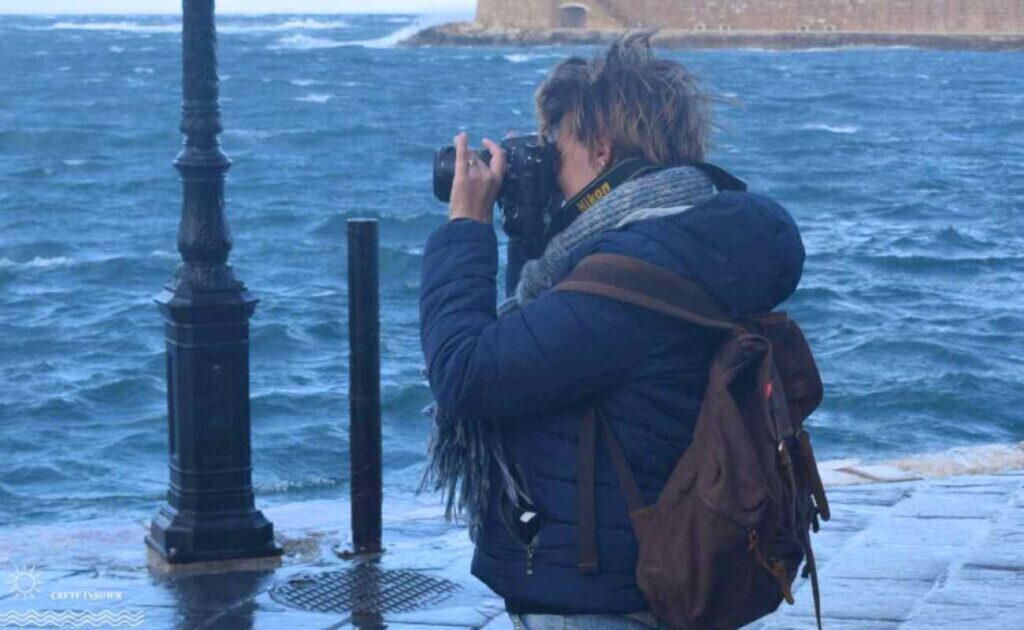
If you have the right equipment, you can take advantage of the clear atmosphere that rain leaves behind to shoot the most spectacular pictures of the Cretan landscape. In a nutshell, there’s a lot to do in Crete when it rains; these are some of my favorites.

Visit an Old Town
There are beautiful old towns and abandoned villages that you shouldn’t miss during your trip to Crete. A rainy, windy, or cloudy day can be the perfect excuse to leave the beach bag behind and venture along the alleys of these picturesque places.
Chania Old Town is located right by the sea and is a beautiful place to walk on a cloudy day. When the weather is rainy, and the northern winds hit the town, you can take dramatic pictures of the lighthouse from the pot of Firkas Fortress.


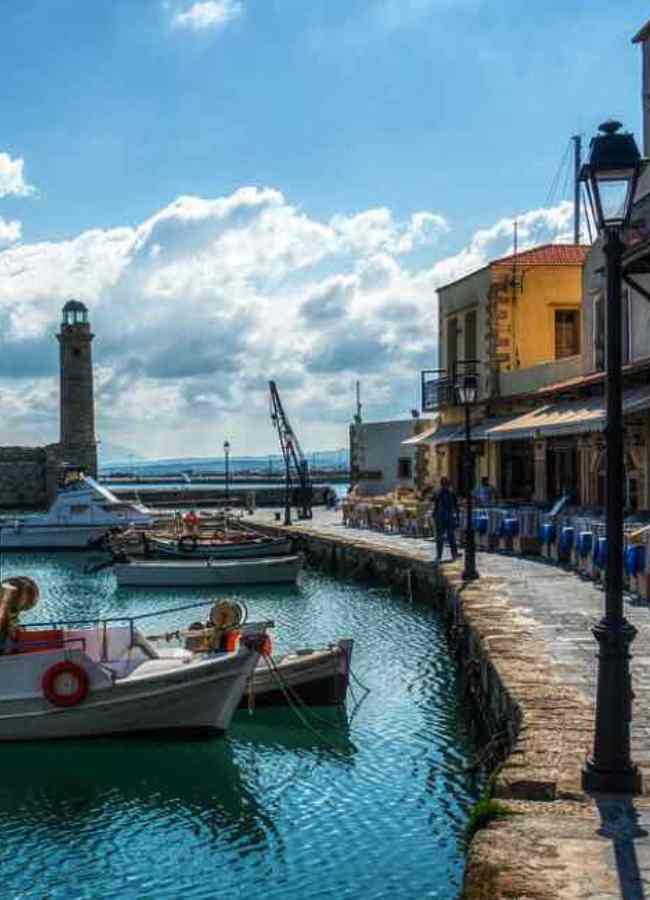
The old town of Rethymnon is another gorgeous place to visit on a rainy day. Rethymnon has a fairly central position on the island, so it’s easy to reach from any other city in Crete where you might be staying.
You can walk along the little Venetian port, explore the city skyline from the Fortezza, or enjoy a cup of hot chocolate and taste delicious sweets, such as loukoumades or freshly baked bougatsa. You can visit Rethymnon’s museums, such as the Archaeological Museum of Rethymnon and the Museum of Contemporary Art of Crete.

Dream about the Sea in CretAquarium
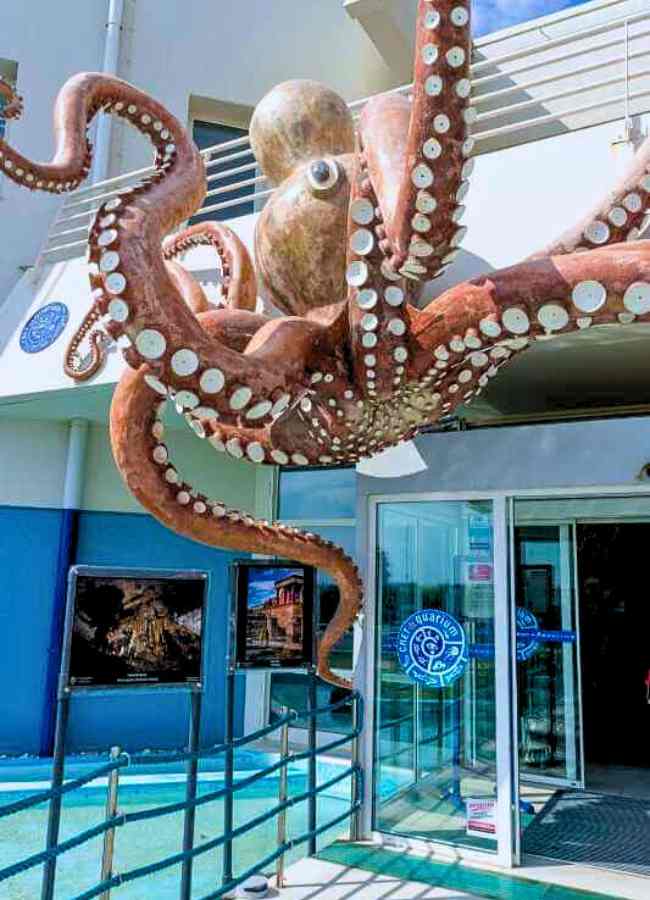
If you’re staying in Heraklion, the local aquarium is one of the best places to visit on a rainy day. CretAquarium is just a few minutes from the city center and is a perfect refuge for a rainy day, especially if you visit with the family. The aquarium is fun and entertaining for everyone. The venue allows you to have a close-up look at the marine world of the Mediterranean.
You can marvel at octopuses, jellyfish, seahorses, and more. CretAquarium offers a unique chance to learn about the underwater Cretan scenes.
>>> Click here to learn more and book a ticket.
Explore a Cretan Monastery
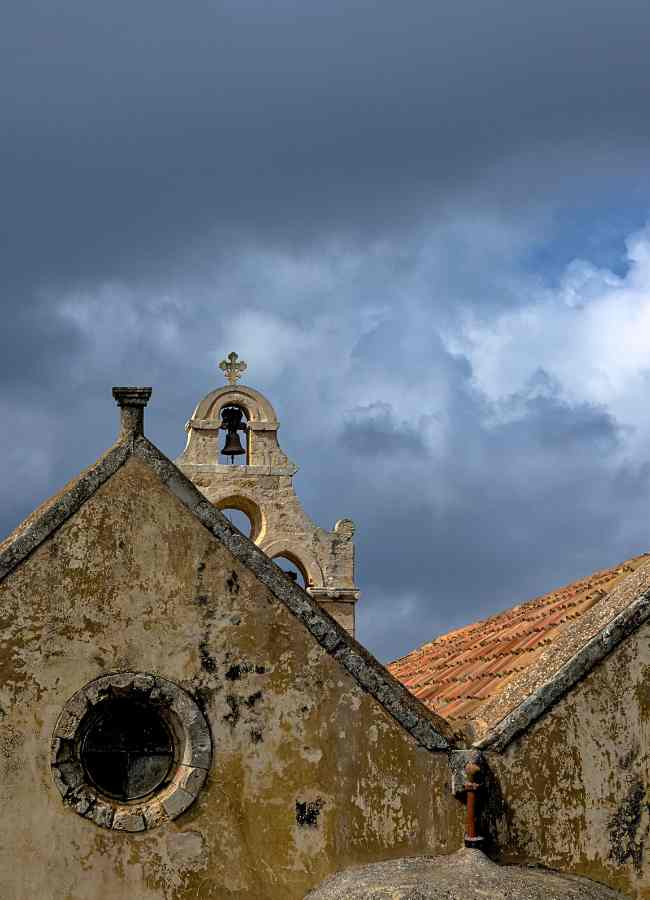
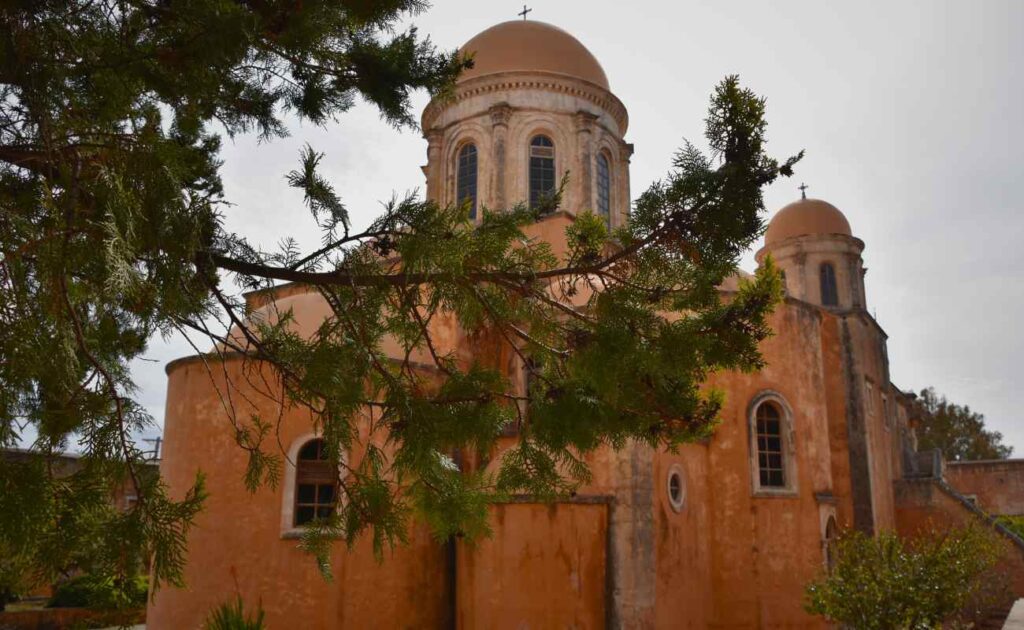
You can visit so many churches and monasteries in Crete that you might be unable to choose which one to explore. The two most famous monasteries are in the Rethymnon region and are worth visiting. One of them is the beautiful Holy Monastery of Arkadi, known for its tragic history, which, in a way, opened the road to Crete’s freedom during the long Turkish rule of the island.
Preveli Monastery is closer to the Rethymnon’s southern coast. Following the tradition of local monasteries, Preveli Monastery played a key role in the island’s history, especially during World War II. The monastery is, in fact, a complex of two monastic buildings, one of which was abandoned long ago.

The natural landscape surrounding Preveli includes fantastic gorges and a river that flows to the beach, surrounded by the island’s second-important palm grove.
Suppose you’re staying in other regions of Crete and don’t feel like driving to Rethymnon on a rainy day. In that case, you can also discover gorgeous monasteries, some of them with interesting museums you can visit.
If you’re keen on wine and spending some days in Lasithi, East Crete, check out the spectacular Toplou Monastery. Once you’ve checked out the small church, the courtyard, and the war museum, head to the winery to taste some of the best Cretan labels and their delicious extra virgin olive oil.
You can do the same if you’re staying in Chania. The Akrotiri Peninsula is home to Agia Triada, another monastery known for its wine production, Gouverneto Monastery, and the abandoned Katholiko.
If you’re staying close to Elafonisi, discover the beautiful Chrisoskalitissa Monastery, which offers unique views of the Libyan Sea.
Go Wine Tasting in Crete
I’ve written so many articles about Cretan wine (both for this blog and elsewhere) that I’ve lost count already. The truth is that once you get to know the wines of Crete, you are bound to fall in love with the aromas of the native wines.
Nothing is more enriching than learning about Crete’s wines in a local winery! There are dozens over the island, and most are open to the public. You can join an organized tour or knock on a winery door to taste their best labels.
If it’s raining heavily, you might have to skip visiting the vineyards, but you will certainly enjoy the tasting part and learn a lot about the local diet and the best food pairings.

Discover Crete’s Top Olive Oil
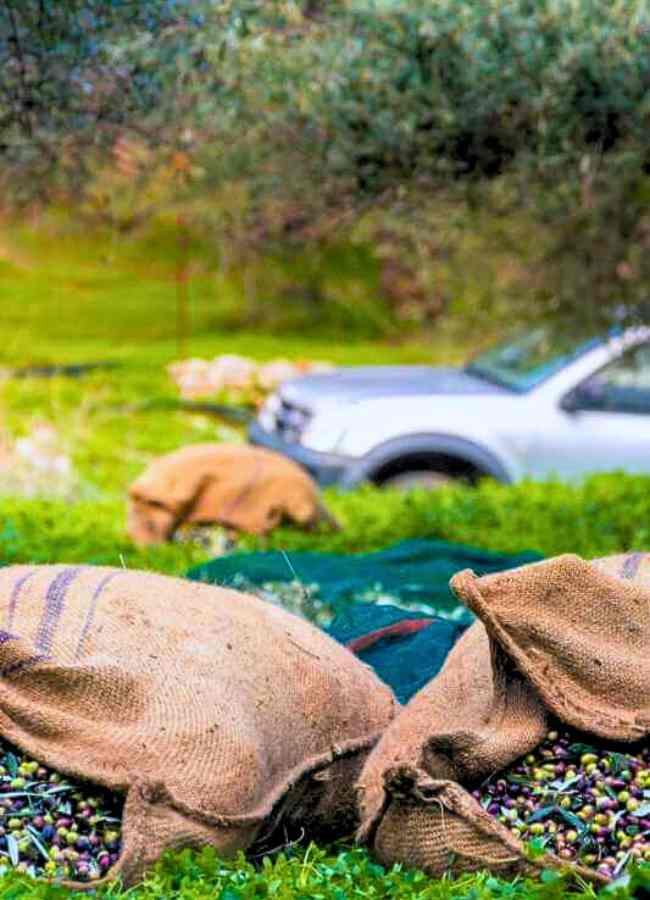
Olives are one of the island’s most important assets. Thousands of olive trees are scattered all over Crete, making the production of extra virgin olive oil the most important economic activity on the island, along with tourism.
The local olive oil, one of the most prestigious in Greece, is usually fragrant, thick, and even spicy, depending on the olive variety, koroneiki. One of the most interesting things to do in Crete when it rains is to visit one of the old-style olive oil factories to learn about the production and to taste some of the best quality olive oil you’ll ever try.
If you’re staying in Chania, get in your car and drive to Kolymbari, one of the most important areas on Crete for olive oil production. In the area, we visited Biolea, a small factory in Astrikas (Chania). There, we tasted different olive oils and discovered their old stone mill, which is still used to make one of the best olive oils in Greece.
Those staying in Heraklion can take advantage of this great olive oil-tasting tour, which includes visiting an olive mill and food pairing. Check out the Cretan Olive Oil Farm in Elounda. if you’re in Agios Nikolaos. You can also join a cheese-making class or a pottery workshop.
Try Your Skills at Pottery
Pottery has long distinguished the island as far back as the Minoan times. Pottery workshops are in many areas; some offer classes, while others can easily welcome you to try your skills during an informal visit.
Margarites is known as Crete’s pottery village. It’s a small but beautiful settlement a few kilometers from Rethymnon, where many local artisans produce and sell unique crafts. Margarites is a great place to go when it rains in Crete. You can buy souvenirs or join an informal pottery class in the village.
>>> This is an excellent tour for a rainy day. You visit Arkadi Monastery, tour Margarites, and try your hand at a pottery class.


You can also try your luck at the pottery wheel close to Heraklion. The Anopolis Handicraft Park is above Kokkini Chani, a tranquil village in the Municipality of Hersonissos. Here, visitors can learn about the crafts that have shaped the island’s traditions.
A visit to the area guarantees that you will learn about pottery and discover everything about typical Cretan professions, including metal statues, worry beads, leather items, knives, and much more.
While wandering the old town of Chania, visit the family shop Flaktoras Ceramics on Zampeliou Street. The workshop is located in one of the oldest buildings in town. You can visit the beautiful Venetian building and book a ceramic class with them.
Seek Refuge in a Museum
There are so many museums on the island that it’s impossible not to find one you won’t enjoy. Several archaeological museums showcase hundreds of objects found in Crete’s archaeological sites. Check the Archaeological Museum of Heraklion if you plan to visit Knossos Palace.
There are also small and lesser-known museums in Crete. One of my favorite museums is the original Museum of Typography in Chania, which features a collection of machines and other exhibits that mark the evolution of European typography. A special area hosts two exhibitions related to the evolution of typography and the history of writing. Here you can find details to prepare for a visit.
RELATED ARTICLES
– Museums in Heraklion.
– Museums in Rethymnon.
– Museums in Chania.
– Museums in Lasithi.

In the heart of the village of Kritsa, in Lasithi, don’t miss the ethnographic Museum of Kritsotopoula. This museum visually tells the story of brave Rodanthi, the daughter of Kritsa’s priest, who played a key role in many battles against the Turks fought in Crete.
Spending a day in the village of Kritsa, checking the museum, the churches, the local crafts, and sampling local dishes are great things to do in Crete on a rainy day.
Wander the Markets
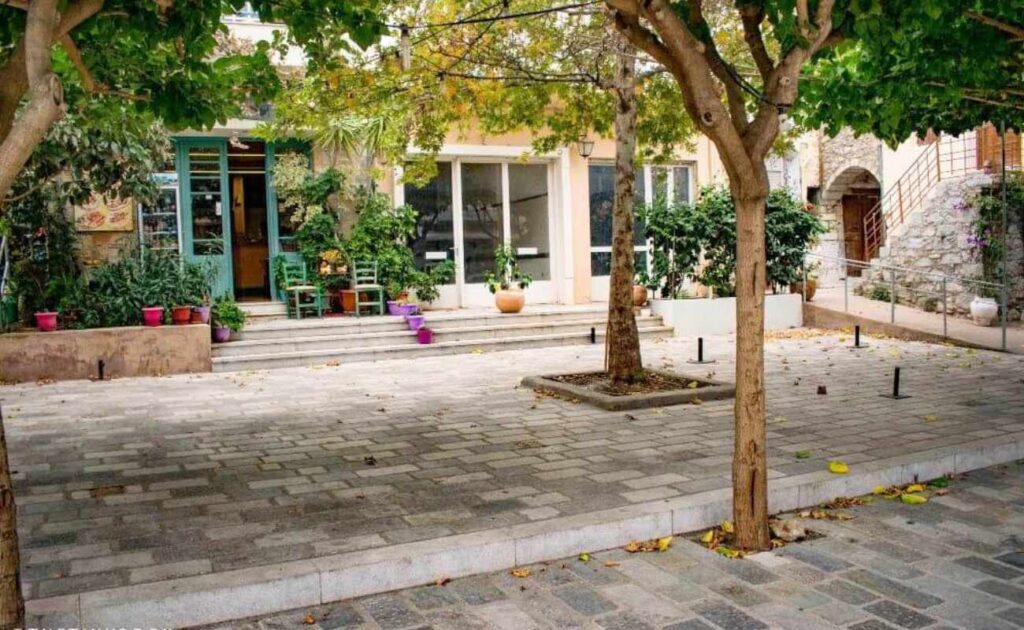
Easily my favorite thing to do in Crete when it rains is to spend time in the Public Market of Chania. The Agora is a covered market, so it’s ideal to seek refuge during a storm.
Inside the market, you can check the traditional produce of the island, including local meat cuts, fish, seasonal vegetables, fruit, nuts, bread, and dozens of pies. Chania’s public market is great to buy souvenirs or taste local food.
The markets in Heraklion are open, and you might get soaked during a heavy shower in town. However, if light rain doesn’t matter, don’t miss a shopping experience in the 1866 Street Market or the Open Air Bazaar, a farmers’ street market open on Thursdays and Saturdays on Itanou Street.

Look for Better Weather!
If you rent a car while in Crete, nothing can stop you from driving to the opposite coast for better weather. It’s not odd to find sunshine in the south when it’s pouring on the northern coast. You’ll just need to cross the mountains and find the place where the weather looks better. And if it doesn’t you’ll certainly have the time of your life driving the bending mountain roads in Crete.
The same applies to the East. The Lasithi region is far less rainy than Chania or Rethymnon, so if you have time to spare and driving is not an issue, you can find better weather in areas such as Vai, Makrigialos, or Ierapetra. Driving times can be long, but who’s in a hurry when on holiday?
Drive Around Forgotten Villages
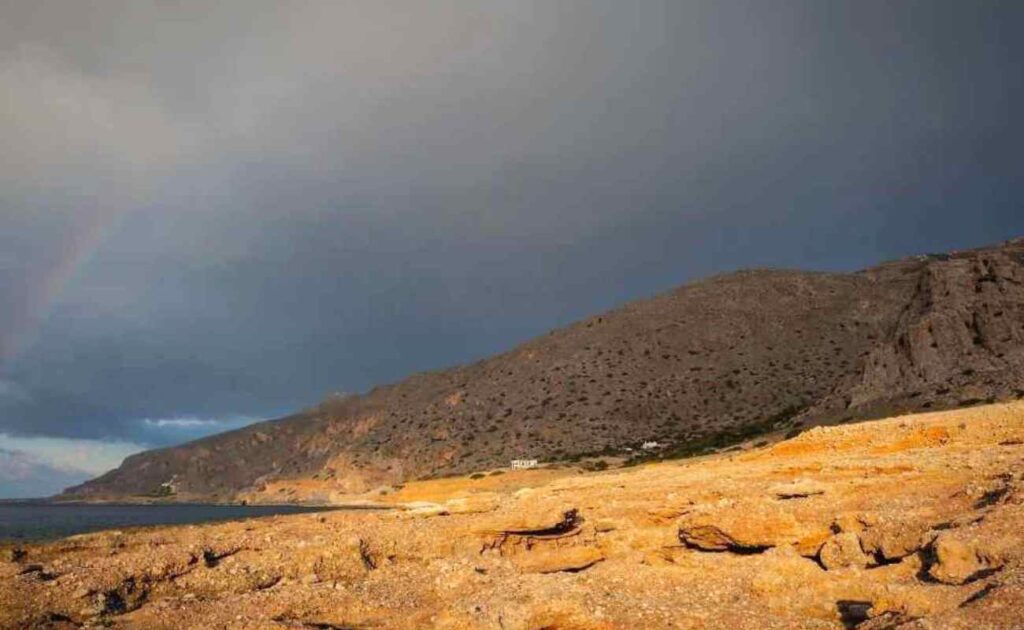
Part of your road trip adventure on a rainy day in Crete can include unthinkable stops in forgotten villages that you otherwise wouldn’t have the opportunity to experience. Everywhere you go, there’s always a beautiful village where time seems to have stopped.
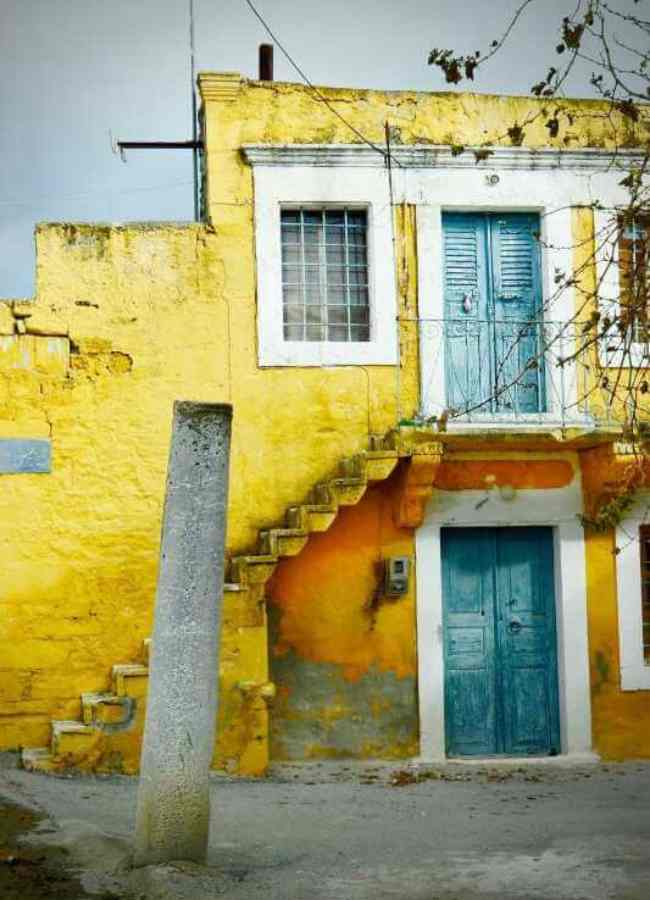
A visit to one, two, or more of these tiny hamlets can be a great way to spend a rainy day in Crete. You can live life as a local does, venture into a kafenio for a cup of Greek coffee, or discover the alleys and the traditional stone houses under a different sky (and with stunning light for photography!).
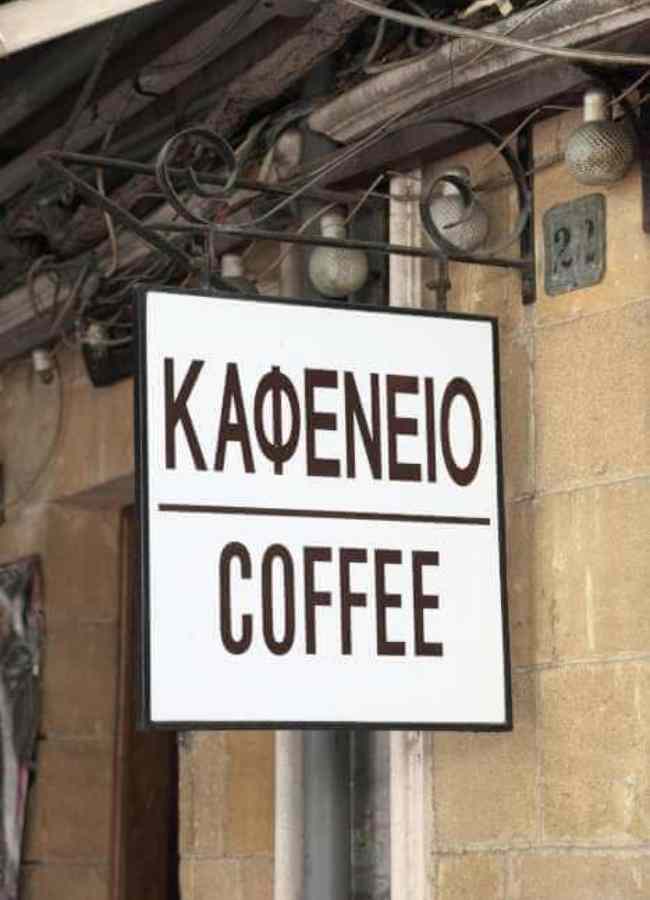
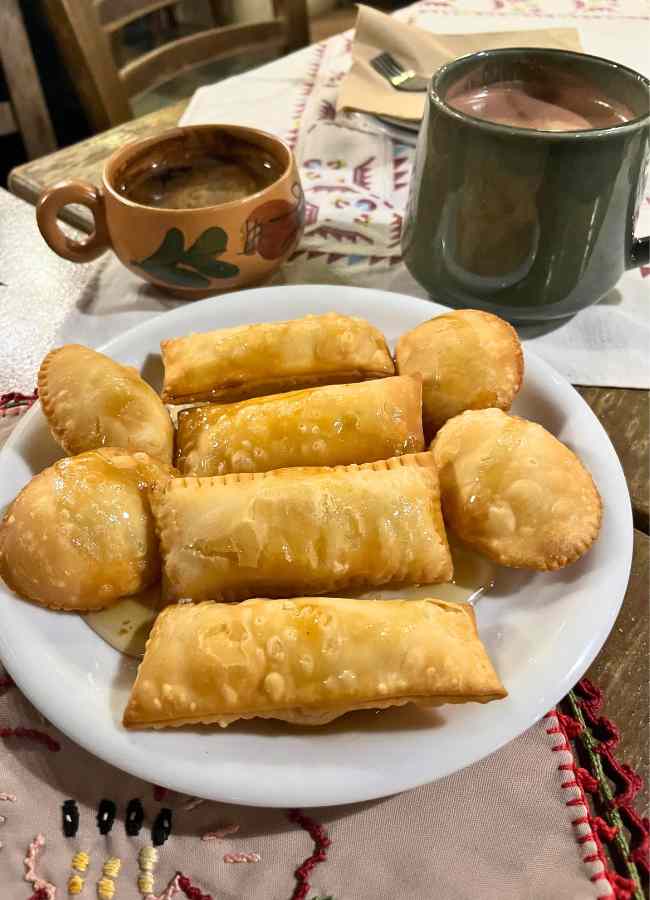
Enjoy a Cup of Hot Cretan Mountain Tea
Malotira, dictamnus, sage, and chamomile are Cretan herbs that locals use to prepare the legendary teas you can taste on Crete. However, if you’re looking for authentic Cretan Mountain Tea, go for a cup of hot malotira with honey known not just for its many healthy properties…
Locals and visitors alike adore its delicate taste and unique flowery aroma. If you’re in the mood to experiment and try different flavors, order a cocktail tea. It can include up to 12 different varieties of local herbs and be flavored with thyme, honey, cinnamon, or a few lemon drops.
It’s perfect for cold weather and super refreshing when served cold in summer. Not a tea type? Don’t worry, Crete is a perfect destination to try Greek coffee too!


Try Long Exposure Photography of Crete’s Dramatic Landscape
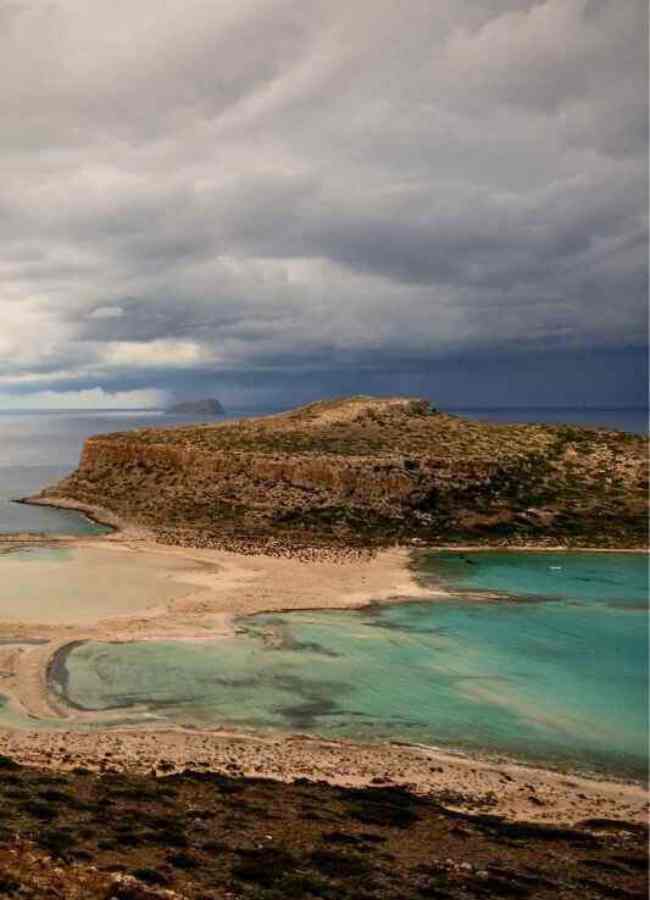
Taking pictures in Crete during rainy days has to be another of my favorite things to do on the island. The dramatic cliffs by the sea and the bare rocks of the mountains combine with the lead-gray skies creating unique compositions.
If you shoot raw or love 10-stop ND filters, you’ll have the time of your life. The skies on Crete are often staggering, with clouds creating bizarre shapes close to the mountains or on top of the sea.
Pack your camera bag with a few goodies, including a tripod and a good set of filters, and drive around in search of the perfect rainy shot of Crete.

What to Pack for Rainy Days in Crete
If you’re heading to Crete after mid-September, you’re likely to encounter a couple of rainy days. Don’t let this put you down; you can still enjoy the best of the island. You’ll only need a few extra things in your luggage to make the most of Crete under the rain.
Travel-size umbrella: If you are looking for an umbrella that doesn’t take up all the space in your bag, go for a small but useful travel-size umbrella. I carry this one during my tours, and it fits perfectly in my small crossbody bag.
Waterproof hat: Those who hate umbrellas will love to pack this breathable, waterproof hat instead. You can throw it inside your bag and forget everything about it until it’s time to wear it.
Light raincoat: Comfortable, light, breathable, and perfect for wet days, this raincoat can double as a cover-up if temperatures go down a bit or if it’s windy. Check out these cheaper, colorful ponchos. If you’re worried about the environment, you don’t need to dispose of them after one use.
Rain cover for your camera and lens: If you plan to shoot some long-exposure pictures on Crete under the rain, why not check out these rain covers for lenses and cameras? Remember to pack everything in a good, waterproof photography backpack.
Backpack rain cover: If you don’t have a waterproof backpack, don’t panic! You can solve this by getting a packable rain cover. Remember to check your backpack capacity to buy the right size.
Hiking boots: Of course, you won’t be hiking in the rain, but you will certainly love to wear shoes that keep your feet dry if rain happens. Check out these waterproof hiking shoes, great for outdoor walks and rainy weather.
While Crete is renowned for its sunny beaches and outdoor attractions, rainy days need not dampen your vacation spirits. The island offers many indoor activities and experiences that showcase its culture, history, and culinary traditions. In Crete, there’s no shortage of ways to make the most of your time when the weather doesn’t cooperate.
These indoor activities provide shelter from the rain and offer unique insights into Cretan life and heritage that you might otherwise miss. So, embrace the occasional rainy day as an opportunity to discover a different side of the island. Remember, the sun will surely return, and you’ll have gained a deeper appreciation for Crete’s diverse aspects. Crete always has something to offer, whether it comes rain or shine!

Are you visiting Crete Soon?
Join my Facebook group for more tips, or plan your Crete itinerary with me!
Don’t Leave Yet… First Pin This Guide for Later
Things to Do in Crete When it Rains



Gabi, the Crete Insider
Hi, I’m Gabi — your go-to local expert in Crete! I’ve been living in Chania, Crete since 2016, and I’ve turned my love for the island into a full-time passion — guiding travelers, writing for travel media, and curating local experiences.
I co-authored DK Eyewitness Top 10 Crete and other guides. I run the blogs The Tiny Book, Greece Planner, and My Cretan Recipe. Through this platform I help travelers design unforgettable trips to Crete.


