Elafonisi Beach Guide — Updated 2026 (Insider Tips, Roads, Parking + What Most Guides Don’t Tell You
Turquoise shallow waters, pink sand dunes, and fragrant cedar trees — dreaming of Elafonisi Beach? You’re not alone. This insider guide has everything you need. Written by a local who actually takes tourists every summer to discover this gem, it discusses the roads to Elafonisi (including the new Topolia bypass for a smoother drive), the hidden crowds you won’t see in photos, and practical tips to make the most of your visit to one of the world’s most famous beaches.
📍 Must-do: Balos Cruise 📍 Knossos Palace 📍 Check rental car rates for Crete 🚗
Elafonisi Beach is legendary — with its shallow turquoise waters, pink-tinged sand, and groves of cedar trees, it’s no wonder it’s often ranked among the best beaches in the world. But visiting it isn’t always as picture-perfect as Instagram makes it seem.

That’s where this guide comes in. Written by a local, it goes beyond the postcards to give you an honest, practical view of what to expect.
You’ll find tips on the roads to Elafonisi, including the new fully paved Topolia bypass, which makes the journey safer and less stressful while still offering stunning mountain views. You’ll learn about the crowds, the occasional windy days that make lounging tricky, and even the surprisingly high prices for a cup of coffee.
Most importantly, you’ll get actionable advice on how to prepare for a day at one of Crete’s most famous beaches — everything from parking to peak times, so you can enjoy the natural beauty without surprises.
Think of this as your complete insider’s guide: the good, the bad, and the beautiful of Elafonisi Beach, straight from someone who knows the place intimately.
A magical drive to Elafonisi Beach

According to my GPS, I live exactly 88.4 km from Elafonisi — about 1 hour and 48 minutes on the road. Clearly, it’s one of my navigator’s favorite destinations too.
Taking photos here is always a highlight of my trips. Elafonisi Beach is the kind of place everyone dreams of visiting in Crete: an Instagram favorite, a top-ranked beach on travel sites, and, yes, truly magical in real life.
The secret of this pink-sand paradise disappeared years ago. Each summer, especially in August, long lines of cars snake along the narrow, sometimes tricky roads that lead to Crete’s southwest coast. Luckily, there’s now a new fully paved Topolia bypass that makes the drive much safer and smoother, especially for those not used to mountain roads — though the old gorge route remains for anyone chasing dramatic views.
Elafonisi Beach — Is this main attraction really a must?

Especially in the last few years, I’ve noticed — with a little bit of sadness — that so many visitors to Crete feel they must go to Elafonisi. There’s this idea that if you don’t tick Elafonisi off your list, you haven’t really seen the island.
People arrive in Crete clutching a kind of “supermarket checklist” that includes just three things:
- Visiting the Archaeological Site of Knossos and wandering the palaces of the Minoans in Heraklion,
- Driving out to Balos Beach and Lagoon with its dramatic viewpoint and turquoise shallow waters,
- Spending a day on the beach at Elafonisi.
And look — all three of these really are worth seeing. Knossos is one of Europe’s most iconic ancient sites, the heart of Minoan civilization with ruins and stories that stretch back millennia. Balos, just a scenic boat ride or rugged drive from Kissamos, offers a breathtaking lagoon experience that many travelers say is unforgettable.
But here’s the thing — and I say it as a local who loves all these places: you don’t need to rush like it’s the end of the world to see them all. Crete is massive, incredibly diverse, and honestly a bit stubborn about being seen slowly.
Too many people rent a car and drive like it’s a race: up before dawn, car keys in hand, and only one thing on the mind — “I’ve gotta see Balos”, “I must see Knossos”, “I have to go to Elafonisi!”.
And what happens? They come back sweaty, stressed, tired — and ironically, they often see almost nothing of what makes Crete truly special.
What many travelers forget is that there are equally beautiful places on this island that don’t require a rush, a big crowd, or an Instagram selfie — places like quiet south coast coves, traditional villages inland, forest‑fringed beaches like Kedrodasos just a short drive from Elafonisi, or the golden sands of Falasarna to the northwest.
My local advice? If your time in Crete is short, don’t panic about missing “the big three”. You’ll enjoy your holiday much more if you slow down, take a breath, and let each place unfold at its own pace. Crete has a way of making everyone come back again — trust me, missing or delaying any one of these attractions simply means you’ll have the perfect reason to return.
😉 CRETE INSIDER TIP
→ Perfect alternatives to Elafonisi (Less crowded, still stunning)
Even though Elafonisi is one of Crete’s most famous beaches, there are several nearby coastal spots that offer just as much natural beauty — but with fewer crowds. If Elafonisi gets too busy or if you want a quieter beach day, consider these local favorites:

Kedrodasos Beach – Wild nature vibes
Just a short 10‑minute drive (plus a short walk) from Elafonisi, Kedrodasos is a peaceful, cedar‑fringed beach with crystal‑clear water and soft white sand. It’s perfect if you don’t want busloads of tourists. You’ll need to walk in from the parking area, so bring shade and water with you. The solitude is worth it.

Aspri Limni – The “White Lake”
A bit off the beaten track near Chrysoskalitissa, Aspri Limni is a tiny, almost secret beach of white sand and shallow water. It’s rarely crowded even in summer, giving you a quiet little slice of paradise just minutes from Elafonisi.
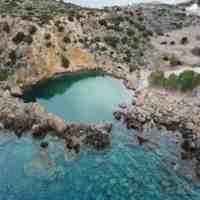
Voulolimni – Nature’s calm pool
Situated between Elafonisi and Chrysoskalitissa, Voulolimni isn’t a traditional beach with sand — it’s more like a natural seawater pool. The water is warm and calm, perfect for swimming or floating on a calm, clear day.
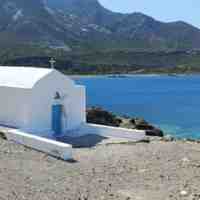
Stomio Beach – Rugged & untamed
For a wilder feel, Stomio offers dramatic cliffs, few visitors, and big blue waves. It’s more rugged than the others, but the views are striking and you’ll often have the place to yourself.

Falasarna Beach – Big, beautiful, worth the drive
Falasarna is one of western Crete’s best beaches — broad sandy shores, amazing sunsets, and plenty of space to stretch out. It’s more developed than the others, with tavernas and watersports if you want them.
Everything about Elafonisi
Where is Elafonisi?
Elafonisi Beach lies on the southwestern tip of Crete, in the region of Chania, nestled between rugged mountains and the the Libyan Sea. It’s about 75 km from Chania, roughly a 90–120 minute drive depending on traffic and which route you take, and around 210 km from Heraklion — a distance that makes a day trip from the east side of the island long and tiring, even if you’re not behind the wheel.
Unlike most beaches that are simple strips of sand, Elafonisi is part of a protected natural environment (Natura 2000) where a small islet sits just off the coast, connected to the mainland by a shallow sandbar and lagoon.
Who goes to Elafonisi?
Elafonisi draws a great mix of visitors because it offers something for nearly everyone:
- Families with children love it for its shallow, warm, crystal‑clear waters that stretch out gently — perfect for kids to splash safely.
- Couples and honeymooners find the landscape romantically breathtaking — especially at sunrise and sunset, when the light paints the lagoon and dunes with magical hues.
- Backpackers and nature lovers often stay nearby or explore the quieter coves and dunes around Elafonisi, including Kedrodasos Beach, which is another pristine shore with juniper trees and tranquil waters. Many choose to spend the night here so they can enjoy the beach before the day‑trippers arrive.
There’s a simple truth: Elafonisi isn’t just a pretty photo spot — it’s a natural landscape with layers of beauty, from the colour of the sea to the shape of the lagoon and the soft grains beneath your feet.
The beach: Turquoise water, sand & lagoon
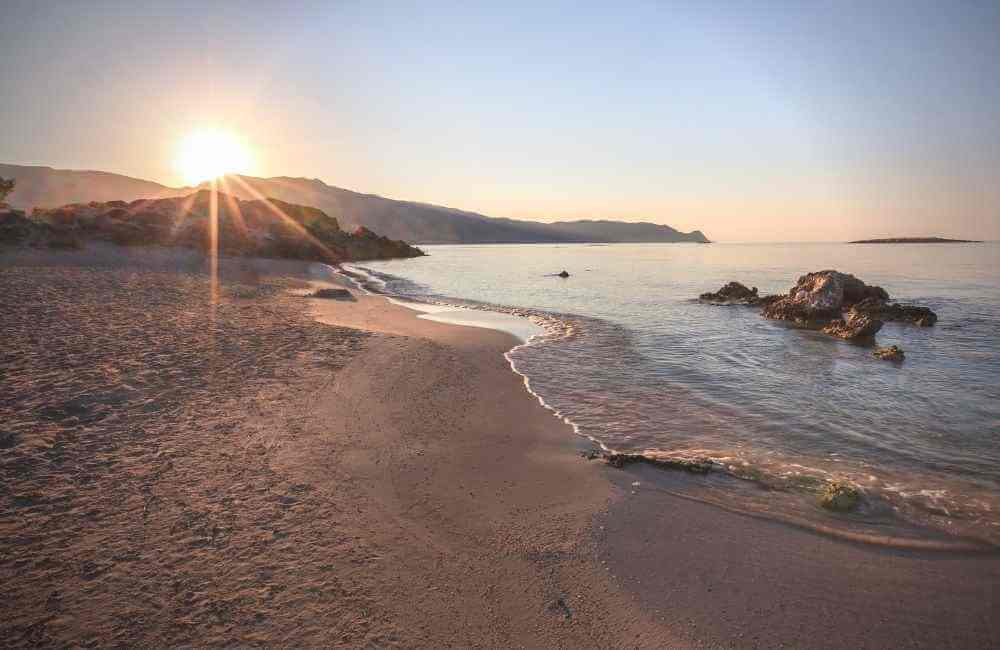
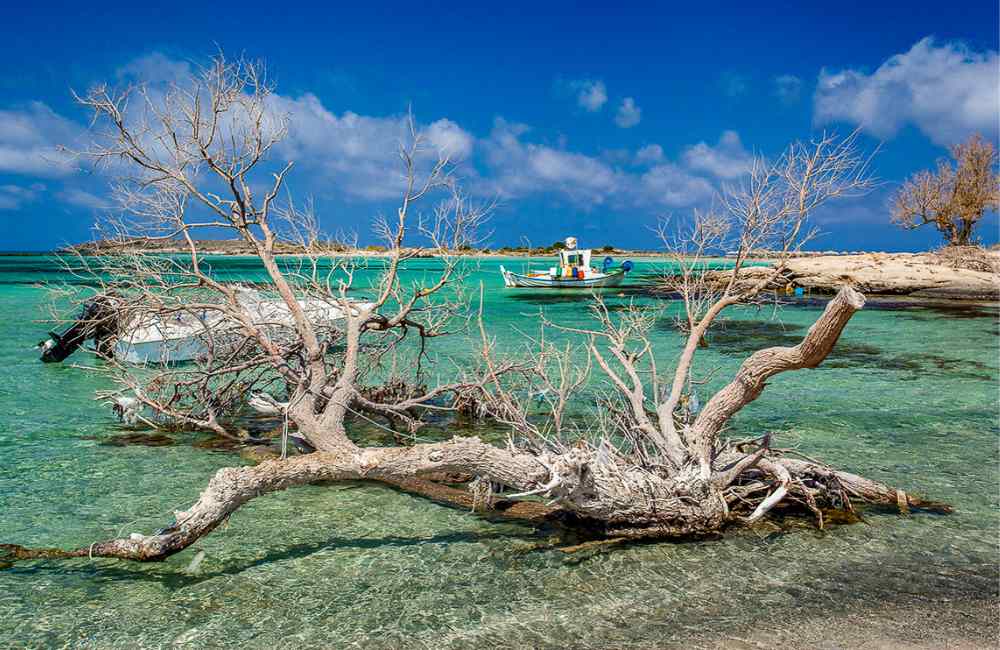
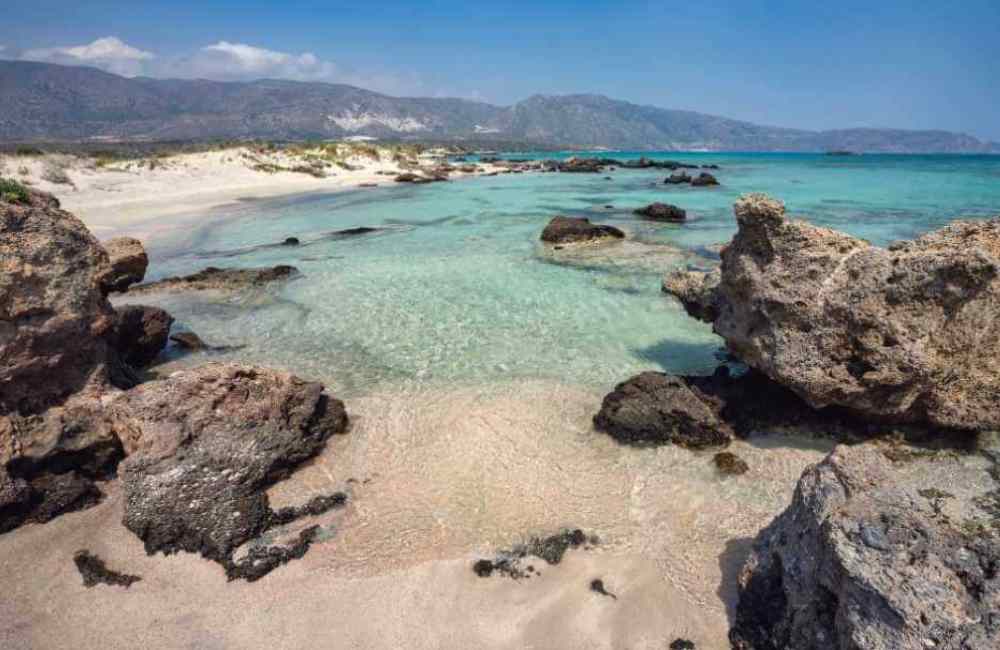
Elafonisi isn’t a typical beach — it’s a long sandy shore that connects Crete to the tiny Elafonisi islet through a shallow lagoon that often looks like a natural pool.
The water here changes from gentle greenish‑blue near the shore to bright turquoise in the shallows, and then to deeper blues farther out. In many spots the lagoon water never rises above knee height, making it safe and warm for long hours of wading, playing, or photography.
Families especially appreciate this part — the calm, shallow sea feels like a natural infinity pool, and kids can wander far out without the sudden drop‑offs you find at many Mediterranean beaches.
Geography & nature
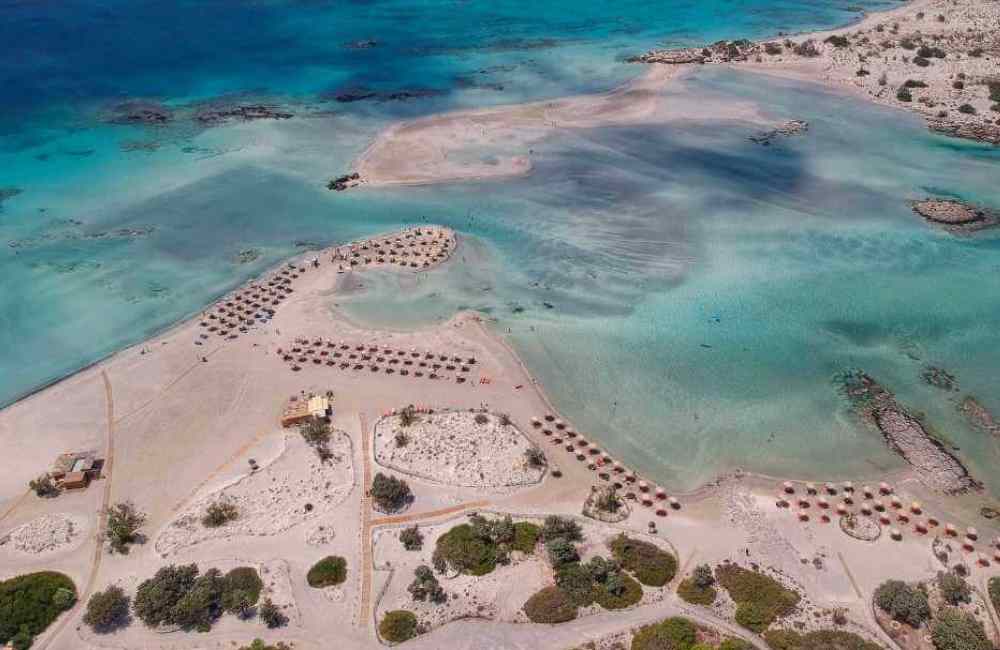
Elafonisi Beach is more than sand and sea — it’s a living, changing landscape. The islet itself sits off the southwest shore and is part of the Natura 2000 network of protected areas — recognised for its rare flora and wildlife.
The stretch of sand that links the islet to the mainland rises just above the water, and at low tide you can walk all the way across with nothing but ankle‑deep water. At high tide the lagoon may deepen slightly, but still stays safe and warm.
Depending on the season, the lagoon can shift and reshape slightly — at times revealing wider sandbars, and at others staying gently submerged for metres under you.
Getting to the beach
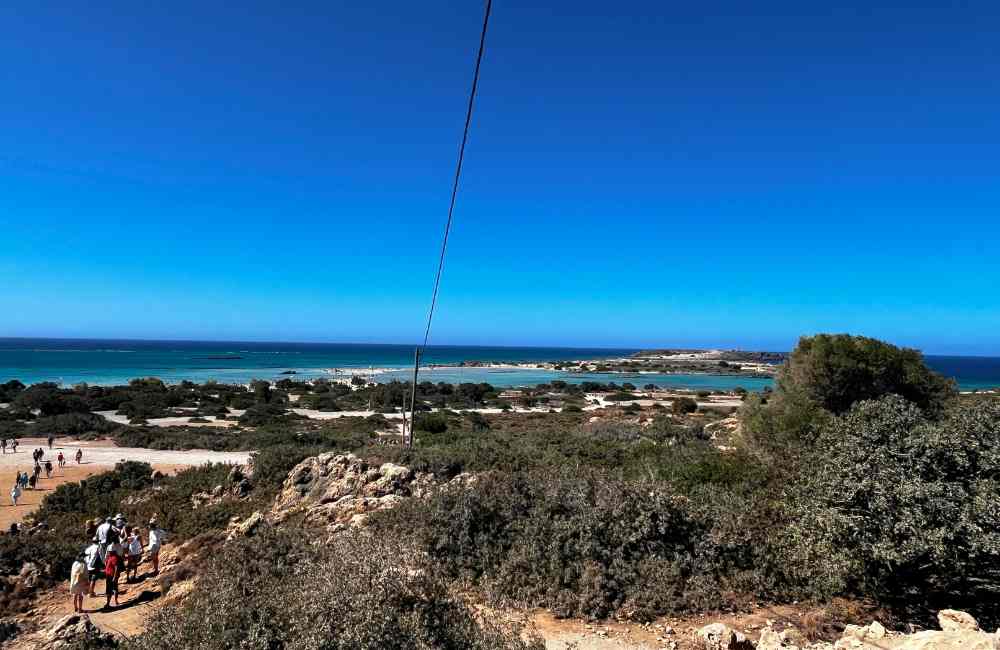
Today you won’t drive right onto the sand — cars and buses stop at the designated parking zone (paid), and from there it’s a 5–10 minute walk along a well‑maintained path to the main beach.
During peak months it’s very crowded by midday, so aim to arrive early in the morning for a quieter experience. Later in the afternoon, as day‑trippers leave, the atmosphere instantly becomes more peaceful — and this is often the best time for photography and relaxing in the quieter corners of the shore.
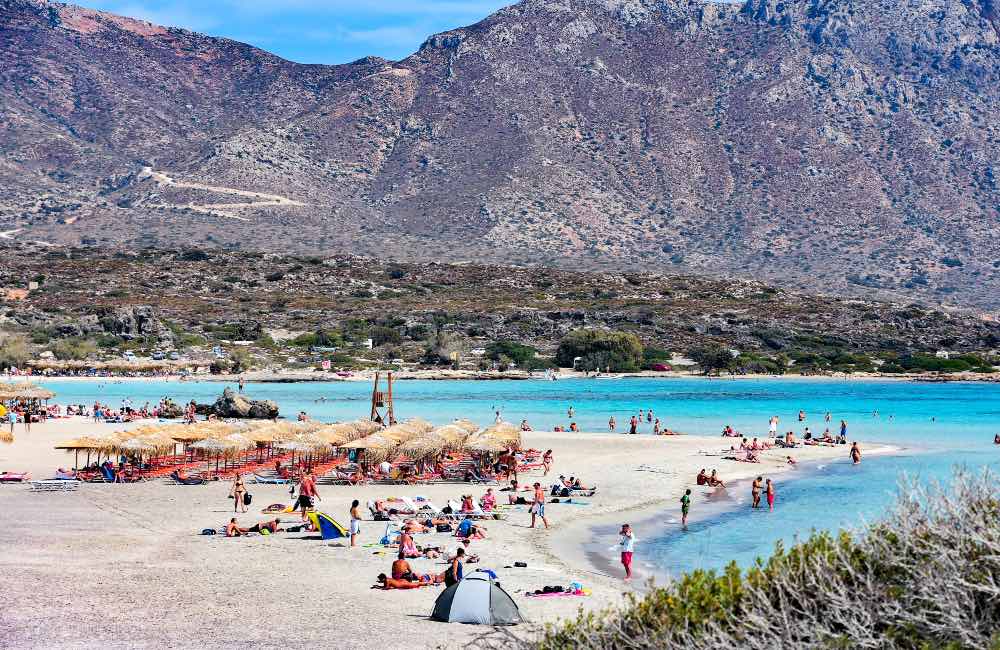
Official umbrellas and sunbeds are set up near the main lagoon zone, but many visitors wander beyond those areas in search of shade, solitude, or simply a better view.
The islet – Nature reserve & hidden corners
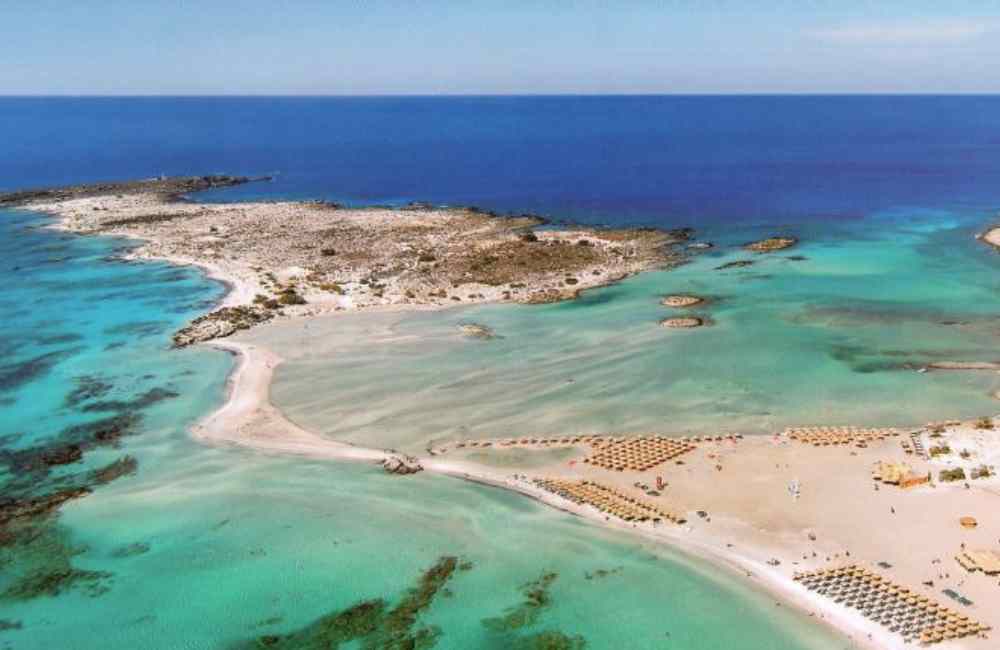
Walk across the lagoon and you’ll reach the small Elafonisi islet, which is a protected reserve home to unique plant species and delicate ecosystems that you won’t find easily elsewhere.
Here, amid dunes and junipers, you’ll find hidden coves and emerald‑green water that are far quieter than the main beach. If solitude matters to you, this side of Elafonisi is a magical place to spread your towel or snorkel among rocks and smaller pockets of sea life.
Camping on the islet is technically forbidden because it’s a protected area, and visitors are reminded not to disturb the fragile flora, including sand lilies and cedar‑like shrubs that take decades to grow.
Best time to visit Elafonisi

If you want quieter days, warmer water, and fewer crowds, the best months to go are late May–early June or September–early October. The lagoon is often at its most calm and welcoming, and the beach is more peaceful before and after the peak tourist rush.
Sunrise and sunset are both extraordinary here — sunrise bathing the lagoon in soft gold and sunset lighting up the western horizon with fiery colours over the sea. These times bring a sense of tranquillity that most day‑visitors never experience.
Rare wildlife & nature protection
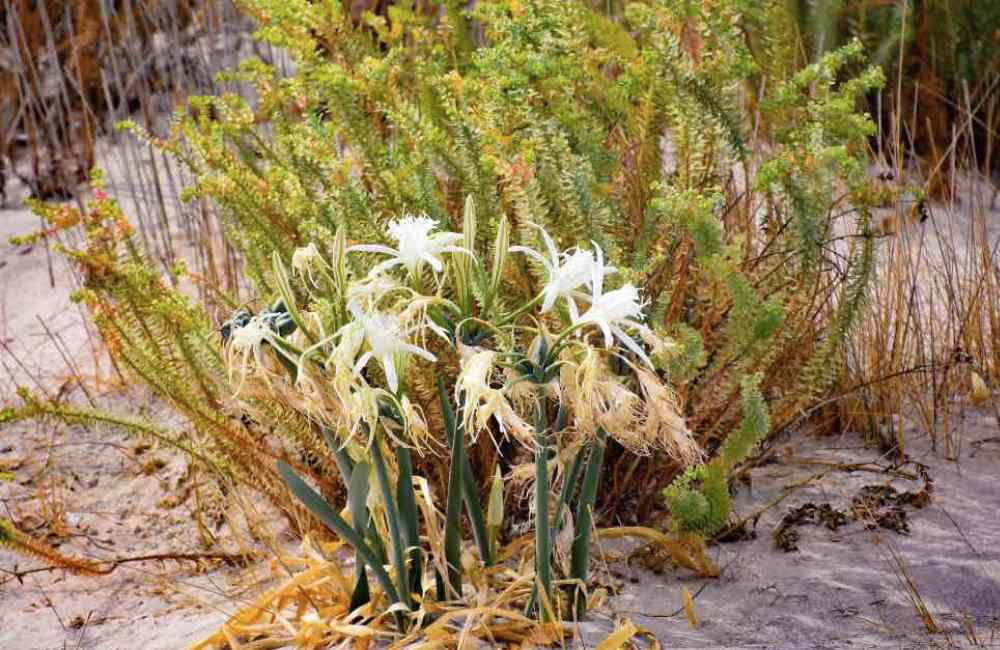
Elafonisi isn’t just sand and sea — it’s an important ecological haven.
- The lagoon and dunes support rare native plants found only in select Mediterranean pockets. Elafonisi is home to over 100 rare plants, including Sea daffodils — delicate white flowers often seen along the dunes and Androcymbium rechingeri — a rare winter flower found only in Crete and Libya
- The area hosts migratory birds, making it a great spot for birdwatching.
- Loggerhead sea turtles (Caretta‑caretta) sometimes nest along quieter stretches of sand, and local conservation teams protect these nesting sites during the season.

Because of this, the beach is strictly regulated:
- Taking sand, shells, plants, or animals is forbidden
- Camping on the dunes is not permitted
- Vehicles are not allowed on the beach
- Littering is prohibited
- Use beach umbrellas (nobody respects this).
Violations carry fines, and locals and conservationists actively monitor the area. Despite these regulations, some visitors ignore them — but the true beauty of Elafonisi comes from experiencing it untouched and wild.
Respecting these rules ensures that Elafonisi remains one of the most extraordinary beaches in the world, where the sand, water, and wildlife coexist in perfect harmony.
Crowds & pink sand at Elafonisi
The crowds
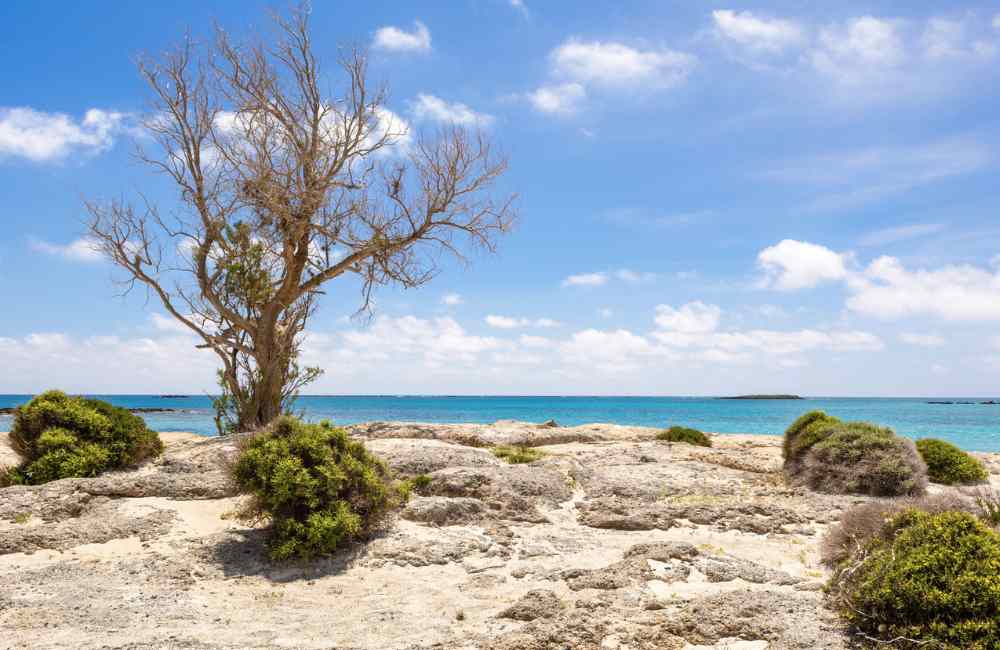
Elafonisi’s fame means crowds are here to stay, especially in July and August. Long lines of cars, full parking lots, and busy beaches are part of the experience. Even so, if you arrive before 9:30 a.m., you can enjoy a more peaceful visit, walking along the shallow lagoon before the day-trippers arrive.
Visiting outside peak season — May, early June, September, and October — makes a huge difference. The water is warm, the sand is quiet, and you can often have entire stretches of the beach to yourself. Sunrise and late afternoon are especially magical, with golden light reflecting off the lagoon and dunes.
Pink sand — A realistic look

Let’s set the record straight: Elafonisi sand is not fully pink. Its unique color comes from millions of microscopic marine organisms called Benthic Foraminifera, whose shells mix with the white sand to give subtle pink highlights, usually near the waterline or lagoon edges.
Photos you see online showing intense pink beaches are often edited or taken at the perfect moment of tide, light, and wind. In reality, the water’s turquoise shades are often even more breathtaking than the sand.
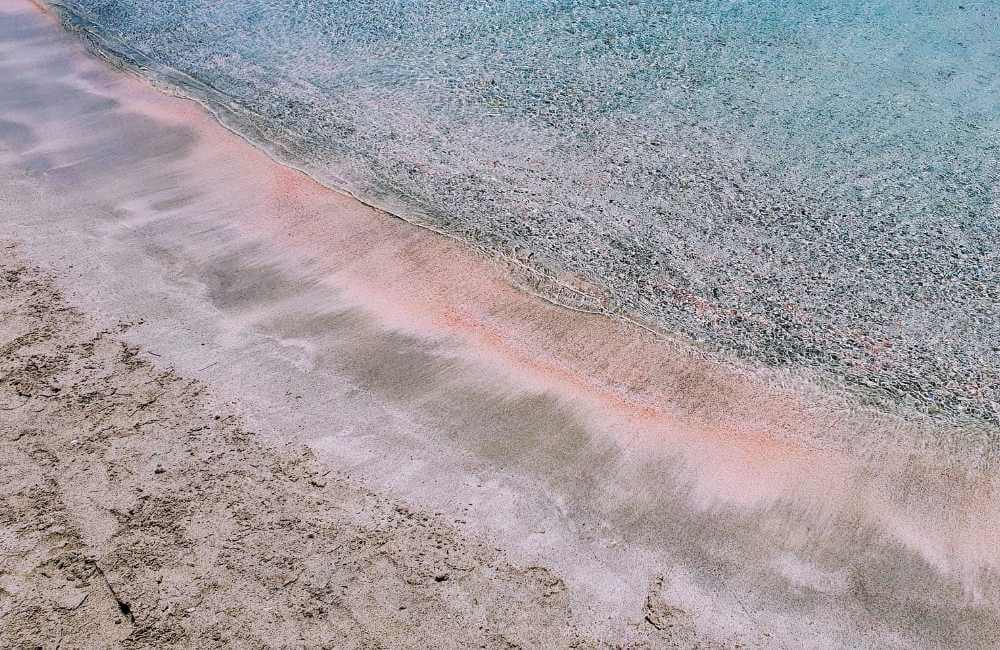
Other beaches in western Crete, such as Balos, Falasarna, and sometimes Stavros, also show pink tones under the right conditions. So, if your goal is “true pink sand,” the lagoon area of Elafonisi is your best bet.
Facilities and things to do on Elafonisi Beach, Crete
Relax or get active

Elafonisi Beach is the perfect spot for doing absolutely nothing — just lying on the sand and soaking up the sun. But if lounging isn’t your style, there are a few ways to get active:
- Snorkeling: The crystal-clear shallow waters are ideal for spotting small fish and underwater rock formations, especially near the islet.
- Kite surfing & wind sports: When strong winds hit the lagoon, it becomes a playground for kite surfers and wind sport enthusiasts.
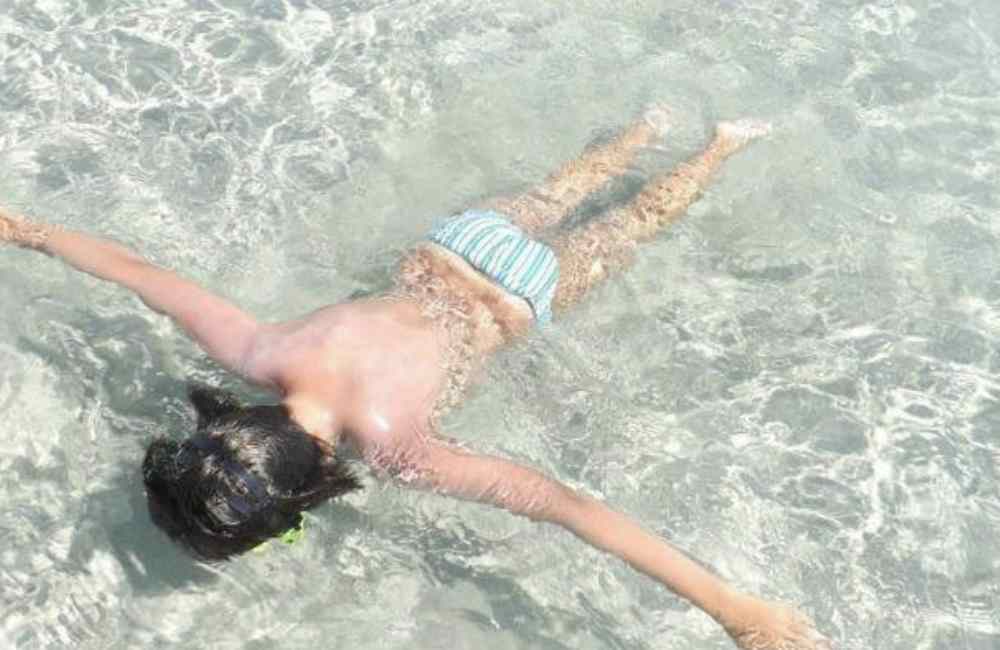
For those looking to explore more beaches in West Crete, there are many hidden gems just a short drive away, such as Kedrodasos, Falasarna, and Aspri Limni.
Where to eat

Food options directly at Elafonisi Beach are limited:
- One traditional taverna near the parking entrance.
- A few beach bars/snack bars offering drinks, ice cream, pies, and sandwiches.
Prices, especially in August, can be significantly higher than average Greek standards, particularly for cold drinks. For a more relaxed day, it’s wise to pack your own lunch, fresh fruit, and plenty of water. There are trash bins throughout the beach, so please dispose of your waste responsibly.
For last-minute supplies, small markets along the main road to Elafonisi sell water, snacks, bread, and basic essentials. New markets and cafeterias have recently opened in the new parking space in Elafonisi.
Beach amenities

- Umbrellas and sunbeds: Available for €20-25 depending on the season and time of day.
- Toilets: Accessible for a small fee, cleanest early in the morning. Tilets can be fond near the beach and at the parking lot.
- Changing cabins: Available all over the beach and free.
Arriving early during peak season is key if you want a shaded spot without long walks.
Essentials to pack
- Sun protection: Hats, high SPF sunscreen, and a cover-up or T-shirt.
- Hydration: Bring plenty of fresh water.
- Beach gear: Towels, sunglasses, and optional beach toys.
If you forget anything, local markets at the parking area have most necessities. For families, be extra cautious with kids in the sun and shallow waters.
Parking at Elafonisi – What you need to know (2026 Update)

Parking at Elafonisi has changed in recent years, and no matter how long you’ve visited before, this might be different now. You cannot drive your car all the way down to the sand anymore — cars must stop in designated parking areas before the beach to protect the fragile landscape.
This means a short walk (about 8–12 minutes) from your car down to the shore along a flat, well‑maintained path.
The main parking options are Elafonisi Mega Parking (the largest and closest to the beach entrance) and a couple of nearby lots — all with a standard fee of around €5 per day.
Many visitors now report arriving early (before 9 a.m.) to secure a spot closest to the beach, because spaces fill quickly in peak summer months — and everyone wants to spend less time walking and more time swimming.
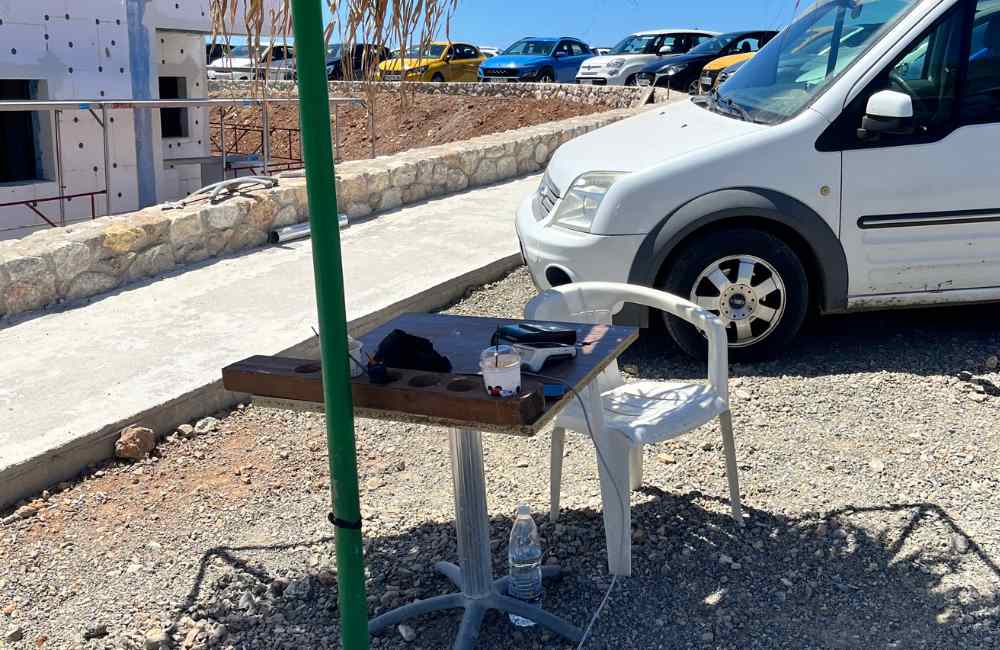
One thing to be aware of: some people offering “parking help” along the access road have been known to steer drivers into private lots — and authorities have even taken action against aggressive touting in recent seasons.
My best tip? Ignore anyone waving you into the first lot you see and follow the road until the official parking areas marked near the beach entrance — especially Elafonisi Mega Parking, which is currently the most convenient choice.
🚗 Elafonisi parking strategy: How to beat the crowds
- Arrive early: Aim for before 9 a.m., especially in July and August. The closest spaces fill up fast.
- Head straight to the official lots: Your best bet is Elafonisi Mega Parking, right at the main beach entrance. Avoid informal parking touts along the road.
- Expect a short walk: From the lot to the beach, it’s a 8–12 minute walk on a flat, sandy path. This protects the fragile dune ecosystem.
- Budget for parking: Standard fee is around €5/day — cash is usually fine.
- Late arrival plan: If you arrive after 10 a.m., be ready to park farther back and enjoy a longer walk — bring water, a hat, and comfortable shoes.
🎯 LOCALS KNOW BETTER
→ Combine early parking with a sunrise visit to enjoy the beach nearly empty and capture the perfect photos without the crowds.
Spending the night: Hotels & accommodation

If you’re traveling from Rethymno (132 km) or Heraklion (211 km), staying overnight near Elafonisi is highly recommended to fully enjoy the beach and avoid the long drive back.
Recommended stays
- Elafonisi Resort Kalomirakis Family:
- Right at the entrance of the beach.
- Quiet, with bungalows among olive and lemon groves.
- Air conditioning, kitchenette, and optional breakfast.
- Ideal for families with children.
- Lafo Rooms:
- Located a few hundred meters from the beach.
- With proovate bungalows and stunning sea viewst.
- Often fully booked early in the season.
Pro tip: Keep your eyes open for wildlife, including deer crossing the village roads. For more accommodation options, check out these curated vacation homes around Elafonisi.
Best time to visit
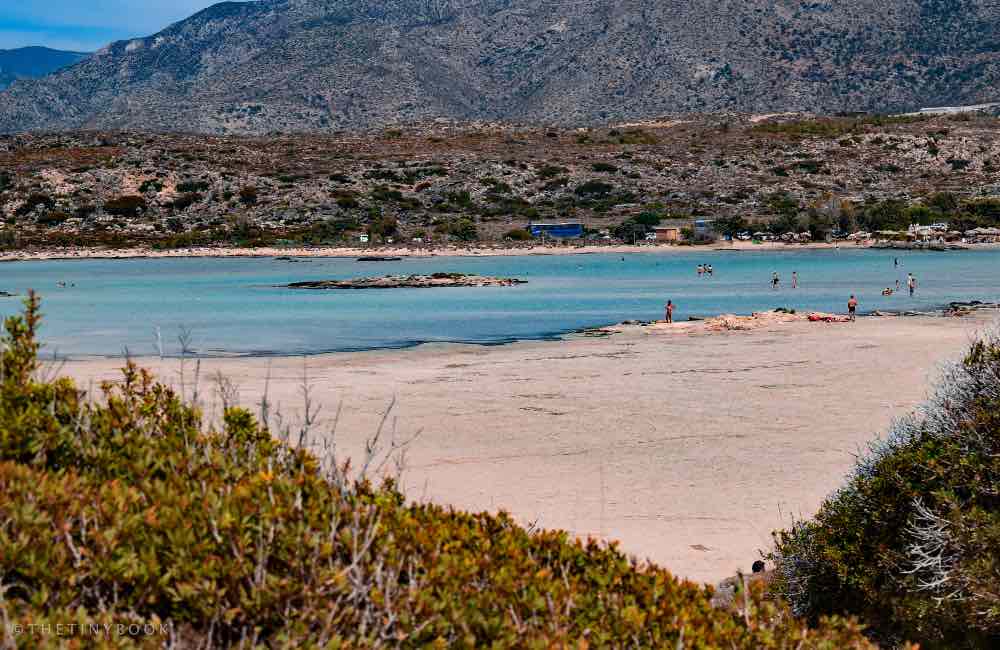
- Late May to early October: Warm temperatures and suitable for swimming.
- July & August: Extremely busy and hot; prepare for crowds.
- Early May / September / October: Ideal for quieter visits, long walks, and clear waters.
Visiting in the off-season
Elafonisi in winter offers peace and solitude, perfect for reading, photography, or quiet walks on the beach.
Important notes for winter visits:
- Mountain roads can be icy; drive with caution.
- Accommodation may be limited; Kissamos is a reliable fallback.
- Floods are possible, so check the weather before heading southwest.
Please take extra care when driving in winter, as temperatures in the mountains drop and ice formations are not rare. Also, accommodation might be close to impossible to find and floods are not uncommon. You might need to drive to Kissamos to spend the night.
Remember that the sun sets earlier in winter, leave with plenty of daylight ahead to drive through the mountains.
Unknown Elafonisi
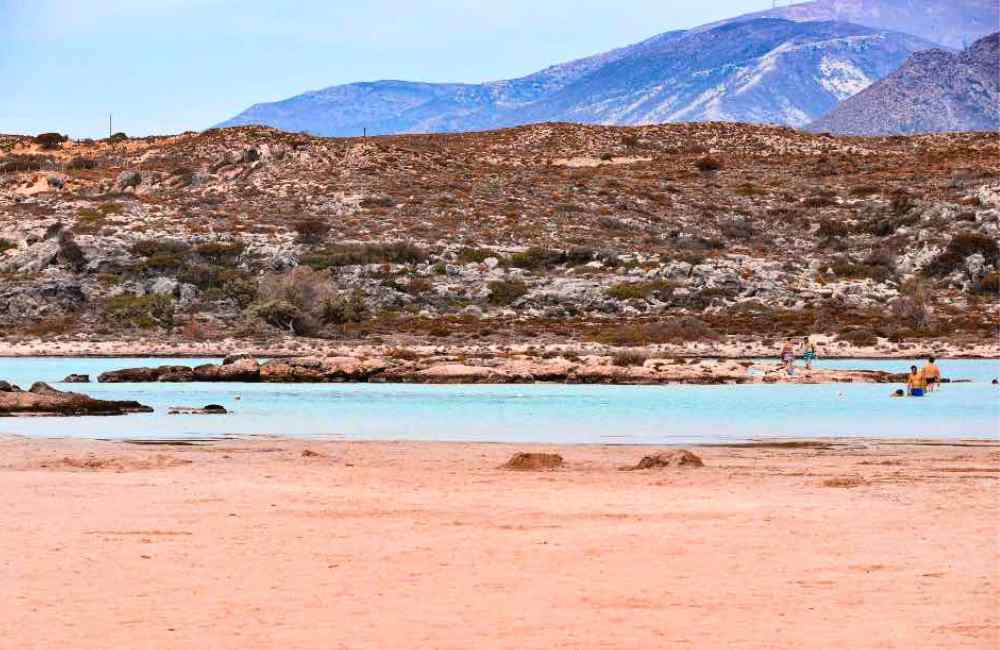
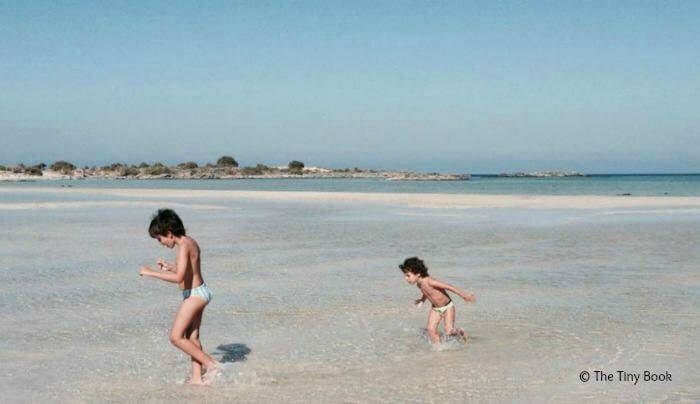
As you can see in this picture, many years ago, the beach was virtually empty. This picture is from Elafonisi being designed as one of the world’s top 25 beaches on TripAdvisor in 2014. It was heavenly back then.

Roads to Elafonisi (Updated 2026)

When visitors ask me about Elafonisi, one of the first things I always talk about is how to get there. For many travelers, the journey is half the adventure — and also half the stress!
Living in the region of Chania has given me the chance to drive to Elafonisi many, many times, in every season and under all kinds of conditions. I’ve taken kids in May and September, friends in July, and even once braved the craziness of an August 15th drive — probably the most crowded day of the year!
In that trip and every other, I’ve seen long queues of cars, impatient drivers, and wide‑eyed tourists wondering which road is the best. Over the years, the roads have also changed, and the big new development — a new bypass around Topolia Gorge — makes the entire experience smoother for many drivers.
😉 RELATED ARTICLE
→ For a complete, turn‑by‑turn breakdown of the best ways to get there, parking tips, and updated navigation advice, you can also check out my dedicated guide here → How to Get to Elafonisi: Tips to Visit by Car, Bus & Private Transfer (+ Info About the New Road!)
The traditional mountain road through Topolia Gorge

For decades, this has been the classic way to reach Elafonisi: a stunning mountain road that climbs out of the north coast near Chania and snakes down toward the southwest.
If you’re departing from Chania, this route usually gets you to Elafonisi in about 1 hour and 15 minutes under normal conditions — but in August it can easily double because of the heavy traffic.
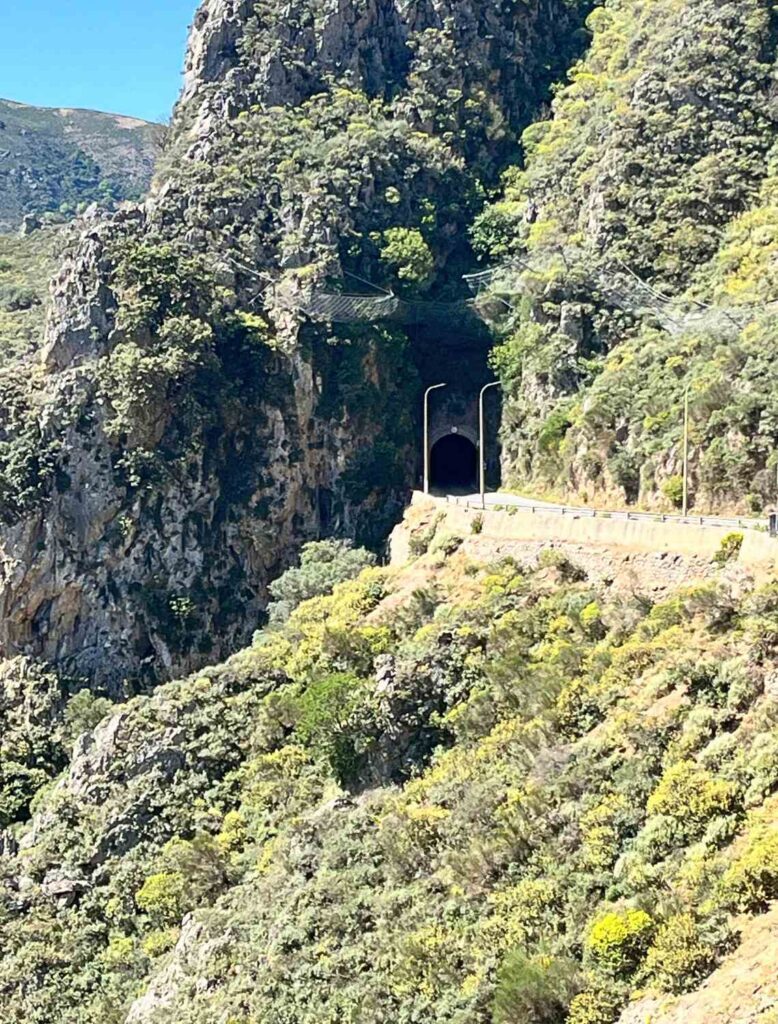
This road has narrow tunnel and a very winding section that makes many casual drivers nervous. That’s where the new bypass changed things (more on that next).
This old gorge road is still open, and I’ll be honest… part of the reason I love Elafonisi is that this drive itself feels like an adventure. The views, the mountains, the orchards and tiny villages along the way — it’s spectacular.
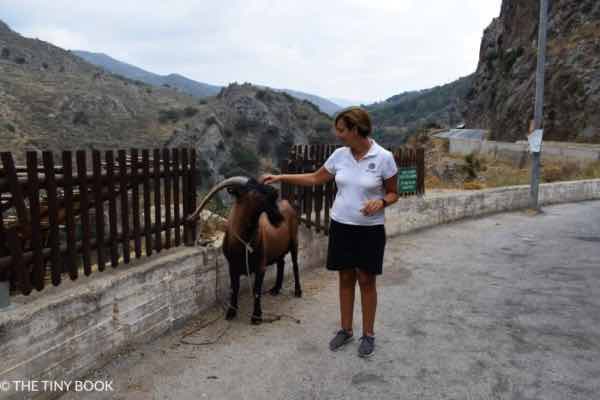
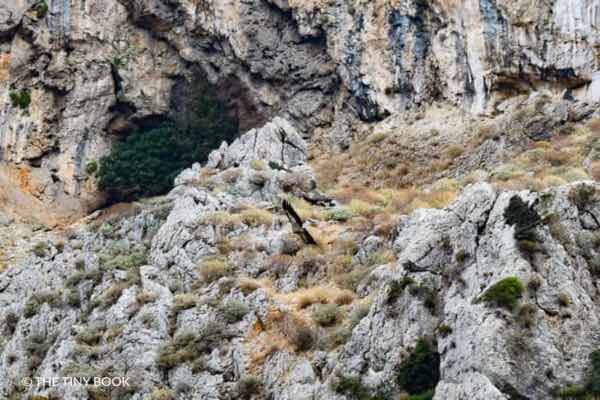
Along the old route through Topolia you’ll see goat herds, vultures circling the crags above, blind hairpin turns and sheer drop‑offs that demand respect.
The road isn’t a freeway — it’s a mountain road. So even without huge crowds, you’ll never be speeding. But it is one of the most beautiful drives in Crete, and many visitors (and local tour buses alike) still choose it for that reason.
🎯 LOCALS KNOW BETTER
→ Topolia: The gorge is home to birds, such as vultures and eagles. The river Tyflos crosses the canyon which is 3 km-long, and it takes about 1.5 to 2 hours to hike. There is water until spring.
According to the legend, the gorge of Topolia hosted fairies and the Minoan goddess Vitromartis.
It was also in Topolia where the legendary Talos would stop and enjoy the music of the fairies.
Travellers who enjoy photography, nature, and dramatic landscapes will find this route memorable. Families with nervous or inexperienced drivers, however, might prefer the smoother bypass option below.
The new road (Topolia bypass) — Safer, smoother, more pleasant
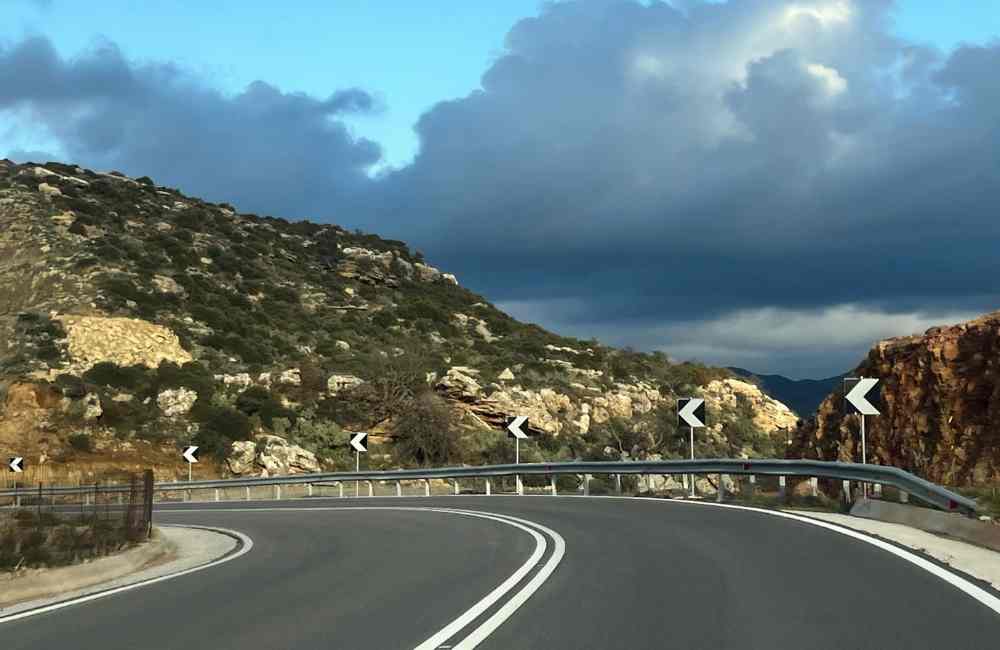
Very recently, a new fully‑paved road was completed that lets you bypass the narrowest and most twisting part of the old Topolia Gorge section. The new route begins near the village of Kaloudiana and gently arcs around the old gorge road, reconnecting closer to Elafonisi with wider lanes and fewer hairpins.
The difference is significant.
This new road avoids the tight tunnel on the old gorge route, is wider and smoother for cars and buses, and of course feels far less stressful — especially for drivers not used to mountain roads
That said, it’s still a mountain road with curves and elevation changes, and Crete’s mountain scenery never disappoints. It simply makes the drive more comfortable and confident — especially in peak season when traffic backs up on the old road through Topolia.
One thing to note: at the moment, many navigation apps (including Google Maps) still try to send drivers along the older gorge road — even though the bypass is now open. When this happens, just follow the road signs marked “Elafonisi New Road” rather than the GPS directions.
In my experience, most visitors will find the new bypass to be the best option for peace of mind and ease — especially those driving themselves.
The coastal road via Sfinari (from Falasarna)

The third way to get to Elafonisi — and a favourite for those staying along the northwest coast — is the coastal road through Falasarna and Sfinari.
This route is truly scenic, tracing the coastline and offering beautiful sea views and photography opportunities. But like all coastal mountain roads in Crete, it’s also twisty and slow, so don’t be fooled by what a navigation app tells you.
The road is usually less crowded than the Topolia route — even in high season — but it also takes a little longer, especially if there’s traffic or slow vehicles ahead.
You’ll share the road with goats and sheep lounging in the shade, occasional loose rocks from the cliffs above, drivers who slowed down to take photos.
If you’re staying in Falasarna, Sfinari, or the west coast area, this is often a lovely way to approach Elafonisi. Personally, I like to go the “classic” way out and return via the coastal road — especially at sunset, when the views over the water are fantastic.
😉 RELATED ARTICLE
→ To make the most of your time, stay in the village. I’ve written a guide to the best places to stay in Elafonisi for you to check before your visit.
Other details to get to Elafonisi
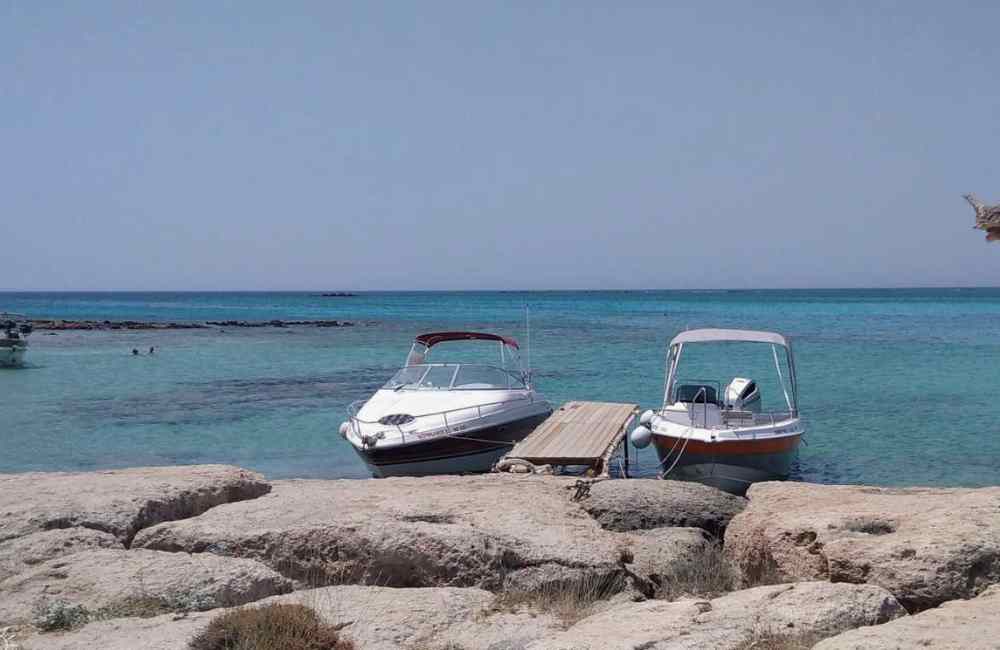
Just for precision: Elafonisi can also be reached by boat from Paleochora, a village further east on the south coast. This option is more relaxing than driving, but also more expensive and less practical unless you’re already staying in that area. Boats typically depart mid‑morning and drop you off a short walk from the main beach.
General driving tips — Updated
No matter which road you choose, a few things haven’t changed:
✔ All these roads are mountainous and winding, and even the new bypass isn’t a highway
✔ Keep your speed modest, watch out for goats and wandering animals
✔ In high season, get moving before 9:30–10:00 am to avoid jams
✔ At dusk or night, it’s better to wait — many of these roads are poorly lit
✔ If you want to avoid all driving stress, there are also organized tours and private transfers available (details in my How to Get to Elafonisi guide)
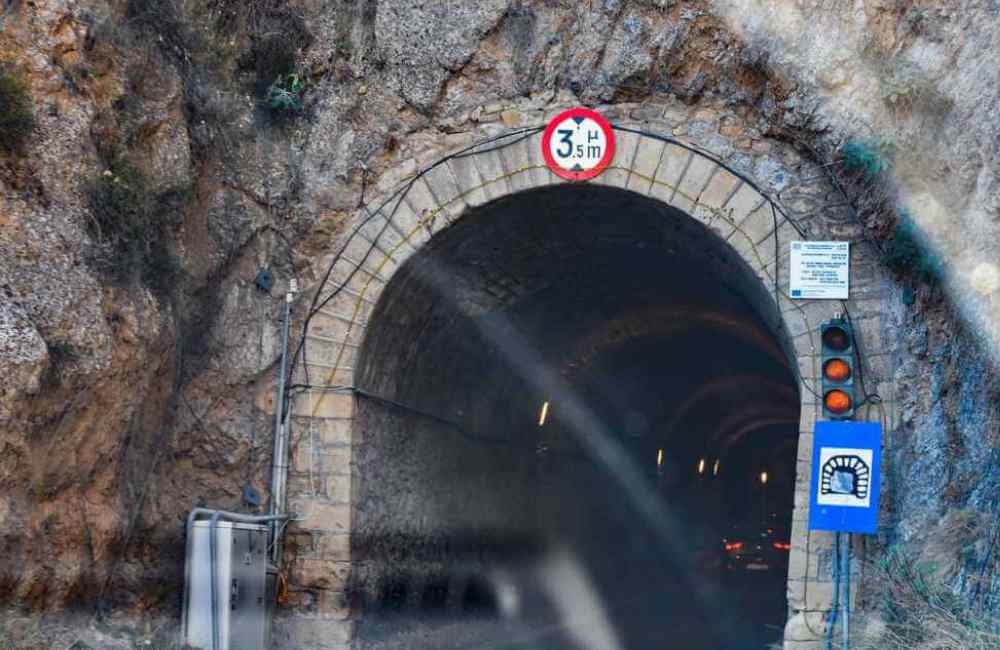
Once you reach Elafonisi, you’ll still have a short 5–10 minute walk from the parking area to the beach itself… but that’s a story for the next section.
🗺️ CONSIDER BOOKING A GUIDED TOUR
→ If you want to avoid driving to Elafonisi, you can! Click here to check out all the available private tours that take you there!
More ways to get to Elafonisi
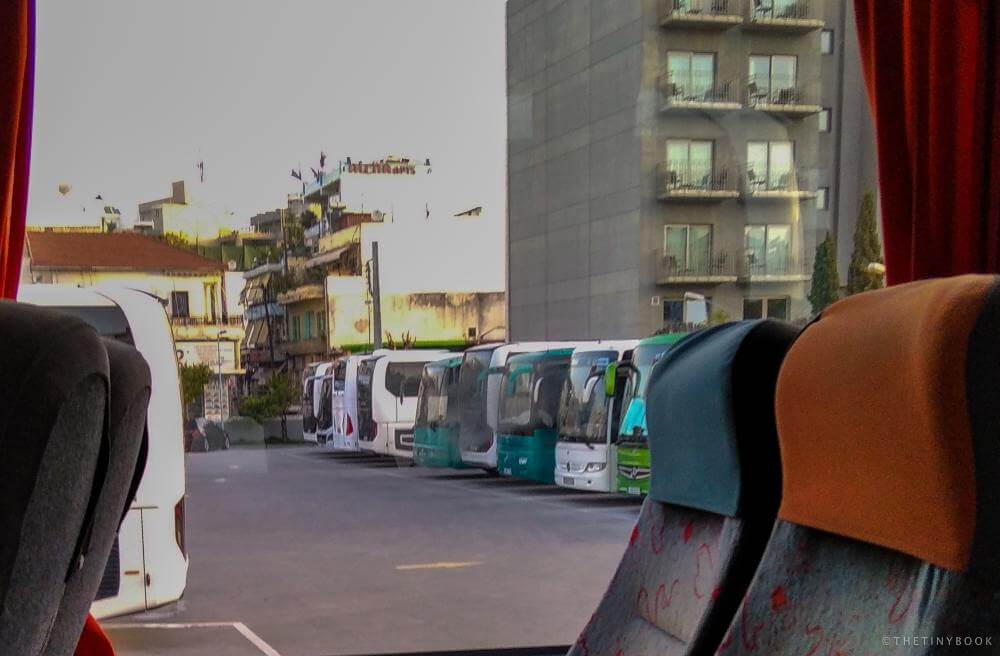
By bus: It’s not hard at all to reach Elafonisi by bus from Chania’s Central Bus Station. The timetable is usually on the KTEL bus company website. The bus service is very limited during winter. The ticket is about €10 each way and the journey there is about 2 hours.
Organized bus tour with pick-up from your hotel and drop-off at the end of the day: For an affordable fee you skip the driving part, visit the beach, take advantage of explanations by a local guide, enjoy free time on Elafonisi Beach, and on your way back you will also stop for a delicious lunch in a small village in the mountains. Pick-up and drop-off are included.
These are some of the Elafonisi bus tours I can recommend:
- Elafonisi Bus Trip with Free Time from Chania (approximate fee €35)
- Day Trip to Elafonisi Island from Chania (approximate fee €37)
- Elafonisi Island Day Tour by Bus from Rethymno and Chania (approximate fee €35)
- Day Trip Elafonisi Island direct Excursion from Heraklion (approximate fee € 48)
- If you’re quoted a much higher price, expect a private tour (mini van) with a more exclusive service and tailored stops.
Places to see near Elafonisi Beach, in Crete
If you’re driving to Elafonisi, take it easy and stop on your trip to check the following places…
Komolithi, Potamida
If there’s a place worth stopping while you’re on the way to Elafonisi, this is it. It should be your first stop because it is the attraction closest to the town of Chania.
Don’t miss a visit if you love nature or photography or if you travel with kids.
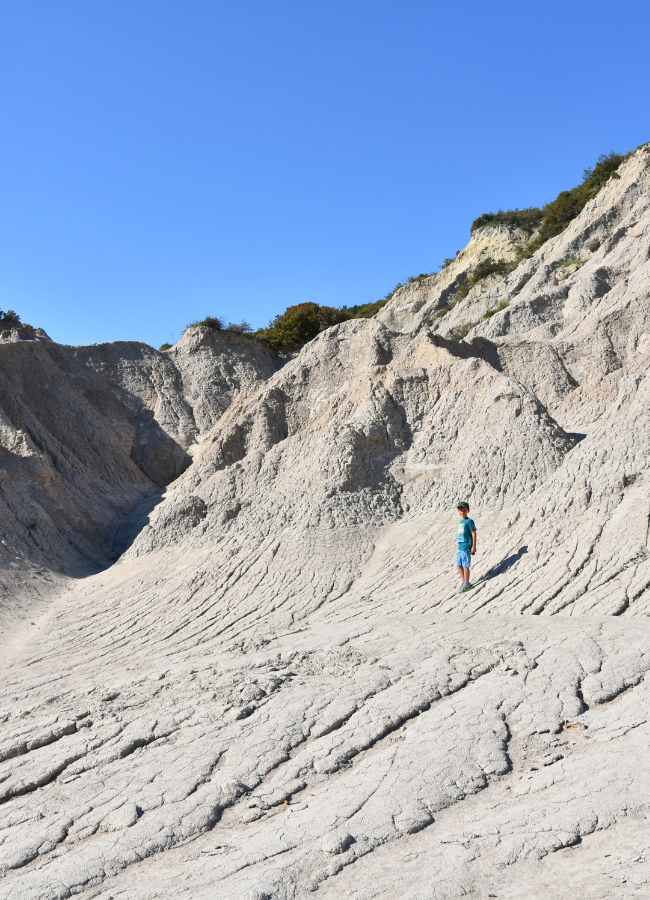
Komolithi is located in the village of Potamida, in Kissamos, in the valley of river Tyflos. If you are coming from Chania, it’s no more than 15 minutes after you take the detour to Elafonisi.
Look out because there is just one small sign.
This bizarre landscape is made of very soft clay hills, grey, and rather low.

The erosion has sculpted their unique conical shape, and many of the formations have vegetation on the top. There’s only one place in Crete with similar formations.
The hills are fairly easy to climb while the place is rather unknown and solitary, perfect to take unique pictures.
Agia Sofia

Right after you’ve passed the tunnel of Topolia, there’s a wonderful place that deserves a stop: Agia Sophia.
After a breathtaking steep climb of over 150 steps, you will reach the imposing entrance of this unique cave, about 285 meters a.s.l. In it, there is a tiny church with the same name
The main chamber has been known since ancient times, and it is called The Cathedral due to its dimensions, about 20 meters high and 70 in width. Humidity increases the further you venture into the cave. So remember to wear comfortable shoes to climb and walk inside, and avoid flip-flops at all costs.

The place is famous for the alga, but also the number of pigeons flying inside. Inside the
According to a legend, Saint George’s horse left an imprint of his hoof on the walls of the cave. After the visit, stop while you climb down, for a refreshing orange juice in the local taverna.
Milia Mountain Retreat
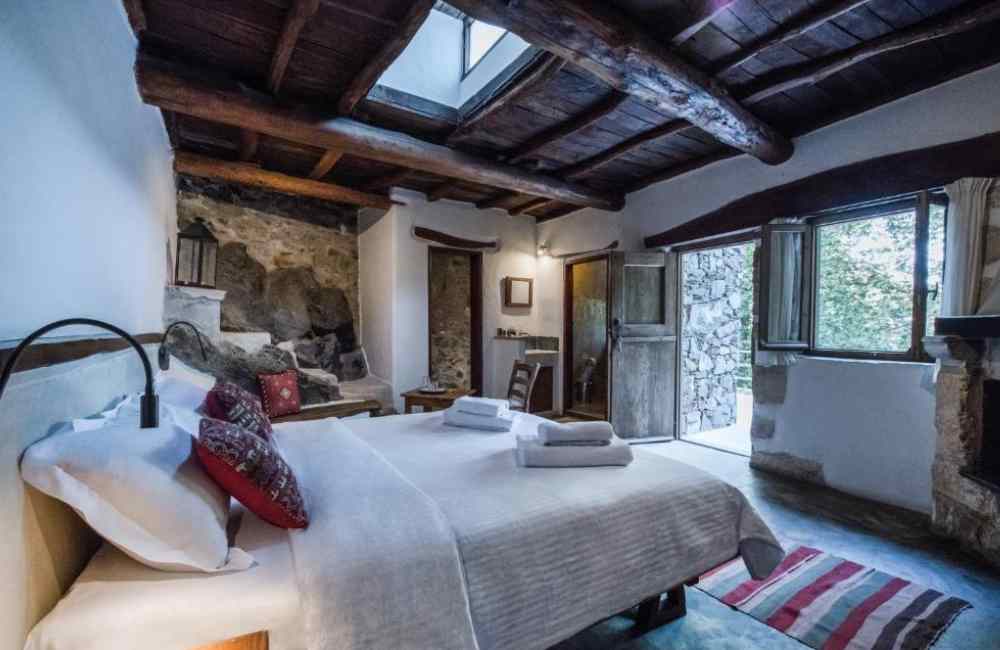
Milia is a private mountain resort close to Topolia Gorge, in a zone belonging to the network Natura of protected areas.
The facilities used to be an abandoned village from the 15th century, above the gorge of Topolia gorge, at the foothills of the White Mountains.
Thanks to accurate restoration work, it’s now a cozy hostel with an organic farm on the premises. This settlement has become very popular during the last years and many locals choose it as a Winter retreat.
It’s also popular among young Cretans as an alternative to spending Christmas at home, they come here with friends or with a partner. The complex is amidst a breathtaking mountainous landscape, in a valley surrounded by the mountains Kefali and Psilo (about 550 meters a.s.l.).
You can get more information about the accommodation here. Activities in the resort include cooking lessons and hiking. It’s a place to keep in mind for a long stay in the mountains.
Chrysoskalitissa Monastery

About 5 km north of Elafonisi, check the Monastery of Panagia Chrisoskalithisa (sometimes spelled Chrysoskalithissa).
It’s located on the top of a rock, less than 40 meters high, this seventeenth-century building offers spectacular views of the surrounding area and the sea.
This is a fortified construction with a very interesting name. Chrisoskalithisa comes from the Greek
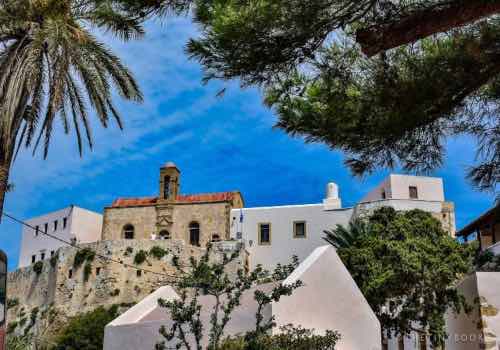
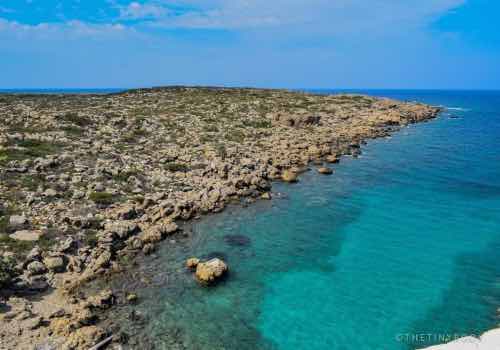
According to the legend, one of the 98 steps leading up to the monastery was made of gold, the last step of the staircase. Another version explains that the sanctuary sold the valuable staircase during the Ottoman rule of Crete to alleviate its economic burdens.
Very close to the monastery, archaeologists have found a little fishing village dating back to the Minoan era.
Elos Village

This small and quiet village is about 60 km from Chania, fairly close to Elafonisi. It is a superb stop for food before or after the visit to the pink sand beach.
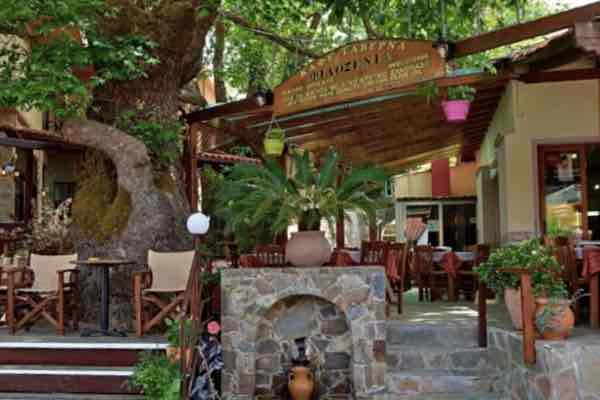
The village is surrounded by green scenery made of chestnut forests, olive groves, and plane trees, as well as a few streams flowing from the mountains.
Every year, by the end of October, the arrival of Fall is celebrated by the chestnut festival, which attracts visitors from different corners of the island.
🎯 LOCALS KNOW BETTER
→ If you stop in the village of Elos, I strongly recommend you taste the homemade dishes of Philoxenia Taverna, you will never forget a meal there. You can read the reviews here.
Kedrodasos Beach
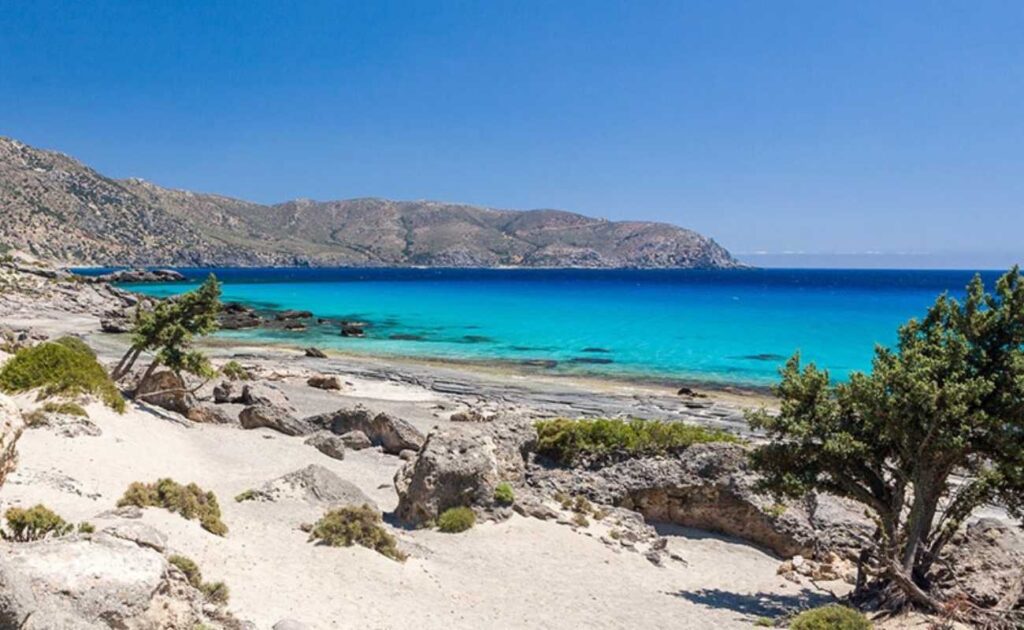
Kedrodasos is only one kilometer from Elafonisi, towards the east. It’s a bit hard to reach as you will have either to hike or to drive along a very rough path, an off-road vehicle is the best way to go.
The name of the beach means cedar forest, but the tree that populates the area is the juniper, a delicate and protected species.
The area is secluded and there is no accommodation around. Many people choose the place as a camping spot, though Greek law forbids it. There’s more information about Kedrodasos in my article about the best beaches in South Crete. The best way to discover Crete is by planning a road trip and itinerary on your own. Are you ready?
Planning a Crete itinerary that actually works
Because Crete is so large, planning a realistic route can make the difference between a relaxed trip and spending hours every day in the car.
If you’re unsure how to organize your itinerary, which regions to combine, or where to stay to minimize driving, you might find it helpful to start with a customized plan.
If you want help designing a realistic itinerary — including the best base towns, driving routes, and hidden places most visitors miss — you can book a Crete Trip Planning Consultation.
Book your consultation here

Are you visiting Crete Soon?
Join my Facebook group for more tips, or plan your Crete itinerary with me!
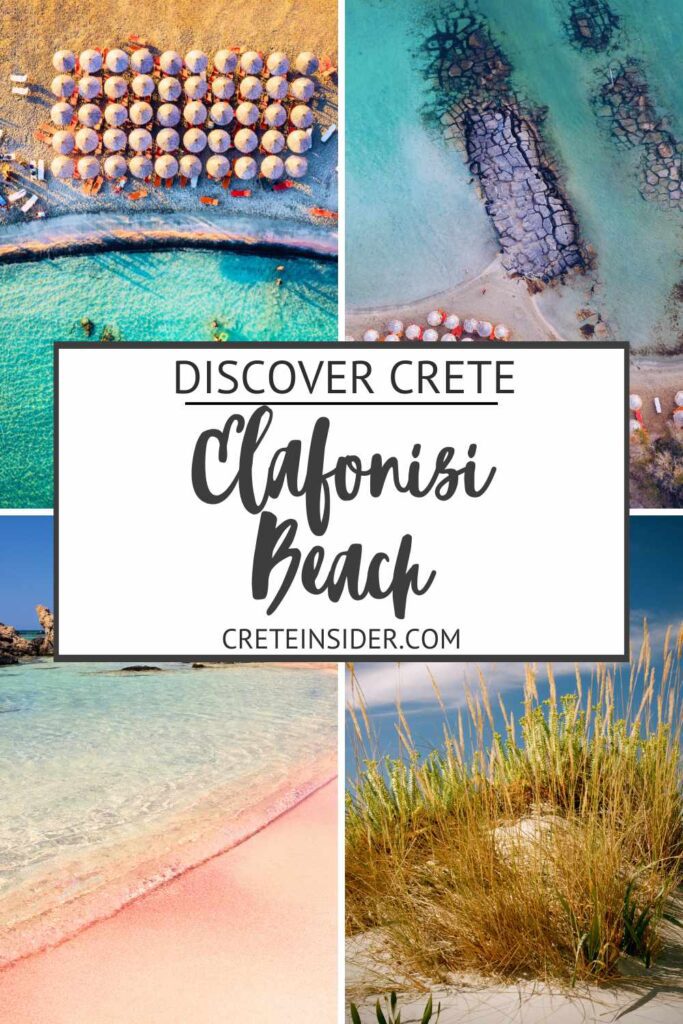
Pin for Later!
Elafonisi Beach in Crete


Gabi, the Crete Insider
Hi, I’m Gabi — your go-to local expert in Crete! I’ve been living in Chania, Crete since 2016, and I’ve turned my love for the island into a full-time passion — guiding travelers, writing for travel media, and curating local experiences.
I co-authored DK Eyewitness Top 10 Crete and other guides. I run the blogs The Tiny Book, Greece Planner, and My Cretan Recipe. Through this platform I help travelers design unforgettable trips to Crete.
→ Book your 1:1 consultation with a local to plan your Crete escape
🚘 Trusted Car Rental in Crete
CAR RENTAL IN CRETE ~ Enjoy peace of mind by hiring a car from a local company. Rethymnon Cars offers excellent cars, full insurance with no excess, no credit card deposit, and no extras.


