
Kathara Deftera in Crete: Everything About Clean Monday, Lent, Carnival, and Easter Traditions
Discover the deep-rooted Cretan traditions related to Easter. Starting on Tsiknopempti and continuing until the end of Easter Celebrations, this period of the year is full of celebrations and significant moments!
📍 Must-do: Balos Cruise 📍 Knossos Palace 📍 Check rental car rates for Crete 🚗
In Crete, the period leading up to Easter is marked by a blend of religious observance, local traditions, and vibrant celebrations.
One of the most significant events in the lead-up to Easter is Kathara Deftera, or Clean Monday, the first day of Lent in the Greek Orthodox Church.
Kathara Deftera sets the tone for a period of spiritual reflection, fasting, and community gatherings. While it is a time for personal sacrifice and renewal, it is also a day that brings Cretans together to celebrate in a unique and joyful way.
Tsiknopempti
Before Kathara Deftera marks the beginning of Lent, another significant celebration takes place in Greece—Tsiknopempti.
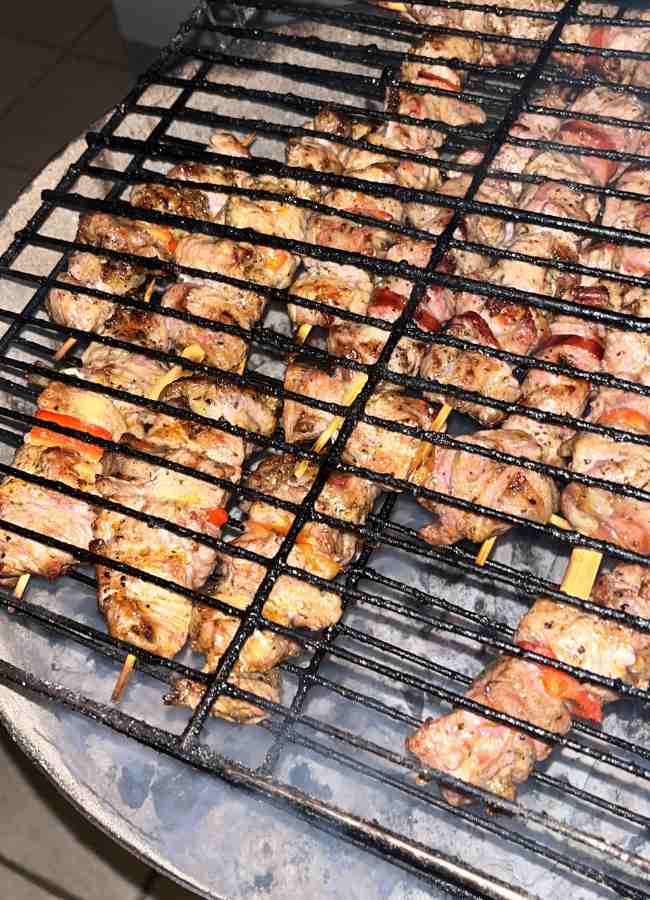
This day, known as “Smoky Thursday” or “Barbecue Thursday,” is all about indulging in grilled meats before the fasting period begins.

As the name suggests, the air is filled with the delicious aroma of sizzling meats as families, friends, and tavernas fire up their grills for a grand feast.
In Crete, locals gather for festive barbecues, enjoy live music, and embrace the joyful atmosphere that defines Greek carnival season.
It’s a day of excess and celebration, a stark contrast to the clean and seafood-based traditions of Kathara Deftera, which follows soon after.
Kathara Deftera: The Beginning of Lent
Kathara Deftera, or Clean Monday, occurs 48 days before Easter and marks the official start of Lent in the Greek Orthodox calendar.
The day is considered a time for spiritual cleansing, a practice of self-discipline, and repentance, preparing believers for the joy of Easter.
It is a day of fasting, as the church encourages the faithful to abstain from animal products, including meat, dairy, and eggs. Instead, the focus is on vegetarian food, such as legumes, vegetables, olives, bread, and fruits.
In Crete, Kathara Deftera is celebrated with enthusiasm and community spirit, and it is not just about fasting—it’s about coming together to celebrate the renewal of the soul and the arrival of spring.
The Cretan countryside is alive with activity, as people spend the day outdoors, in nature, enjoying the fresh air and the arrival of warmer weather.
The Tradition of Outdoor Feasts and Picnics
On Clean Monday, Cretans often take part in festive outdoor picnics and barbecues to mark the beginning of Lent. Families, friends, and even entire villages gather in the countryside to share a meal under the clear sky.
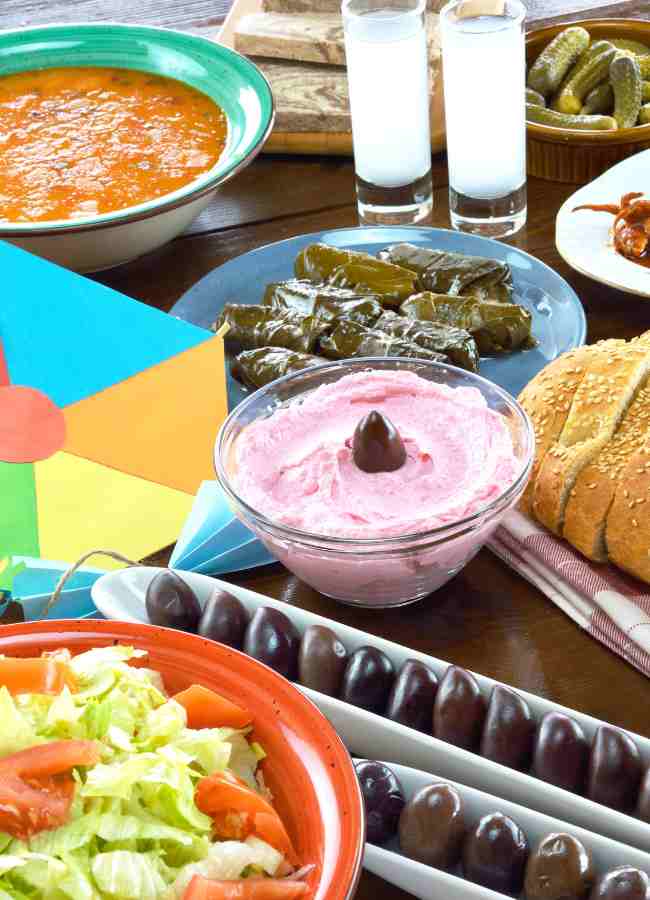
The traditional foods consumed on Kathara Deftera are simple and wholesome, reflecting the spirit of fasting. Vegetable stews, olives, bread, and seafood are often on the table, along with lagana, a special flatbread made specifically for Clean Monday.
Lagana is a symbol of the simplicity of the day—it is made without yeast, and the dough is typically topped with sesame seeds. It’s said to be the bread eaten by the Israelites during their exodus from Egypt, adding a layer of biblical significance to the meal.

Eating lagana on Kathara Deftera is a tradition in Crete, and it’s commonly enjoyed with olives, roasted vegetables, and various dips including the delicious taramosalata.
One of the most iconic foods prepared during this time is hummus, made from chickpeas, olive oil, garlic, and lemon. It’s typically served with fresh vegetables and bread for those gathered to enjoy the day.
While Kathara Deftera is primarily about spiritual renewal and simplicity, the feasts held on this day mark the end of the winter season and the beginning of spring. People often gather to eat and play traditional Cretan music as part of the celebration.
Kites on Kathara Deftera

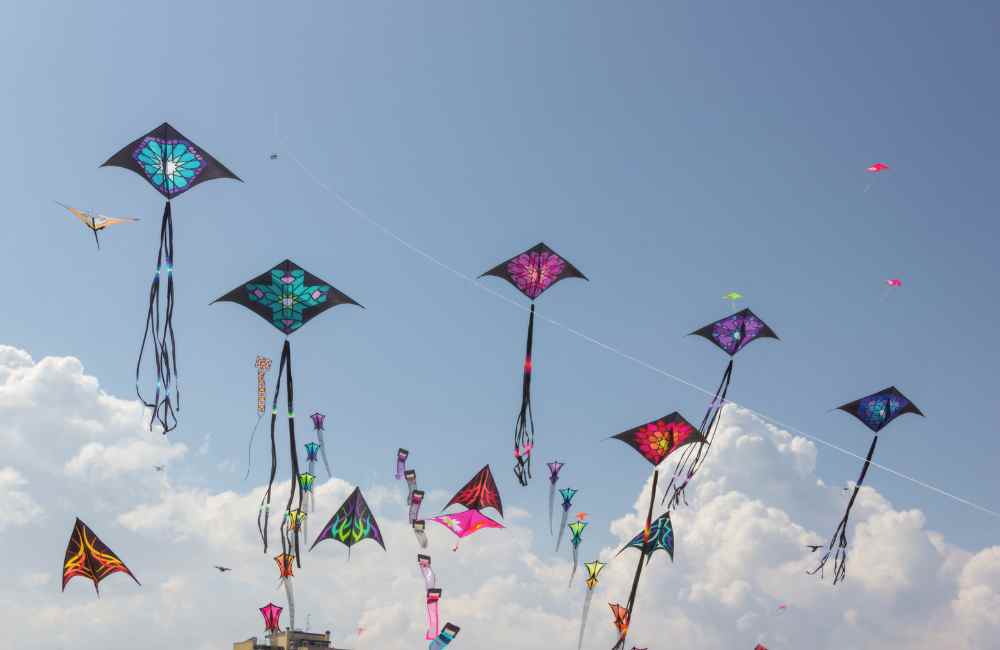
One of the most beloved traditions of Kathara Deftera is kite flying, a joyful activity that fills the sky with colors.
Families with kids head to open spaces, parks, and beaches, where children eagerly launch their handmade or store-bought kites into the wind.

This custom symbolizes the soul’s freedom and spiritual cleansing as Lent begins. In Crete, as in the rest of Greece, the day is filled with laughter and friendly competitions to see whose kite flies the highest.
With the crisp spring breeze and the scent of Lenten delicacies in the air, kite flying turns Kathara Deftera into a celebration of renewal, joy, and tradition.
Lent and Carnival in Crete
Although Kathara Deftera marks the start of Lent, it also coincides with the final days of the Cretan Carnival.
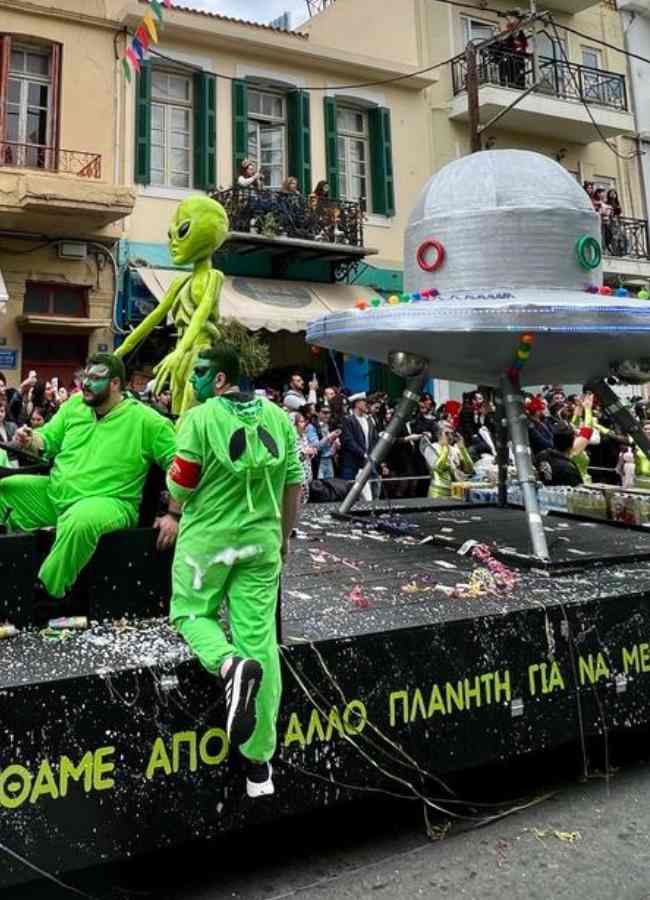
The Carnival season, known as the Apokries, is a time for people to let loose before the somber period of fasting and self-denial begins. The Carnival is full of parades, costumes, and playful revelry. In towns such as Rethymno, Heraklion, and Chania, locals engage in carnival celebrations that include street parties, masquerades, music, and dancing.
The Cretan Carnival is one of the most important events in the local cultural calendar, and it’s a time when the island comes alive with color, energy, and merrymaking.

The last Sunday before Kathara Deftera is often marked by a massive party, where people wear costumes and indulge in food and drink before the fasting period begins.
It’s a time for people of all ages to enjoy one last hurrah before the spiritual focus of Lent takes over.
In some parts of Crete, the Apokries includes humorous and playful performances, often mocking local politicians or current events, and showcasing the island’s tradition of satire and irreverence.
The Carnival season is also an important occasion for socializing, as people of all walks of life come together to share in the fun and festivities.
😉 RELATED ARTICLE
→ The Ultimate Guide to the Rethymno Carnival in Crete: Why You’ll Love It!
The Transition from Carnival to Lent
As the Carnival season winds down, the mood shifts with the arrival of Kathara Deftera, as Cretans embrace the more serious and reflective tone of Lent.

The transition from Carnival to Lent is symbolic of the balance between joy and restraint that is a core element of the Cretan way of life. Lent is not just about food, but also about self-reflection, prayer, and spiritual growth.
During Lent, Cretans focus on making amends, repenting for any wrongdoings, and dedicating themselves to prayer and reflection. It’s a time for personal growth, and many will attend church services more regularly, especially on Sundays, leading up to Holy Week and Easter.
For Cretans, Lent is an opportunity to focus on what is truly important in life—family, community, and faith.
Easter and the End of Lent
The period of Lent culminates with Holy Week, the final week of fasting leading up to Easter. Easter is the most important religious celebration in Crete, and it marks the end of Lent with the resurrection of Christ.
Cretans celebrate Easter with a range of traditional foods, from magiritsa (a lamb-based soup) to lamb on the spit, tsoureki (sweet braided bread), and koulourakia (Easter cookies).

The Easter celebrations in Crete are deeply rooted in the island’s history and religious practices. Holy Saturday night is especially significant, as it marks the resurrection of Christ with midnight Mass and the Holy Fire.
Families gather to exchange greetings and enjoy a grand feast that celebrates both the spiritual and communal aspects of the holiday.
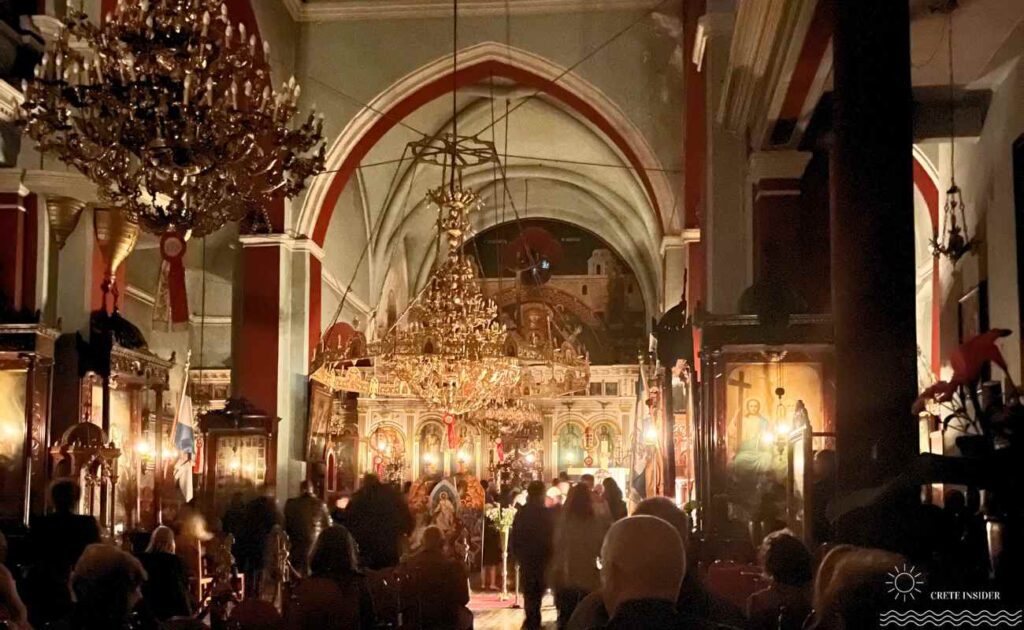
Kathara Deftera, Lent, and the Carnival season in Crete are all deeply intertwined, creating a unique blend of spirituality, tradition, and celebration.
Clean Monday signals the beginning of Lent and the renewal of the soul, while also encouraging people to come together for festive outdoor meals and gatherings.
The transition from the Carnival season to the more somber period of Lent reflects the balance between joy and reflection that defines life on the island.
If you find yourself in Crete during this season, don’t miss the chance to experience these traditions firsthand—whether it’s sharing a meal of lagana with locals, participating in the Cretan Carnival, or enjoying the quiet reflection of Lent, Crete offers an unforgettable Easter season.

Are you visiting Crete Soon?
Join my Facebook group for more tips, or plan your Crete itinerary with me!
Pin for Later!
Kathara Deftera in Crete



Gabi, the Crete Insider
Hi, I’m Gabi — your go-to local expert in Crete! I’ve been living in Chania, Crete since 2016, and I’ve turned my love for the island into a full-time passion — guiding travelers, writing for travel media, and curating local experiences.
I co-authored DK Eyewitness Top 10 Crete and other guides. I run the blogs The Tiny Book, Greece Planner, and My Cretan Recipe. Through this platform I help travelers design unforgettable trips to Crete.
→ Book your 1:1 consultation with a local to plan your Crete escape
🚘 Trusted Car Rental in Crete
CAR RENTAL IN CRETE ~ Enjoy peace of mind by hiring a car from a local company. Rethymnon Cars offers excellent cars, full insurance with no excess, no credit card deposit, and no extras.


