
What to Pack for Crete in January: The Complete Winter Packing Guide
January is often the coldest, wettest month in Crete. You’ll find fewer crowds, a quieter island, and a chance to experience Crete like a local — but the weather demands preparation. Expect cool days, damp conditions, and strong winds along the coasts. What you pack should focus on warmth, waterproofing, layering, and flexibility.
📍 Must-do: Balos Cruise 📍 Knossos Palace 📍 Check rental car rates for Crete 🚗
January Weather at a Glance
- Daytime temperatures typically range from about 12 °C to 15 °C (54 to 59 °F).
- Night / early morning lows drop to around 7 °C to 10 °C (45 to 50 °F).
- Rain & clouds: January is among the wetter months, with rainfall on average ~14 days.
- Sea temperature remains cold — about 16 °C (61 °F) — so swimming is only for the brave.
- Wind & storms: Northern coasts and exposed stretches can get gusty. Occasionally, winter storms push across the island.
- Daylight: Shorter days, so maximize outdoor plans midday when possible.
- Microclimates matter: Southern and leeward slopes may feel milder; mountain and interior villages can be colder, damper, and windier.
Because of these conditions, your January packing must emphasize warmth, water resistance, and the ability to layer effectively.

Layers & clothing logic for Crete in January
Think in three main layers:
- Base layers — close to skin, moisture-wicking, comfortable.
- Mid layers — insulating pieces (fleece, wool, etc.).
- Outer layers — windproof, waterproof shells and jackets.
Also include dressier options for evenings, and versatile bottoms that pair with multiple tops. Since January can surprise you with a mild sunny day, make sure some pieces can shed layers too.

What to pack — Clothing & layers
Base & everyday tops
- 2–3 long-sleeve shirts / thermal tops (merino, synthetic blends)
- 1–2 short-sleeve tees (use layered under other pieces on milder afternoons)
- 1 light undershirt / camisole (for layering)
Mid layers / insulation
- 1–2 warm sweaters / pullovers (wool, fleece or heavy knits)
- 1 hoodie or thick sweatshirt
- 1 vest / insulated gilet (for layering warmth without bulk)
Outer & weather protection
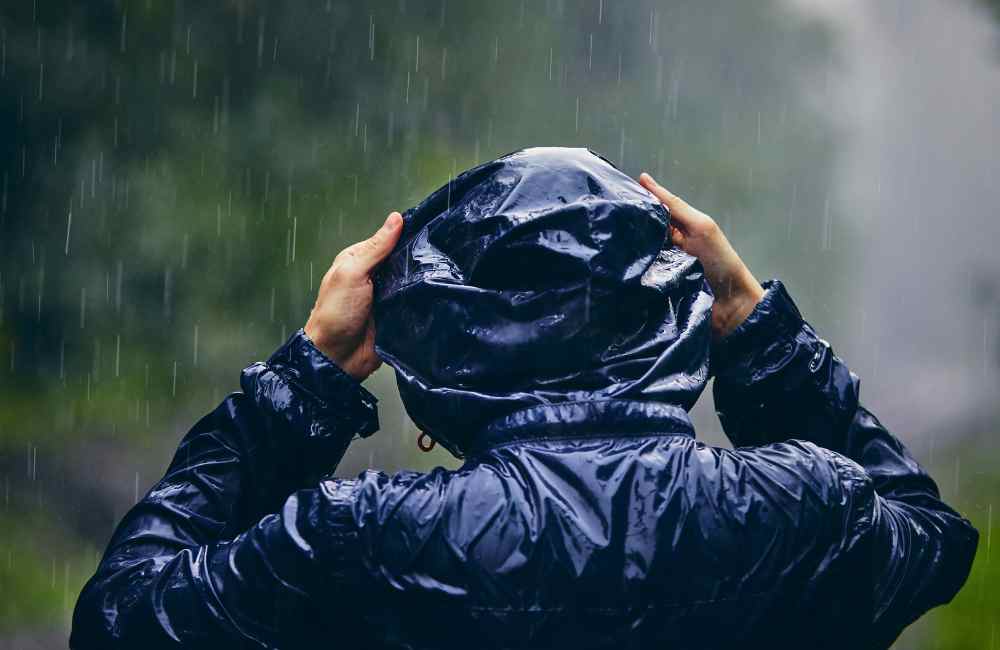
- A good waterproof, breathable rain jacket / shell (with hood) is essential
- A windproof softshell or light insulated jacket
- In case of colder spells or high altitude excursions: a mid-weight insulated jacket
Bottoms & legwear
- At least one pair of thick trousers / jeans / heavier pants
- Another pair of lighter pants / chinos (for less cold days)
- Thermal leggings / tights (great under pants for extra warmth)
- Optional: skirt + thick tights (for evenings or milder days)
Evening & dressy pieces
- One smart-casual outfit (dress + sweater or shirt + nice trousers)
- Scarf / shawl (both for style and extra warmth)
- Light cardigan or wrap
Imporant items: Cold-weather extras
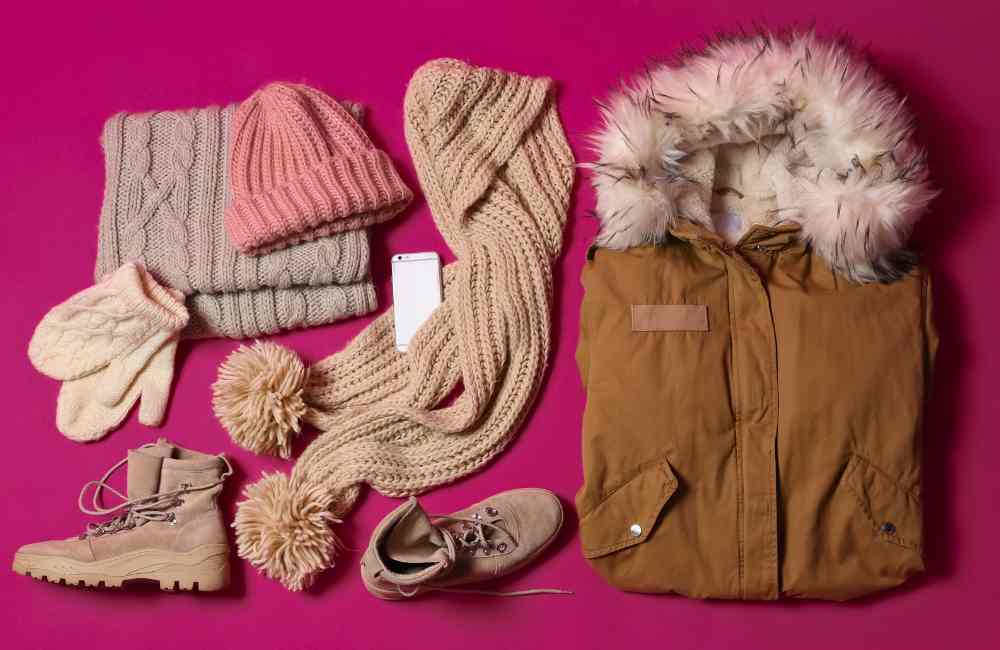
- Beanie / warm hat, scarf, and gloves (essential for chilly mornings, windy spots)
- Buff / neck gaiter (useful against wind or in mountain passes)
Footwear
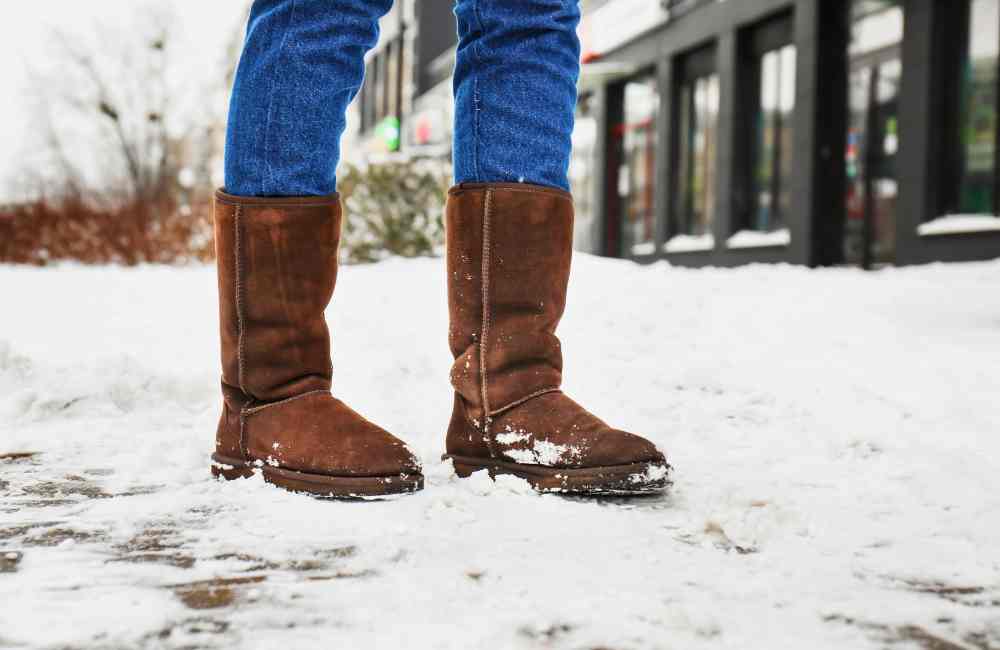
- Waterproof walking / hiking shoes or boots
Critical for rainy, damp ground.
- Casual sneakers / comfortable walking shoes
For town walking.
- Optional: nicer shoes / slip-ons
For dinner or indoor settings.
- Optional: sandals / lighter shoes
Unlikely to be used, but could help indoors or if staying in very mild coastal towns.
➜ Shoes should be broken in, offer good traction, and handle dampness.
Accessories & gear
- Sunglasses & sunscreen (sun still strong on clear days)
- Compact umbrella or rain poncho / packable rain cover
- Daypack / day bag (for hikes, city walking)
- Reusable water bottle
- Power adapter (European two-pin, Type C/F)
- Portable power bank / extra chargers
- Travel guide / maps (offline or paper)
- Binoculars (for birdwatching, nature, coastline)
- Light towel / travel towel (for damp spots, streams)
- Swimsuit (for rare warm spells — optional)
Documents, health & practical items

- Travel insurance (covering delays, storms, hikes)
- Printed copies of bookings (hotels, car, tours)
- Passport / ID + photocopies
- Credit / debit cards + some cash (euros) — small rural places may prefer cash
- Small first aid kit (band-aids, antiseptic, pain relief)
- Toiletries & personal items
- Wet wipes / hand sanitizer
- Waterproof pouch or ziplock bags for electronics / documents
- A compact flashlight / headlamp (useful in rural or low-light spots)
Optional & nice-to-have extras
- Notebook / journal
- Camera / good smartphone with spare memory
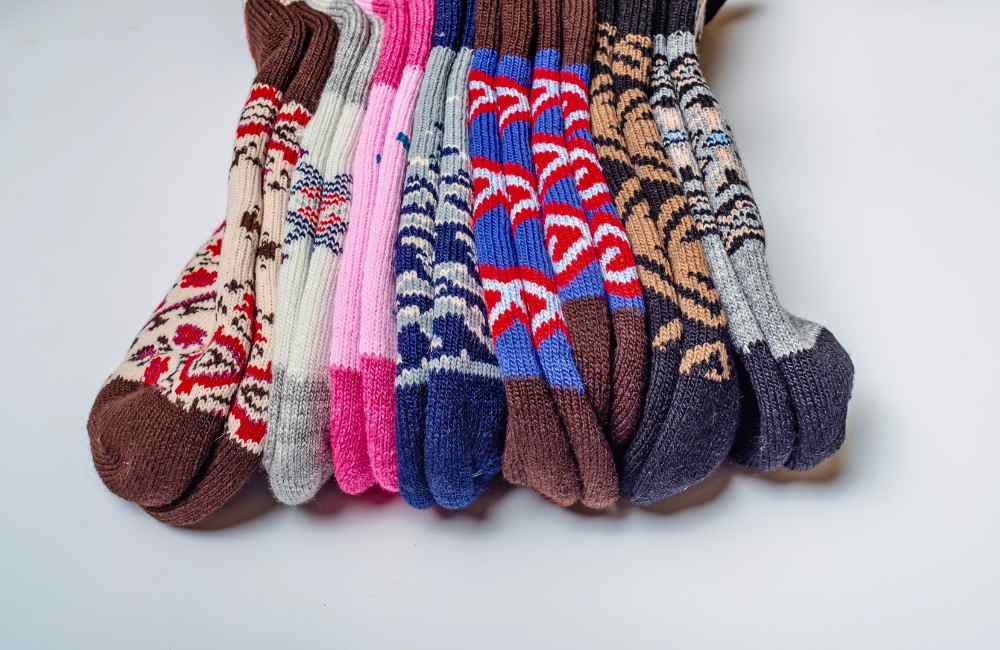
- Extra socks (damp days demand backups)
- Snacks / energy bars for day outings
What You Probably Don’t Need to Pack
- Heavy winter gear like full parkas (unless going into the mountains)
- Bulky formalwear
- Multiple pairs of dress shoes
- Excessive summer wear
Packing tips & local realities
- Always keep a “rain kit” (shell, poncho) in your daypack.
- Layer smartly so you can adjust during the day as temperatures shift.
- Use breathable, quick-dry fabrics to handle dampness.
- Pack spare base layers and socks, because even waterproof shoes can let in moisture.
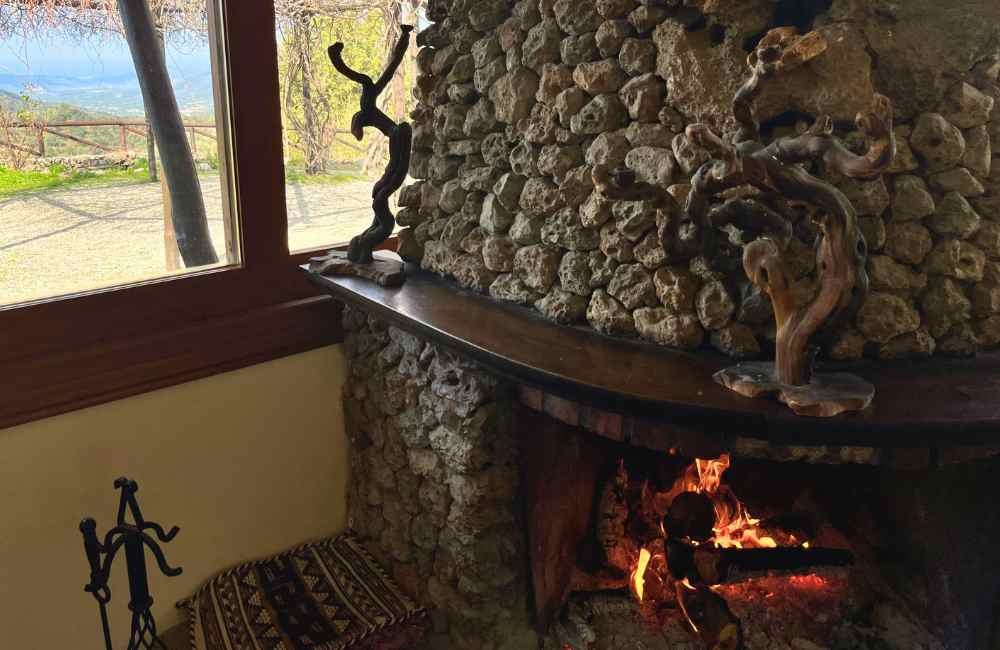
- Some properties in Crete have limited heating — pack warm pajamas. (This is a known winter advice for Crete winter travel)
- Mountain interiors or remote villages are colder — carry your warmest items when venturing inland.
- In winter, some small hotels, tavernas, or tour services may be closed — having backup clothing options is wise.
- Choose shoes and layers that mix and match so you can adapt to changing conditions.
Quick reference: What to pack for January in Crete
Keep this quick-reference table at hand for when it’s time to pack for your trip.
| Category | Must Bring | Optional / Nice-to-Have |
|---|---|---|
| Tops & Layers | Long-sleeve/thermals, sweaters, rain shell | Short sleeves, vest/gilet |
| Bottoms | Jeans / thick pants | Lighter pants, thermal leggings |
| Outerwear | Waterproof shell, windproof jacket | Insulated jacket |
| Footwear | Waterproof walking shoes | Casual shoes, slip-ons |
| Accessories | Umbrella, hat, scarf, gloves, daypack | Binoculars, towel, swimwear |
| Documents & Practical | ID, bookings, cash, insurance | First aid kit, waterproof pouches |
| Extras | Camera, journal, power bank | Extra socks, hand warmers, dry bag |

Are you visiting Crete Soon?
Join my Facebook group for more tips, or plan your Crete itinerary with me!
Pin for Later!
What to Pack for Crete in January

Gabi, the Crete Insider
Hi, I’m Gabi — your go-to local expert in Crete! I’ve been living in Chania, Crete since 2016, and I’ve turned my love for the island into a full-time passion — guiding travelers, writing for travel media, and curating local experiences.
I co-authored DK Eyewitness Top 10 Crete and other guides. I run the blogs The Tiny Book, Greece Planner, and My Cretan Recipe. Through this platform I help travelers design unforgettable trips to Crete.
🚘 THE BEST WAY TO SEE CRETE IS BY CAR 🚘
Compare international car companies in Crete, or trust a reliable local company like Retyhmnon Cars.


