

Things to Do in Crete in January: Explore the Island’s Quiet, Wild Side
January in Crete is a month of contrasts: quiet towns, windy coasts, green hills, dramatic light, and fewer crowds. Many summer services are paused, but that’s to your advantage: museums are calm, small villages feel alive with local rhythm, storms bring drama, and Crete’s hidden corners shine. If you visit in January, you’ll see a different Crete — more elemental, more introspective, more real.
Below is a month-long guide to things worth doing in Crete in January: seasonal highlights, weather cautions, itinerary ideas, and local tips.
📍 Must-do: Balos Cruise 📍 Knossos Palace 📍 Check rental car rates for Crete 🚗
January in Crete: What to Expect
Before we dive into activities, here’s the context you’ll need:
- Weather & daylight: January is among the coldest months. Crete sees cooler daytime highs (often ~12–15 °C) and nights that dip toward ~7–10 °C.
- Rain and wind: Expect more overcast days, occasional showers (especially in the west), and gusty coastal wind.
- Crowds & pace: The island is quiet — many tourist operations are closed or on reduced hours. This means more space for you in towns and sites.
- Transport & access: Some bus lines and ferry routes are suspended, so having your own transport is a big advantage.
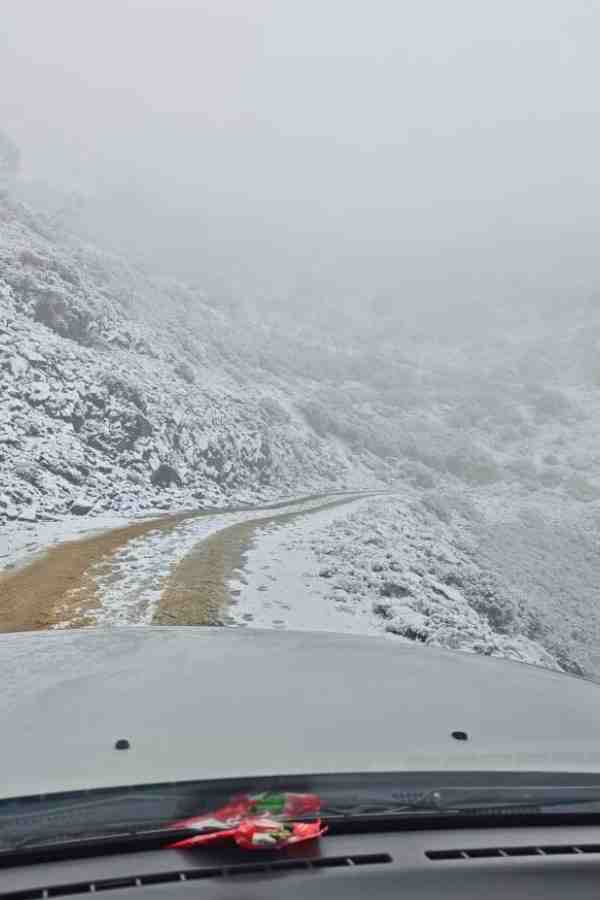
- Natural transformation: After autumn rains, hills are greener, streams and waterfalls flow, and the mood is brooding and beautiful. Snow is possible in the mountains.
- Local life emerges: Villages, family tavernas, churches and seasonal traditions are more visible — January gives you a chance to catch a more authentic rhythm.
With those in mind, here’s how to fill your days in Crete in January.
Things to do in Crete in January
The following are my favorite things that you can also do in January in Crete. It offers tips and ideas for winter travel in Crete. If you want, you can also check out my guide to rainy days in Crete, the top reasons to visit Crete in winter, and the seasonal winter guides to the most important Cretan cities:
1. City walking & heritage tours: Chania, Rethymno, Heraklion
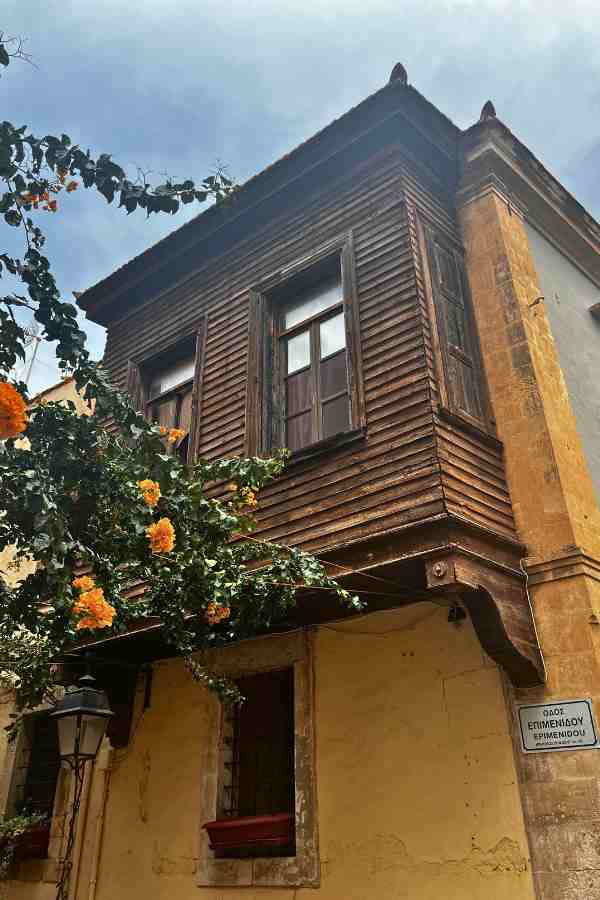
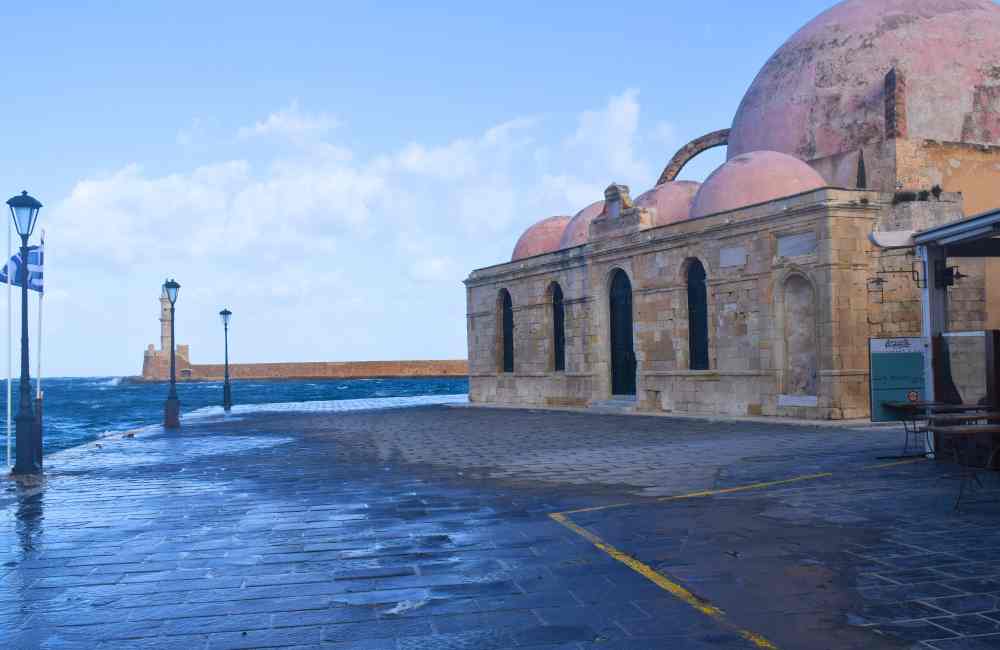
- Chania Old Town & Venetian Harbour: Even in the cooler months, Chania’s harbor is magical under winter skies. Walk its alleys, visit some museums, enjoy a sea-facing café, and savor the quieter winter vibe.
➜ Get in touch to join my Chania winter walk: a 2-hour visit to the old town discovering both well-known and hidden places in a unique cold-weather experience. Reach out for a quote.
- Rethymno & the Fortezza: Explore Rethymno’s fortress, the old town lanes, and the winter laiki (farmers’ market). The atmosphere is calm, the light is soft.
- Heraklion & Knossos: One of the big advantages of January is visiting major cultural sites with few people.
My suggestion is to explore the Minoan palace at Knossos and pair it with the Heraklion Archaeological Museum for an immersive day. ➜ This is the tour I recommend.
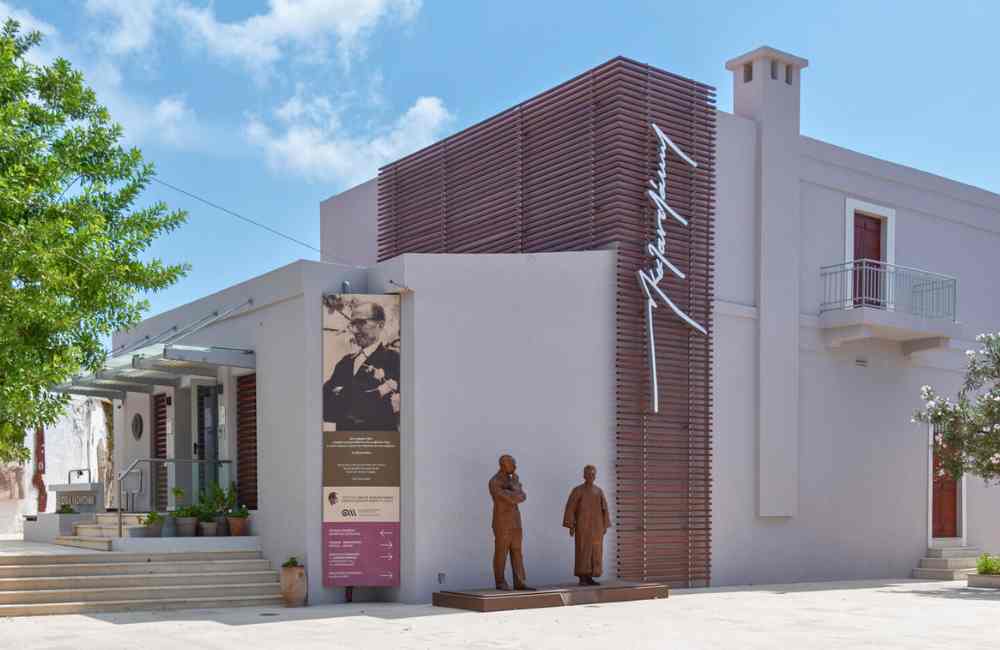
- Kazantzakis Museum (Myrtia): Venture to the village of Myrtia (just south of Heraklion) to visit the Nikos Kazantzakis Museum. It’s only eleven kilometers from Knossos and often open year-round. You can read more about the museums in Heraklion here.
2. Nature, walks, gorges & coastal drives
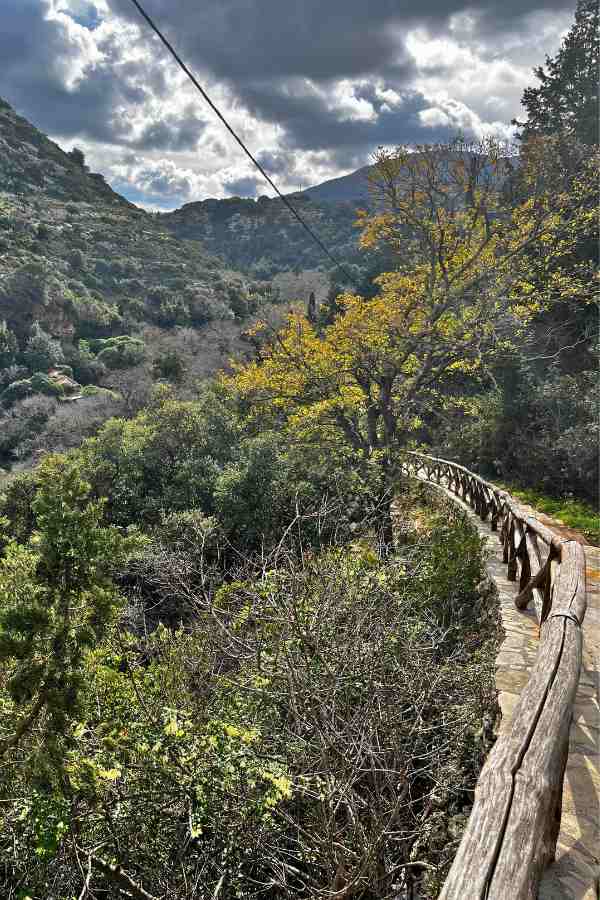
Keeping in mind that it is always advisable to check out the weather reports before heading to any path, and it’s also important not to walk in the gorges immediately after heavy rains, you can still enjoy some interesting natural paths in winter. My suggestion? Always wear the right clothes!
- Lower gorges & gentler trails: Samaria is closed during winter, but some shorter or lower-altitude gorges (like parts of Kourtaliotiko, Imbros or Richtis) might still be passable in dryer conditions.
- Coastal & valley walks: The southern coasts, river valleys, and paths around villages offer milder terrain. Even a walk along the sea near Chania or Agios Nikolaos can be beautiful in moody winter light.
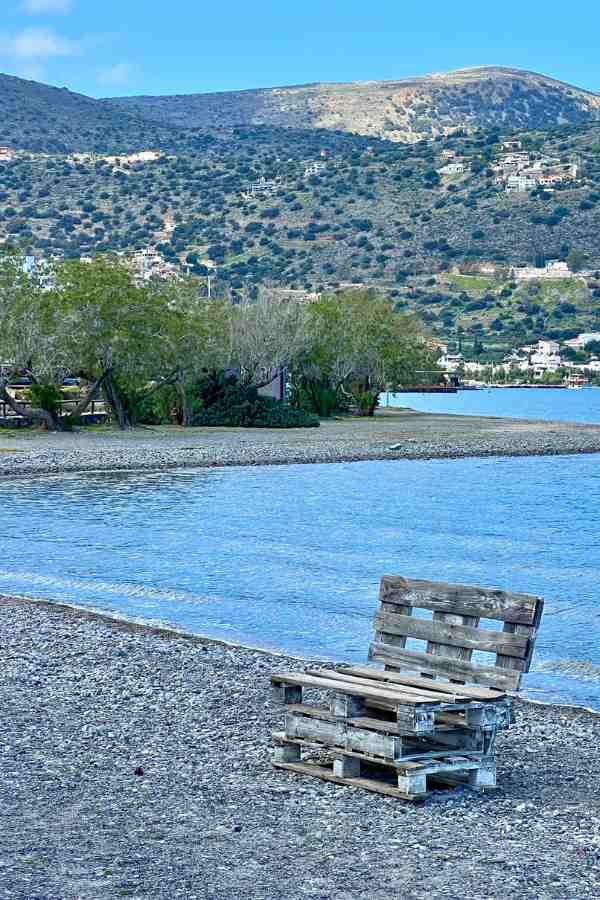
- Scenic drives: Use the car to enjoy the dramatic contrasts of coastline, cliffs, and hills. Roads in January are often clearer of summer congestion; the wild sky and winter sea bring special views.
- Mountain escapes: If conditions allow, visit the Psiloritis region or high plateaus (like the Nida Plateau) — you may see snow, wild panoramas, and quieter trails.
3. Culinary, farm & olive oil experiences
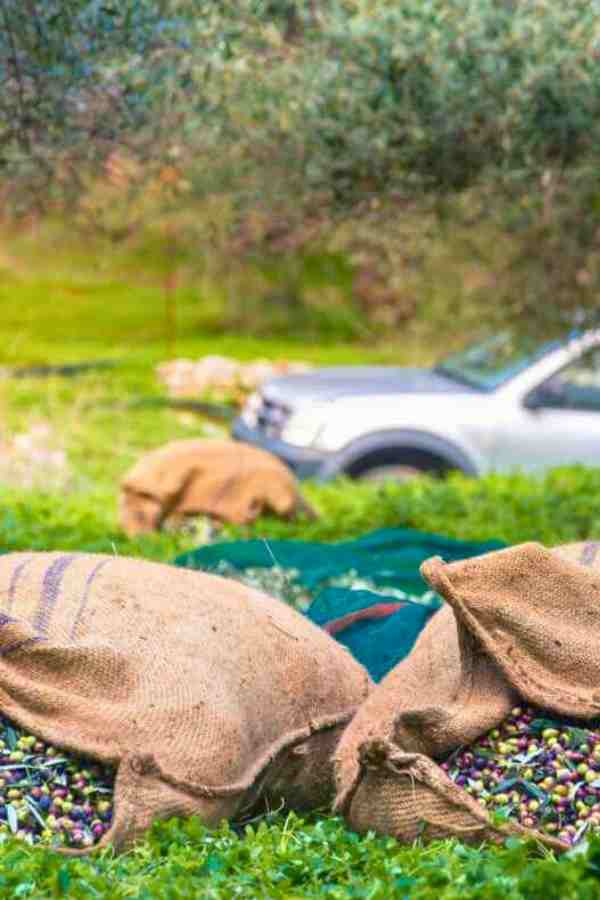
- Olive presses still fizzling: Much of our olive processing lingers into January, especially in cooler areas (in the Chania region, it’s quite common). Ask local producers for tours or tastings of fresh oils.
- Food & cooking classes: With longer evenings, indoor cooking workshops are perfect. Learn to make Cretan winter dishes, local pies, or sweets.
- Village markets & producers: Seek out the local markets in towns and villages: cheese, wild greens, herbs, honey, mushrooms. It’s a prime time to sample the land’s winter harvest.
- Cretan wine & raki: Winery visits, cellar tours, or family-run tasting sessions keep running in many areas. In winter, hosts often have more time and fewer guests — you get the stories.
4. Indoor & rainy-day options

Rain is not uncommon during January, you might even get 4 or 5 rainy days in a row! Do not worry, you will always find things to do on a rainy day in Crete.
- Museums & galleries: Use stormy or gray days to visit museums — Heraklion, Chania, Rethymno all have collections worth spending time with.
- Workshops & craft spaces: Pottery studios, olive-oil museums, weaving or textile workshops — many remain active in winter for locals and visitors alike. If you’re interested in pottery, I recommend exploring Margarites, a unique village in the Rethymno region.
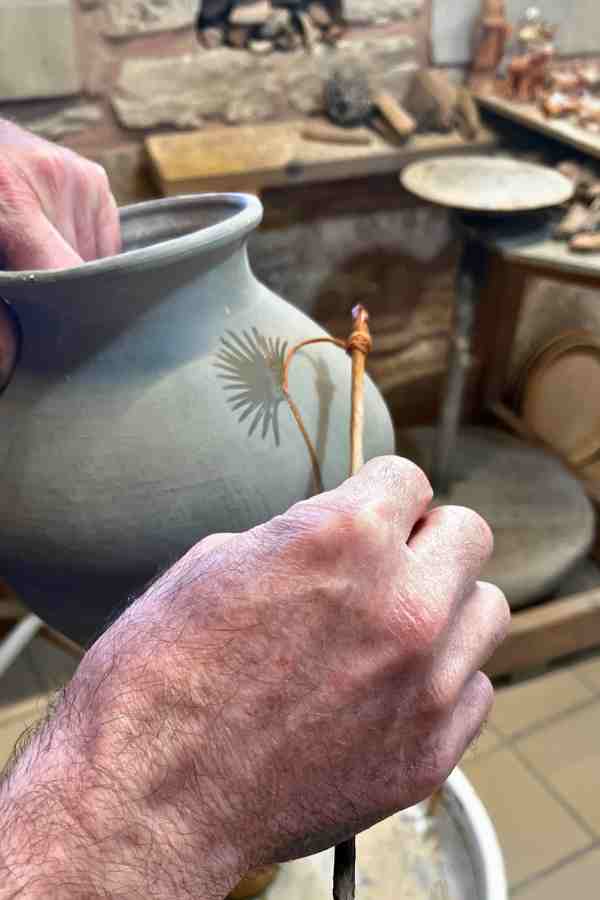
- Cafés, bookstores & slow afternoons: Meander cafés in towns, sip coffee while people-watching, read local books, or simply linger in atmospheric spots. Old towns but also modern cities, like the center of Heraklion, count endless cafés.
5. Festivals, traditions & winter atmosphere
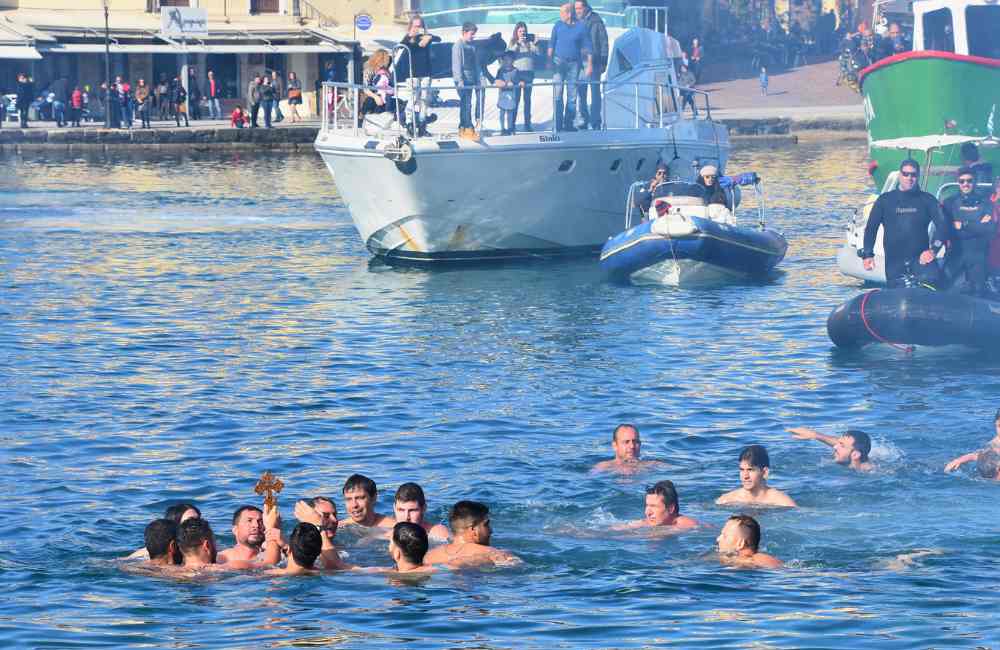
Watch for Epiphany (January 6) celebrations, either in important towns or little centers. Check out also patron saint festivals in villages. These are low-key but very genuine.
- Epiphany & Blessing of the Waters: Many coastal towns host ceremonies where a priest throws a cross into the sea and brave swimmers dive in to retrieve it. This is a striking traditional moment in January.
- Local church celebrations / saints’ days: January has patron saints’ feast days in villages. If your timing aligns, attending a local liturgy or neighborhood gathering can be a unique window into community life.
Key saint feast days & name days in January:
January 1 – St. Basil the Great (Άγιος Βασίλειος) — Vasilis, Vasiliki (and variants) celebrate today. It’s also New Year’s Day and a major feast in the Orthodox Church.
January 6 – Theophany / Epiphany (Θεοφάνεια) — Fotis, Fotini, Theofanis, Theofania, Iordanis, Ourania. This major feast commemorates Christ’s baptism.
January 7 – Synaxis of St. John the Baptist (Σύναξις Ἁγίου Ἰωάννου) — Ioannis, Ioanna, Yannis, Yanna, Prodromos and similar names. widely recognized in Greece and often celebrated socially.
January 17 – St. Anthony the Great (Όσιος Αντώνιος) — Antonios, Antonia, Antonis.
January 22 – St. Anastasios & St. Timothy — Anastasios, Timotheos (Tassos, Tasoula).
January 30 – Three Hierarchs (Τριών Ιεραρχών) — A major Church feast honoring St. Basil, St. Gregory the Theologian & St. John Chrysostom — and an important celebration especially for teachers and schools in Greece.
- Night walks & winter light: Evenings are long — take night walks along the harbours or lights along waterfronts, or gaze at moody skies from promontories.
6. Photography, mood, and solo explorations
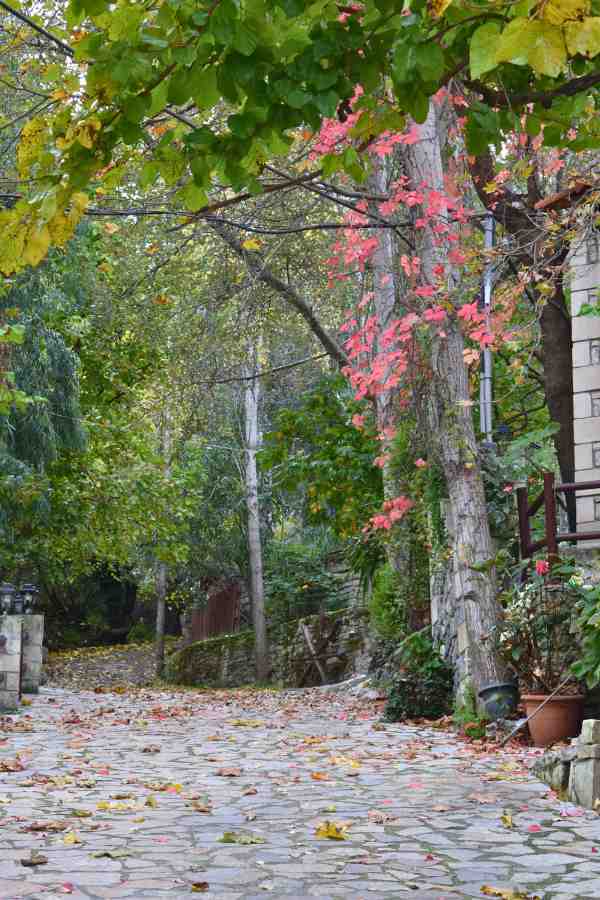
- Moody light & dramatic clouds: January skies often produce striking contrasts and moody light — perfect for photography of coastlines, hills, and ruins. Venture out with a good map and all of your lenses. You won’t regret it!
- Empty beaches & emotional frames: Beaches that are thronged in summer are silent in January. Walk them, photograph them, feel their scale. It’s one of the most unique experiences, especially if you have seen our beaches in July or August!
- Sunrise & sunset vantage points: With fewer people, vantage points become your own. Try coastal promontories or moutain village overlooks.
Sample 5-day January itinerary
Here’s a sample plan you can adapt to your pace, weather, and base region by using the resources in this blog and my e-guides to the four main towns. You can also book an online consultation with me and we can discuss a personal itinerary to make the most of Crete in January!
Day 1 – Base in Chania
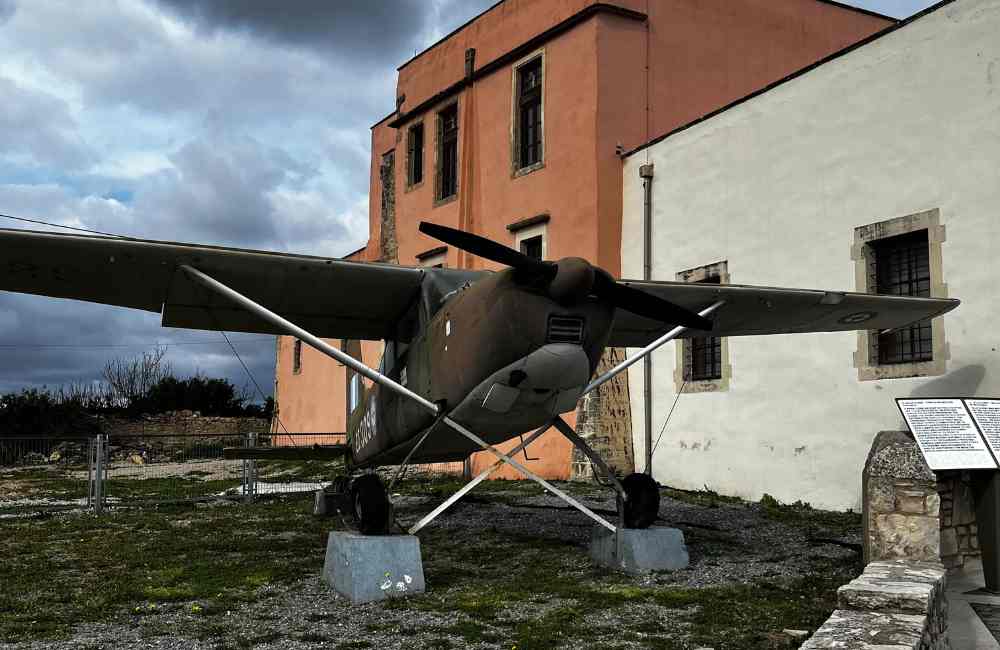
Settle in Chania, stroll the Venetian harbor, wander alleys, find a cozy taverna for dinner. I would suggest to devote a day to the new Archaeological Museum of Chania. If you enjoy driving, you can also had to Askifou to visit its war museum.
Day 2 – Western Crete
Drive toward the west to explore the village of Kissamos, with is Archaeological Museum, the coastline in Falasarna coast and the Ancient Phalassarna archaeological site.
If you enjoy driving, head south to explore the Topolia gorge (you don’t need to walk, you can pass the gorge by car), and drive futher south to visit Chrysoskalitissa Monastery. My suggestion? Stop in small villages for a local lunch.
Day 3 – Heraklion
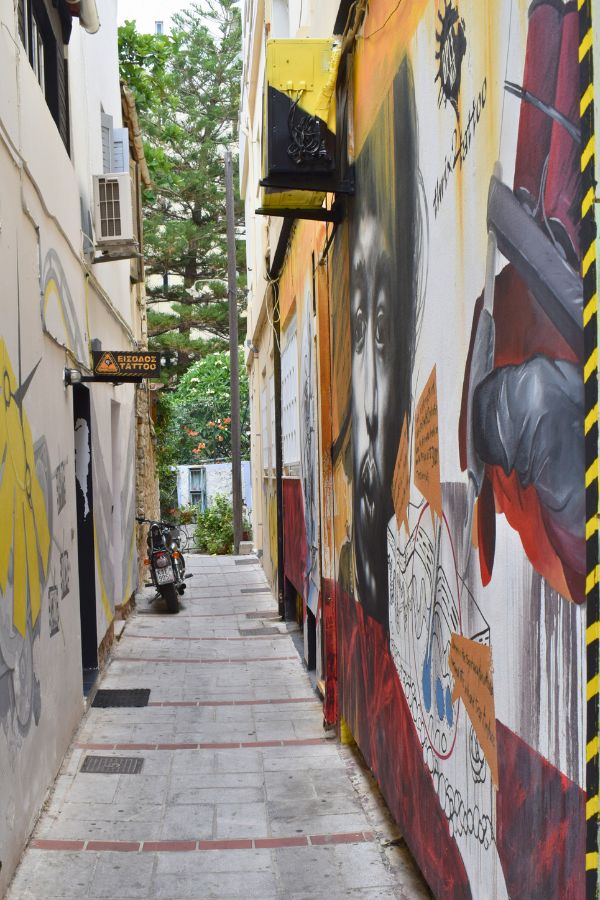
Devote the third day to visit Heraklion. Once in town, I suggest visiting the Minoan Palace of Knossos, and the archaeological museum. In the afternoon, head to the Heraklion wine region to explore a local winery, or pay a visit to the Kazantzakis Museum in Myrtia. In the evening, head back to the city center for a meal in any of the many fantastic restaurants in town.
Day 4 – A lighter hike or walk + food tour
Choose a gentle coastal walk or gorge segment if conditions allow. Mili Gorge in the Rethymno region is a good option. In the afternoon, you can do a cooking class or visit local olive mill. In the area, I suggest visiting the Military Museum in Chromonastiri.
Day 5 – Rethymno + Epiphany or seasonal church visit
Explore Rethymno’s old town, attend a local church service or celebrate Epiphany by the sea (if you happen to be in town on January 6th), finish with a seaside dinner.
This itinerary suggests spending the first two nights in Chania and the last three days in Heraklion or Rethymno. However, itineraries should always be flexible. Adjust where you stay (west, central, east) depending on your arrival hub and weather forecasts.
Tips & safety for January travel
- Stay flexible: Some roads, gorges or attractions may be closed after storms — always have backup indoor options.
- Rent a car: For freedom when buses or services are limited. always suggest checking the convenience of a reliable local company like Retyhmnon Cars 🚘 with whom I have partnered years ago and which offers excellent services to my readers.
- Check opening hours: Many smaller tavernas, workshops or sites may operate reduced hours in winter. Always look for the official website to make sure you’ll find the place you want to visit open.
- Layer & bring rain gear: Expect changing weather. A waterproof shell, warm layers, and a small rain kit in your daypack are essential.
- Avoid mountain roads in storms: If heavy rain or snow, steer clear of high passes or exposed roads. Likewise, talking ot the locals is essential, ask about trails, safe walking routes, and current conditions — local knowledge is gold in winter.
- Stay in towns that stay open: Base yourself in Chania, Rethymno, Heraklion or villages known to host year-round life. Agios Nikolaos is a good option if you’re looking for a very quiet area.
- Use daylight smartly: Plan your outdoor exploration around sunrise to midafternoon — daylight is limited in winter.
Why Crete in January feels different
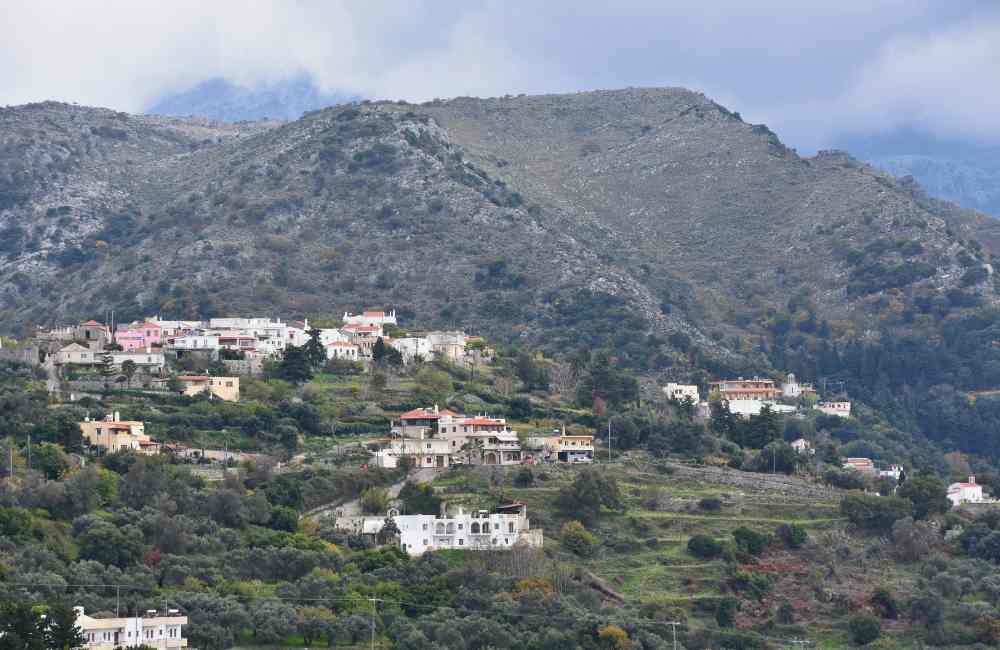
Visiting Crete in January is not about beaches or big-group tours. It’s about silence, subtle beauty, and connection — with nature, with local culture, with yourself.
The island reveals its skeleton: hills glow in green, skies swirl with storms, villages hum softly, and your moments feel undiluted. If you travel to Crete in January, you get space. You get breathing room. You get a Crete stripped to its soul.

Are you visiting Crete Soon?
Join my Facebook group for more tips, or plan your Crete itinerary with me!
Pin for Later!
Things to Do in Crete in December

Gabi, the Crete Insider
Hi, I’m Gabi — your go-to local expert in Crete! I’ve been living in Chania, Crete since 2016, and I’ve turned my love for the island into a full-time passion — guiding travelers, writing for travel media, and curating local experiences.
I co-authored DK Eyewitness Top 10 Crete and other guides. I run the blogs The Tiny Book, Greece Planner, and My Cretan Recipe. Through this platform I help travelers design unforgettable trips to Crete.
→ Book your 1:1 consultation with a local to plan your Crete escape
🚘 Trusted Car Rental in Crete
CAR RENTAL IN CRETE ~ Enjoy peace of mind by hiring a car from a local company. Rethymnon Cars offers excellent cars, full insurance with no excess, no credit card deposit, and no extras.


