

Why You Should Visit the Botanical Park and Gardens of Crete + Photo Gallery & Tips to Visit
Botanical Park and Gardens of Crete in Chania, everything you need to know to plan a day trip to Crete’s Botanical Park.
Near the center of the bustling Chania, there’s a green oasis of silence ideal for spending some time during your holidays. Just minutes away from the old town, Crete’s Botanical Park features local flowers, fruit trees, and herbs from the island, as well as stunning exotic plants from different regions. Use this guide to plan a visit to the Botanical Park and Gardens of Crete.
📍 Must-do: Balos Cruise 📍 Knossos Palace 📍 Check rental car rates for Crete 🚗
The Botanical Park and Gardens of Crete is a 20-hectare park created from the ashes of a terrible misfortune in 2004. A fatal fire burned the orange trees and olive groves in Skordalou village. A local family gave birth to the park to encourage the knowledge and preservation of Mediterranean species and promote open-air activities, such as field walks and mountain hikes.
>>> You can find more details on Botanical Park’s official site.
Botanical Park & Gardens of Crete: Location, Distances, and Map
📍 35.422399 N, 23.938861 E
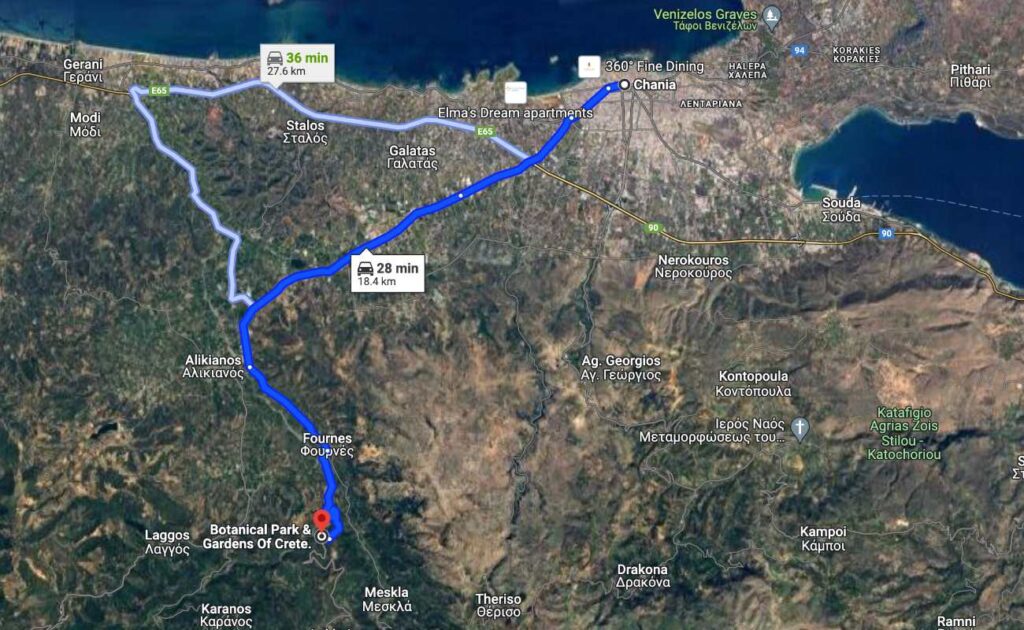
The Botanical Park & Gardens of Crete is 17 km south of Chania, in the village of Fournes, on the road to the Omalos Plateau. You should take the road to Omalos-Samaria. Plenty of signposts on the road indicate the way, so you cannot get lost. The area is easy to reach by car, and there’s also a comfortable parking space at the entrance.
You can also get to the botanical park by bus from Chania’s central station (daily departure at 9.30 a.m. – daily return at 2.30 p.m.). The bus stops in the main seaside villages west of Chania (Agii Apostoli, Stalos, Agia Marina, and Platanias). The gardens are 80 km from Rethymnon and 156 km from Heraklion.
📌 Are you skimming through the post and have no time to read it now? Save it on Pinterest and read it later!
Essential Things to Know
- Operating Hours: from March to November from 9 a.m. until sunset.
- Admission fee: €7 (Kids from six to twelve pay €5. Kids under six enter for free). The fee for residents is half the price.
Frequently Asked Questions About the Botanical Gardens
Is it hard to walk around the Botanical Park?
No, the walk is quite pleasant and as relaxed as you want. You can take all the time you need. Plenty of places to sit and rest are available if you get tired, which is useful if you visit in the heat of the summer. Some points along the circuit require you to climb steps. Some climbs are steep, but not much.
Is the trail long?
Not really; depending on your pace and interest, you can walk for two to three hours. You can take a small detour before reaching the pond (signpost with a map); this way, you can shorten the journey.
Is it a difficult trail?
The path is not paved, so don’t wear fancy shoes or flip-flops. Walking sandals and hiking boots are great, but tennis shoes are more than enough. If you visit a day or two after it has rained, be careful because the path can be slippery.
Do I need a walking pole?
The trail is simple, but if you need extra help, ask at the entrance for a typical Cretan shepherd’s walking pole (locally known as katsouna), which you can borrow for the walk.
What should I carry to visit the Botanical Park?
1) Plenty of water (a bottle) is included with the entrance fee, but you can buy more at the restaurant when you pay for the entrance ticket. You can also have coffee or fresh juice there before accessing the gardens and stop for lunch after walking.
2) Use sunscreen lotion. Remember that you will walk under the sun for almost two hours. The vegetation can be lush enough to protect you from the heat, but this can be tricky. You won’t notice it, but you will end up sunburned. It’s better to be prepared.
3) Use mosquito-repellent lotion. I have never had any trouble, yet it’s a garden, and bugs are bound to happen.
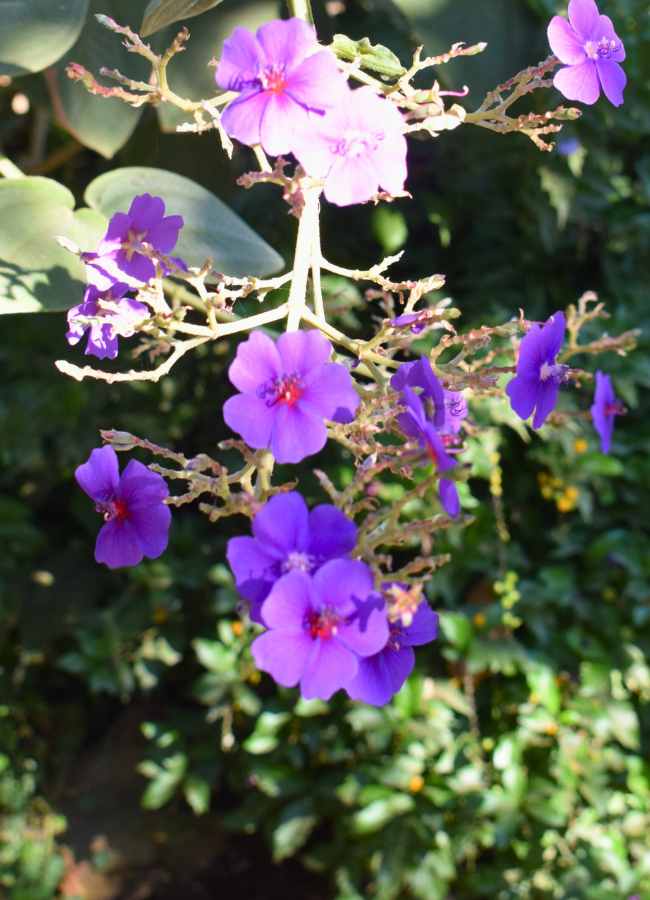
4) Photo camera. There are plenty of beautiful sights to capture, and the colors of exotic flowers in blossom are splendid.

Things to See in the Botanical Garden of Crete
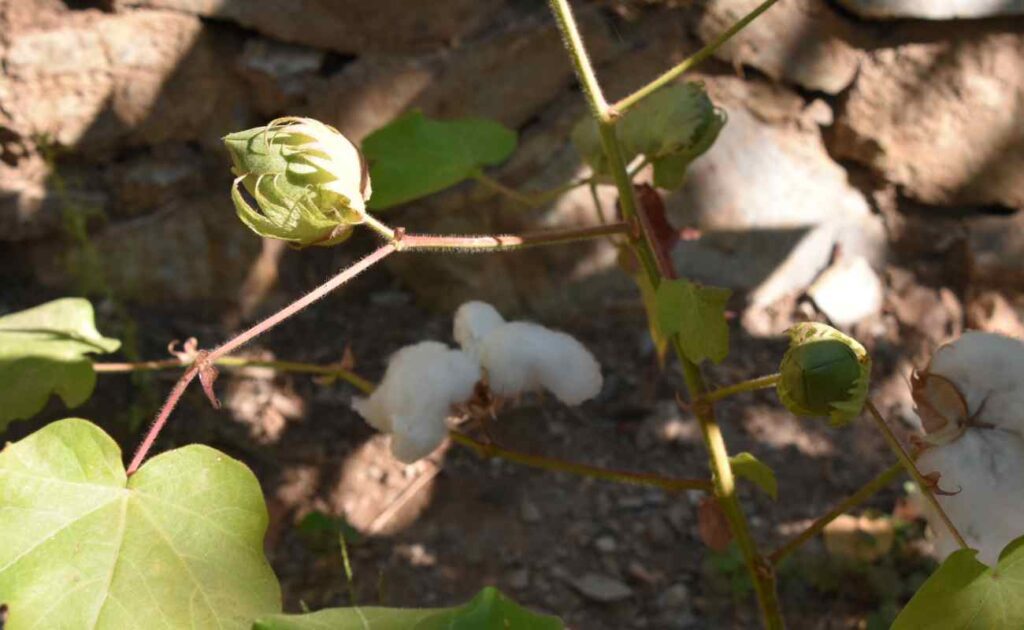
The garden has hundreds of species, from exotic fruit and tropical trees to local herbs and citrus. Among the plants you can check are berries, grapes, and many beautiful flowers, some truly unique in shape, color, and fragrance. You can also discover plants such as coffee, cotton, or several varieties of nuts.
At the bottom of the circuit, there is a pond with several species of birds, including geese, ducks, and peacocks. You can also see turtles, donkeys, deer, and the local wild goat, agrimi (often erroneously called kri kri).
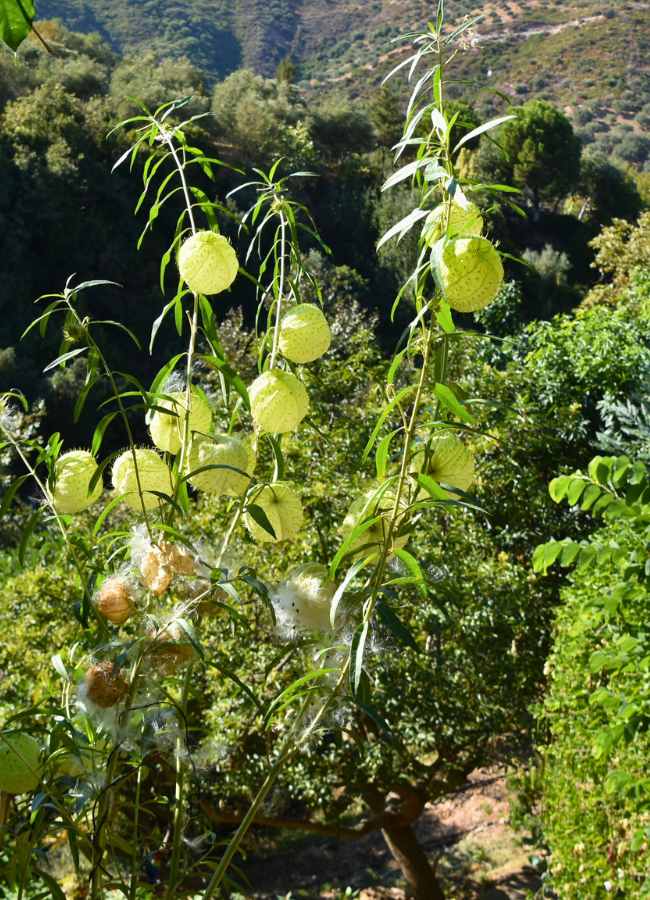

Mediterranean Herbs Area: Endemic Plants of the Island
This area of the Botanical Park contains a huge variety of endemic Cretan and Mediterranean herbs, bushes, and trees. These include the typical herbs used for medicinal purposes and delicious Cretan dishes, such as thyme, oregano, mint, or rosemary.
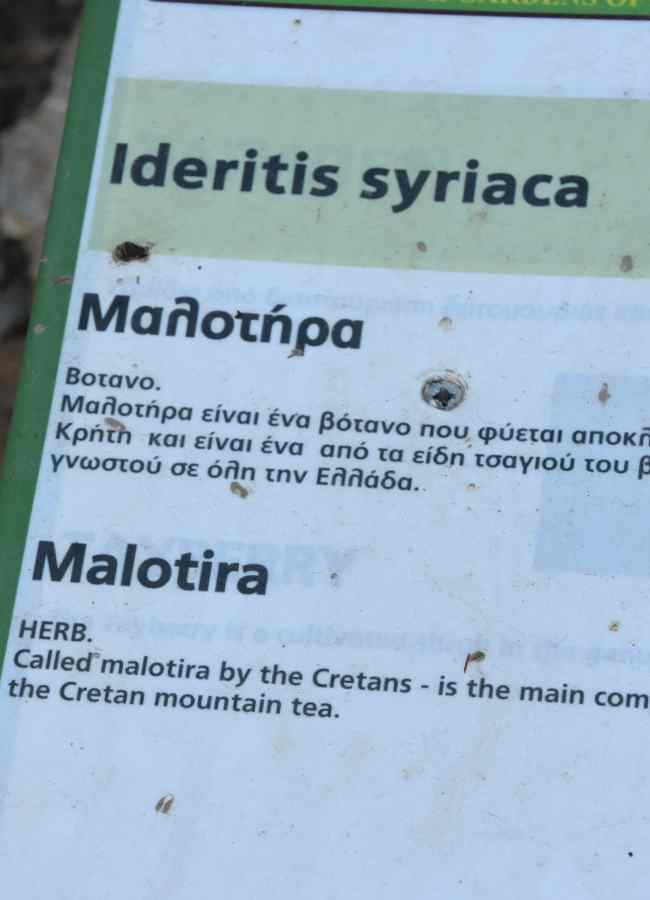
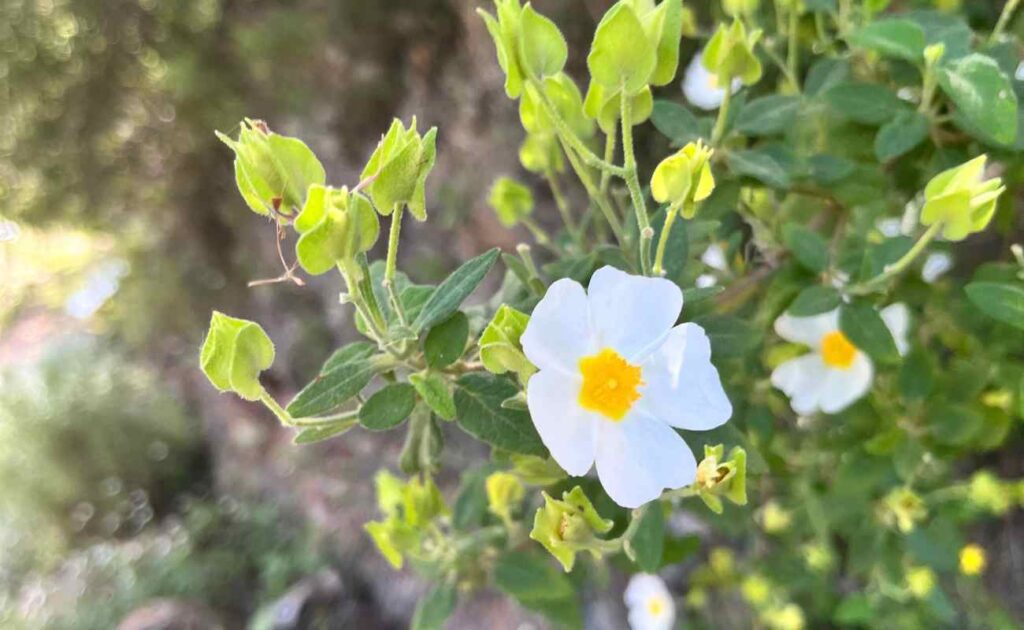
You can also check old olive trees and other species that grow on Crete, such as white malotira and diktamo. According to research, Crete hosts one of the continent’s most varied and interesting ecosystems.

The Vineyards
The vineyards are one of the last gardens you will see on the way since they are almost at the circuit’s exit, quite close to the restaurant.
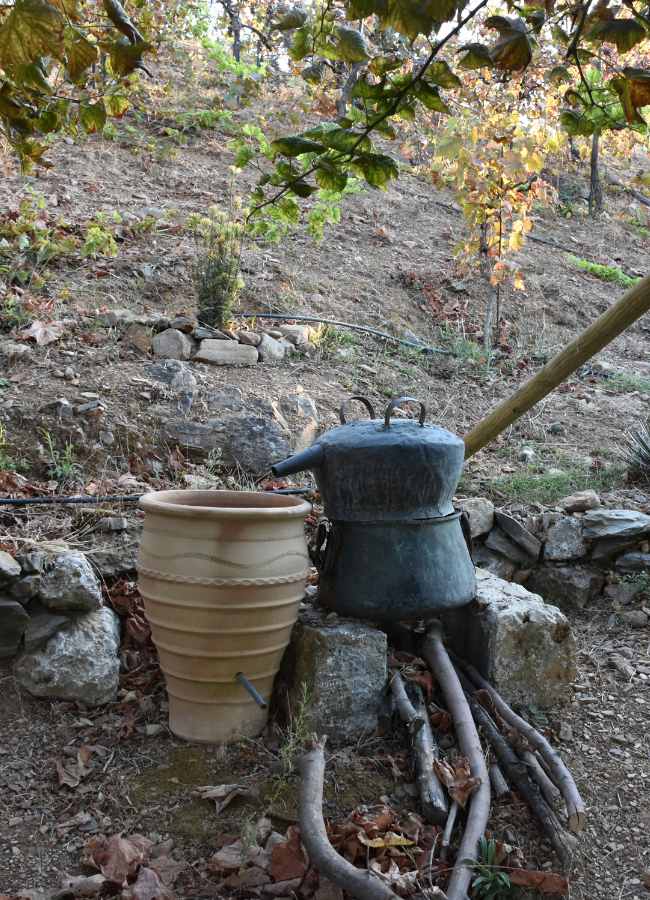
As you might have read in the blog or on the internet, Crete has over 12 native grape varieties that produce excellent wines and the local spirit, tsikoudia. Walking around the vineyard, you can also spot a real kazani, the cauldron used to distillate Crete’s famous raki.

The Gardens
The botanical park features several gardens divided according to the species featured. Do yourself a favor, and don’t forget your photo camera when you visit!
Mediterranean Fruit Trees Garden
The variety of Mediterranean fruit trees you can discover in this section of the park is stunning. These include the common apple tree, cactus, prickly pear, pomegranate, plum, mulberry, pear, peach, and more.
Did you know that we in Crete eat four times more fruit than the rest of South Europe? I didn’t. Well, no wonder we do; our rich soil and mild temperatures make the fruit that grows on the island very tasty and flavorful.

The Cherry Tree Garden
If you visit in March, April, or May, this garden section is one of the most magical places you can see! Cherry trees blossom and cover the place with beautiful white and pink flowers. This area features different varieties of cherry trees, most of which originally came from Asia Minor.

The Citrus Garden
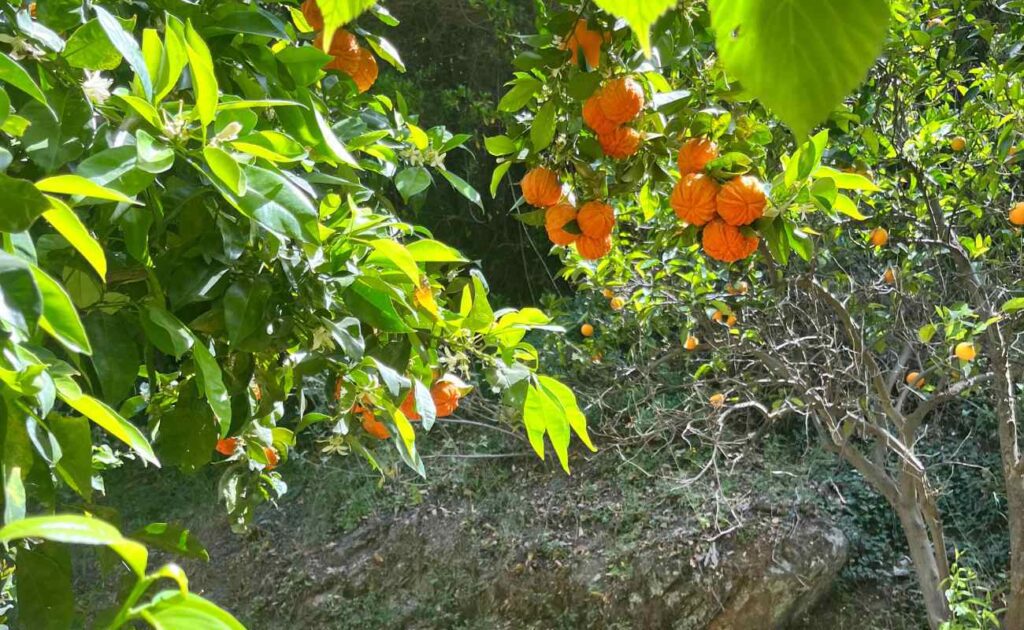
Endless citrus trees will amaze you with fruits of bizarre shapes and big sizes. Not just oranges, lemons, or clementines, but also lime, kitron, kumquat, Buddha’s hand, finger lime, sunkuat, and many more.
Did you know that citrus made their way into Greek mythology? At the Botanical Park, I also learned that citrus fruits were a wedding gift the Earth (Gaia) gave to the gods Zeus and Hera.
The Tropical Garden
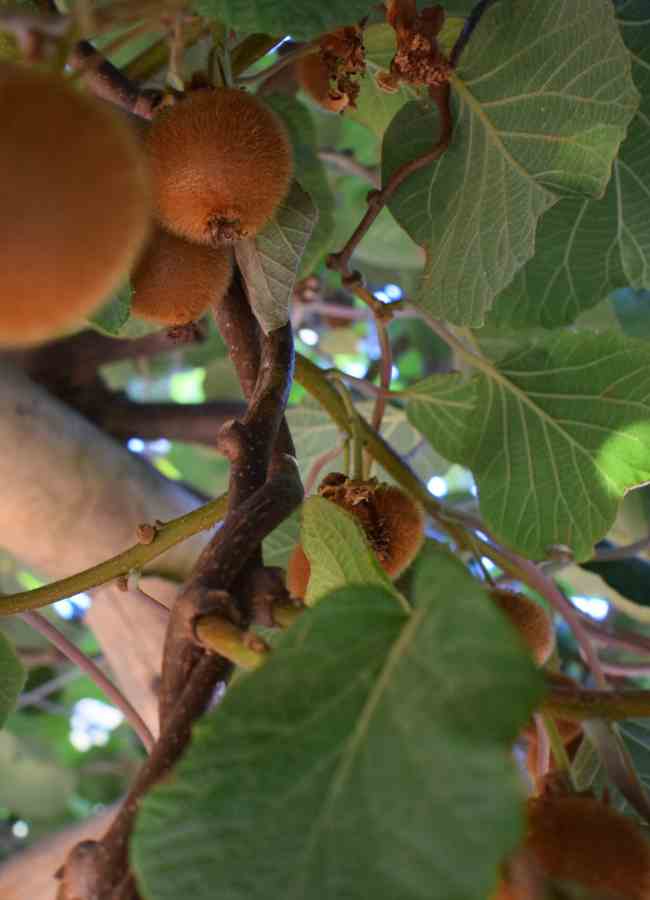
Thanks to Crete’s perfect Mediterranean climate, several tropical fruits grow without any limit on the island. Especially on the southern coast of Crete, you can taste delicious avocados, kiwis, and bananas.
And when you visit Crete, buy the local, small bananas in the public market or any supermarket. They are super sweet and have a delicious taste. They are addictive!

The Animals
Since we entered the garden and started walking towards what the park calls the lake (it’s more of a pond), we found turkeys and peacocks all along the way. They would walk along the way with you or simply sit under the sun without paying any attention to you.
There are wild birds, farm animals, native species, and even a butterfly garden!

Other Things to See in the Botanical Park and Gardens of Crete
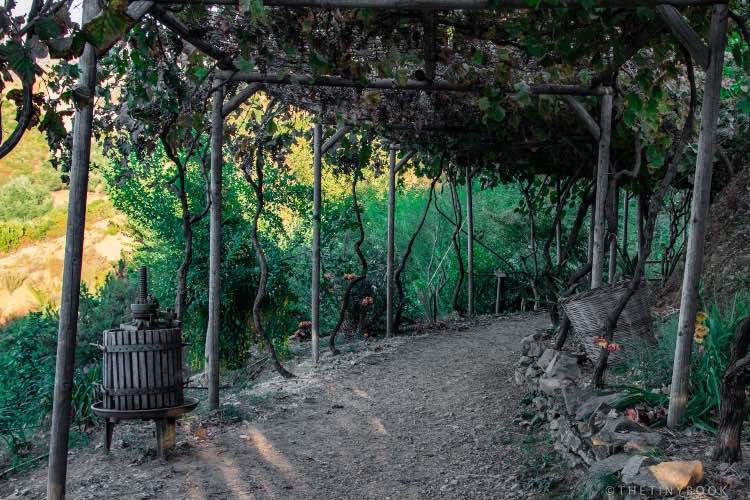
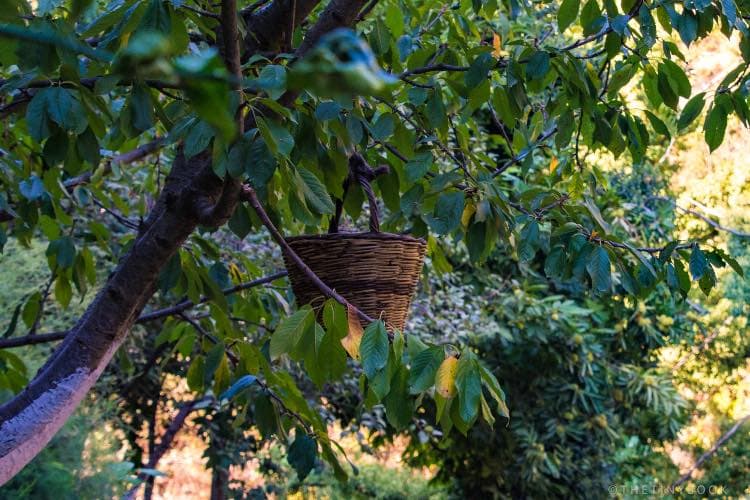
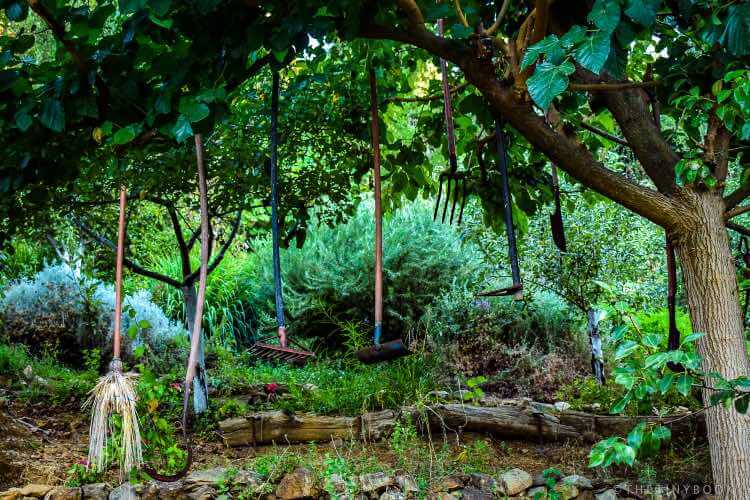
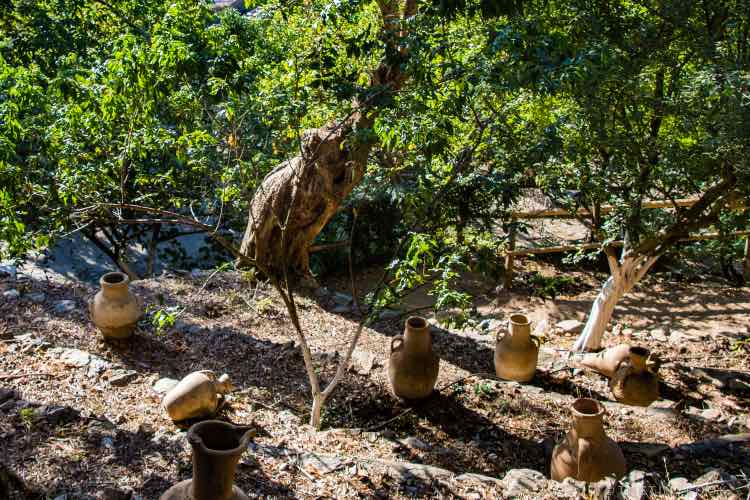
All along the walk, you will encounter bizarre sculptures and decorations made with local elements from the world of gardening and agriculture. The ones in the photos are a few of the ones we found on our way.
Eat at the Botanical Park of Crete: The Restaurant
Have lunch, an early dinner (the restaurant kitchen opens at 6 pm, but you can have snacks and drinks after that time), or even a snack surrounded by the magnificent mountainous landscape of the area.
The restaurant serves food prepared with organic fresh products outsourced from the garden, and everything is delicious. Besides, if you’re a vegetarian, there are plenty of choices!
I recommend…
- Ksanigo (lamb liver with wine and rosemary).
- White Mountains (fennel pies with staka and mint).
- Glako (lamb braised for 12 hours with aged local wine – marouvas – sauce, and wild greens).
And for a quick snack in summer, do try the ice cream!
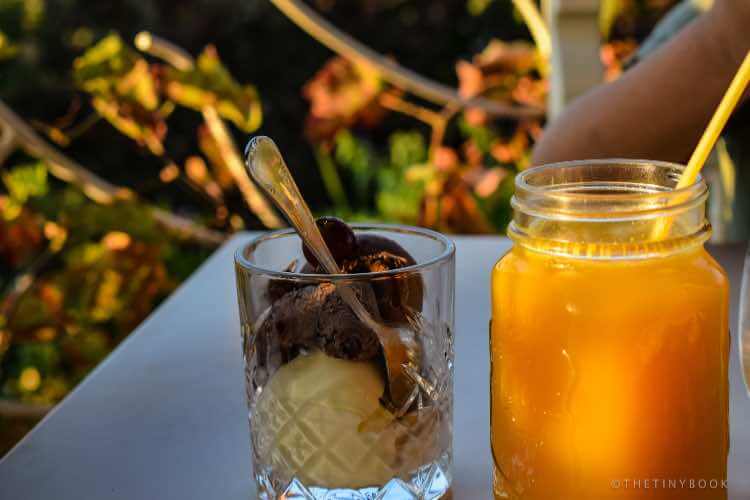
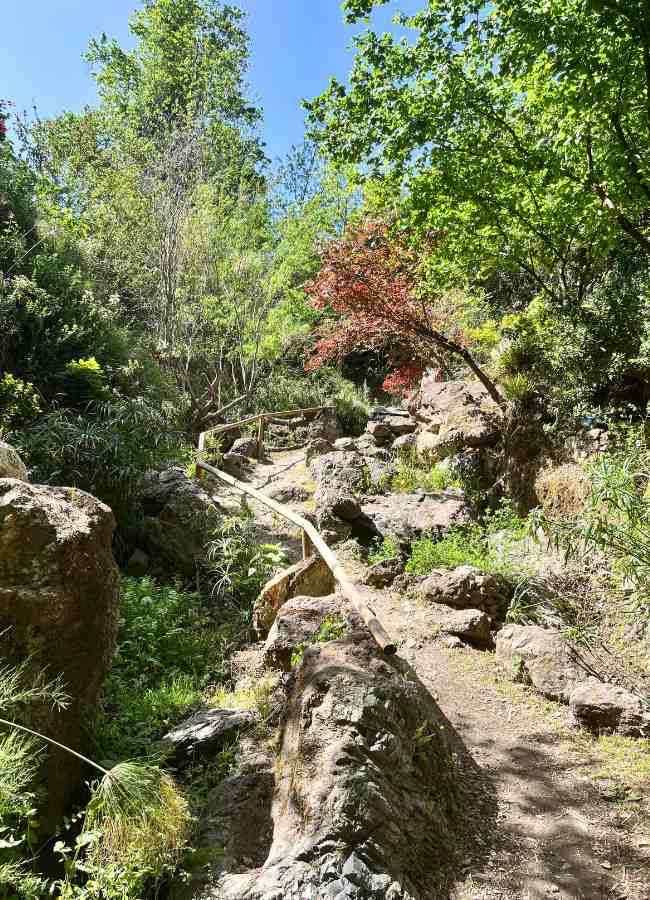
Visit the Botanical Garden with Me!
- Join me on a 3-hour hike around Crete’s magnificent Botanical Park and Gardens.
- Take amazing photos, discover unique species, and enjoy a day in the mountains!
- Taste a delectable lunch, drinks, or tantalizing Cretan appetizers grown in the gardens!
- Top it off with a stop at Chania’s Lake Agia for coffee and homemade cake!
Photo Gallery
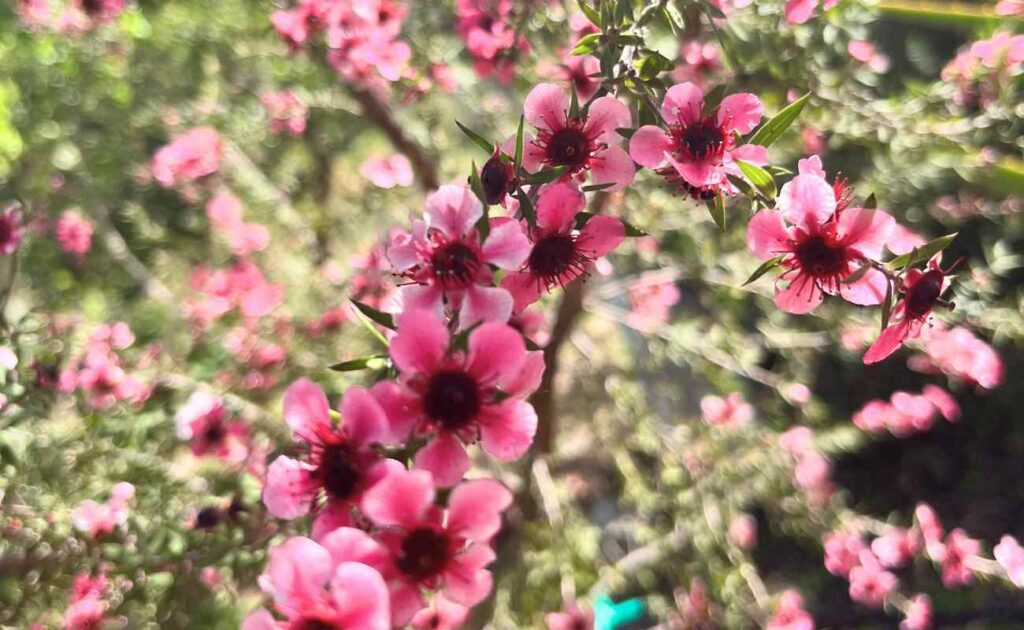
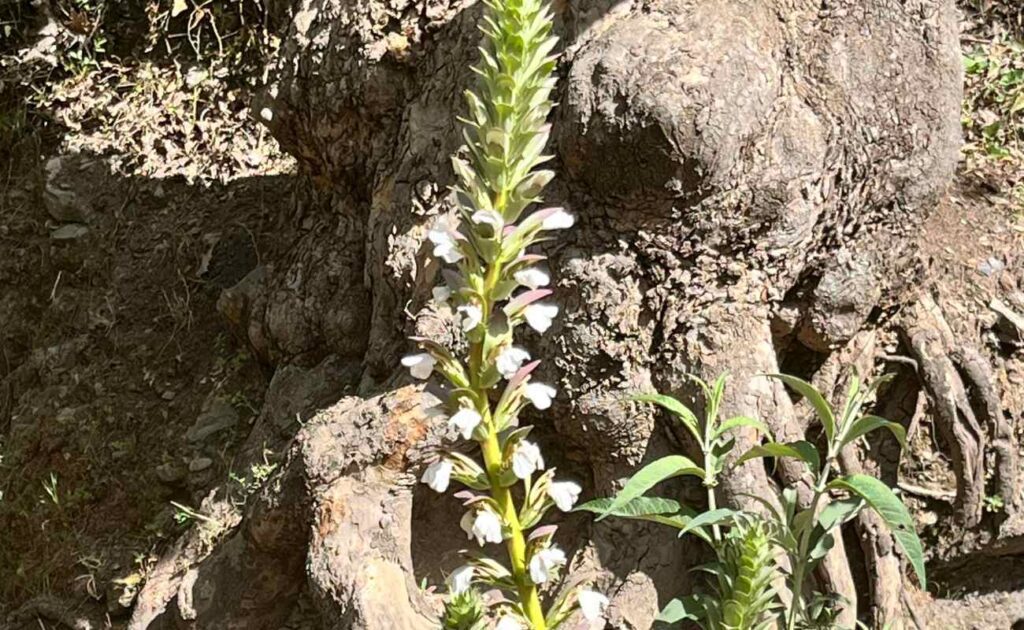
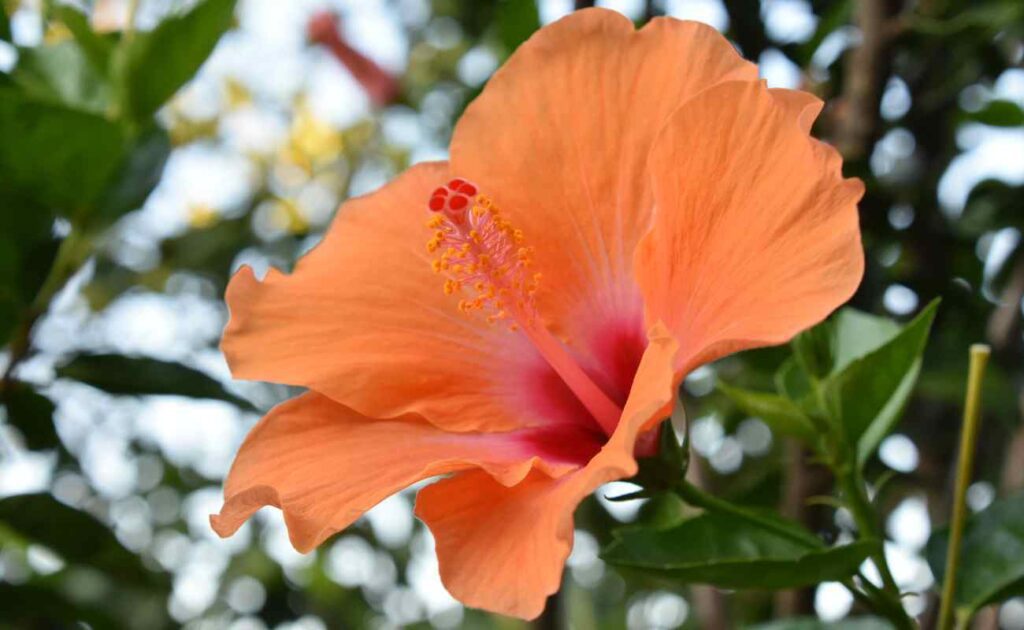
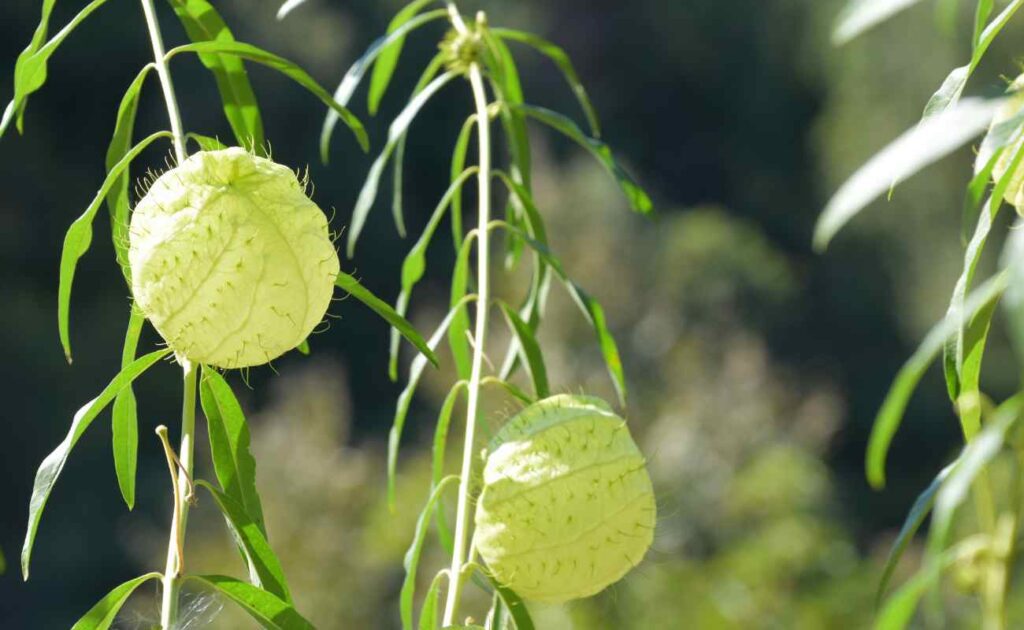
Every time I visit the Botanical Park and Gardens I take dozens and dozens of photos, here are some of my favorite ones!


Are you visiting Crete Soon?
Join my Facebook group for more tips, or plan your Crete itinerary with me!
Don’t Leave Before You Pin!
Botanical Park and Gardens in Chania


Gabi, the Crete Insider
Hi, I’m Gabi — your go-to local expert in Crete! I’ve been living in Chania, Crete since 2016, and I’ve turned my love for the island into a full-time passion — guiding travelers, writing for travel media, and curating local experiences.
I co-authored DK Eyewitness Top 10 Crete and other guides. I run the blogs The Tiny Book, Greece Planner, and My Cretan Recipe. Through this platform I help travelers design unforgettable trips to Crete.


