

Entrance Fee Hikes: What What You Need to Know About Visiting Crete’s Archaeological and Natural Sites
It’s been already a year since Crete has seen a significant rise in entrance fees for many archaeological sites and natural attractions. This follows a revised ticketing policy implemented by the Greek Ministry of Culture, aiming to increase funding for the maintenance and protection of Greece’s rich cultural heritage. The scale of the increases has sparked concern and confusion among tourists and locals. Learn about the details in this post, that focuses on Crete’s most visited sites.
📍 Must-do: Balos Cruise 📍 Knossos Palace 📍 Check rental car rates for Crete 🚗
For visitors planning their itinerary, understanding the updated pricing structure has become an essential part of trip preparation.
Ticket costs now vary more clearly by season, with different rates applying in peak and off-peak months, and certain discounts or combined tickets adjusted accordingly. While the changes may initially come as a surprise, they also reflect a broader effort to preserve archaeological treasures and improve visitor infrastructure across the island.
In the following guide, we break down what these updates mean in practical terms — which sites are affected, how much you can expect to pay, and how to plan your visits wisely so you can make the most of your time in Crete without unexpected expenses.
The Revised Ticketing Policy for Greece’s Cultural and Natural Heritage Sites

In early 2025, the Greek government announced a broad revision of ticket prices for archaeological sites, museums, and protected natural areas across the country. The main goal is to boost revenue for conservation, restoration, and improved visitor services.
While entrance fees had remained mostly stable for years, inflation, increased maintenance costs, and the need for enhanced infrastructure have driven this update.
The policy is part of Greece’s commitment to safeguarding its immense historical and natural treasures while balancing the demands of a growing tourist sector. However, the updated prices have not been uniform; rather, they vary widely depending on the site’s significance, visitor numbers, and operational costs.
Five Categories: A New System for Site Admissions

As from 2025, there’s a simplified, five-category system for pricing admissions. This new structure sets standard year-round fees based primarily on annual visitor numbers.
The categories are:
- Category A: Exclusive to the Acropolis of Athens, with a flat admission fee of €30.
- Category B: Sites and museums with more than 200,000 annual visitors, priced at €20.
- Category C: Locations with 75,000 to 200,000 visitors per year, charging €15.
- Category D: Sites attracting between 15,000 and 75,000 visitors annually, costing €10.
- Category E: Less-visited sites with fewer than 15,000 visitors, set at €5.
This new framework aims to align fees with visitor traffic (and operational costs). Yet, it has led to substantial price jumps for many popular destinations.
Several key sites demonstrate the impact of this categorization, showing price increases ranging from moderate to significant:
- The Acropolis moved from a seasonal pricing of €20 (high season) and €10 (low season) to a flat €30 year-round — a 50% increase from summer rates and triple the previous winter rate.
- The Palace of Knossos, Crete’s most famous archaeological site, increased from €15 to €20.
- The Temple of Olympian Zeus in Athens, Palamidi Fortress in Nafplio, and the Spinalonga fortress in Crete all saw 150% rises, moving from €8 to €20.
- Museums like the Archaeological Museum of Chania on Crete doubled or more than doubled their fees from €6 to €15.
The sharp increases have surprised many of us!
Focusing on Crete: The Island’s Pricier Attractions
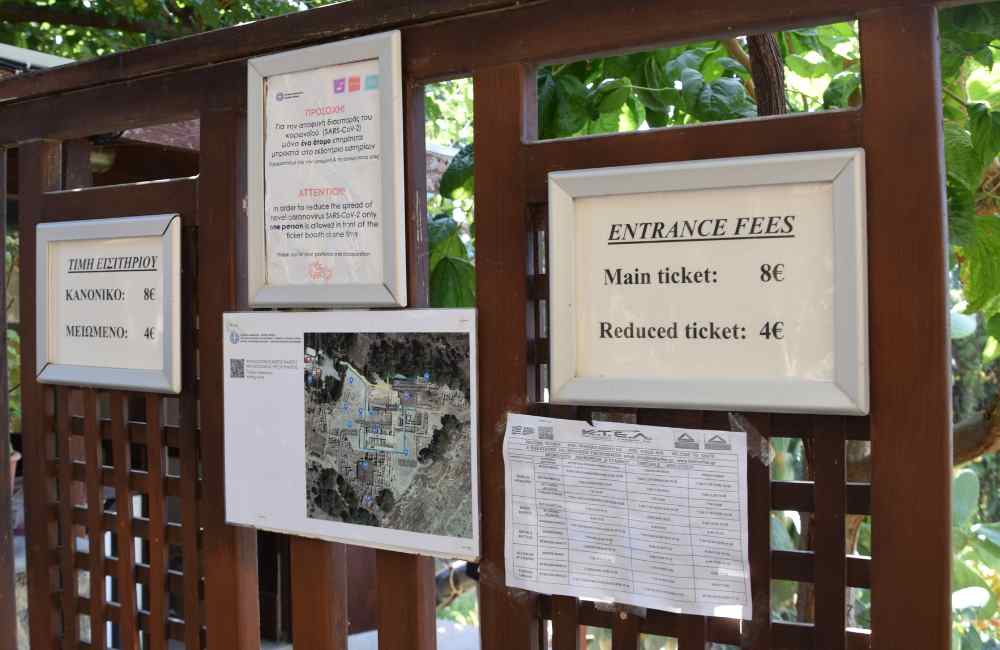
Crete is known for its ancient Minoan palaces, Byzantine ruins, Venetian forts, and stunning gorges. These sites attract millions of visitors annually, making them central to the island’s tourism economy.
Knossos Palace
The second-most visited site in the country, Knossos, saw its ticket price increase from €15 to €20, a 33.3% rise. According to official sources, the increased fee is aimed at supporting ongoing excavations, preservation efforts, and visitor amenities.
Spinalonga Island
This small island fortress off the coast of Elounda is one of Crete’s most popular day trips, famous for its role as a leper colony. Tickets jumped dramatically from €8 to €20, a staggering 150% increase.
Gortyn (Gortyna) Archaeological Site
The ancient city of Gortyn, a key historic site with its famous law code inscriptions, now charges €10 instead of the previous €4, a 150% hike.
Phaistos
The Minoan palace of Phaistos, second only to Knossos in fame, saw prices climb from €8 to €15, almost doubling its fee.
Dikteon Cave (Zeus Cave)
Dikteon Cave, the legendary birthplace of Zeus, introduced a new entrance fee of €15, where previously the fee existed was minimal.
Important Update on Ticketing Policies
Two major structural changes have taken effect that significantly impact visitor costs and planning:
- End of Seasonal Discounts: The previous 50% winter low-season discount (Nov 1 – Mar 31) has been abolished. All sites now charge a single, year-round price based on their category, effectively doubling off-season ticket costs for standard adult admissions.
- Discontinuation of Multi-Site Combination Tickets: As of April 1, 2024, popular combo tickets have been discontinued for most sites where e-ticketing operates. For example, the convenient 3-day pass granting access to both Knossos and the Archaeological Museum of Heraklion for only €16 is no longer available. Visitors must now purchase separate tickets for each location.
These changes affect those planning to explore multiple sites in Crete, increasing costs and complicating itinerary planning. It’s important to check current ticketing options before your visit.
Natural Sites: New Fees for Crete’s Iconic Gorges

Crete’s dramatic landscapes are as much an attraction as its ancient ruins. The island’s gorges and trails are popular among hikers. These sites have also seen fee increases as part of the new policy.
Samaria Gorge
One of Europe’s longest gorges and Crete’s most famous natural site, Samaria Gorge doubled its entry fee from €5 to €10 for adults. This increase supports trail maintenance, safety measures, and environmental protection. Certain groups, including EU residents, children, and locals, often qualify for discounted or free entry.
Imbros and Richtis Gorges
Other well-known gorges like Imbros and Richtis also implemented or increased fees modestly, generally charging around €3 to €5 to help fund conservation work.
Kourtaliotis Gorge
Here, prices are €5 for a single-day ticket, reflecting the growing importance of protecting this natural area from over-tourism and environmental degradation.
What This Means for You

The sudden rise in prices has caught many travelers off guard, especially those planning multiple site visits. While €5 to €10 might seem reasonable for some locations, the steep increases—especially at sites like Spinalonga—have led to frustration.
For families, budget travelers, and those on extended tours, these changes require recalculating trip expenses. Many visitors express concerns that higher fees might deter them from visiting important cultural and natural attractions.
Although, Crete Insider understands that entrance fees are essential for preserving these irreplaceable sites, funding vital conservation projects, enhancing visitor infrastructure, supporting research, and ensuring safety, surprise still remains.
🗓️ Want to Visit More Without the Hassle?
Avoid wasted time and unexpected costs — let a local expert design a tailored itinerary that maximizes your visits and fits your interests perfectly.
📅 Plan Your Trip EfficientlyPractical Advice for Planning Your Visit
- Always check official websites or contact visitor centers before your trip to confirm current ticket prices, as they may vary seasonally or due to special events.
- Look for combined tickets or passes, which can offer savings if you plan to visit multiple sites on Crete.
- Consider guided tours or local travel agencies, some of which include entrance fees and may provide better value.
- Take advantage of discounts or free entry days, often available for EU residents, students, seniors, and children.
- Plan your itinerary carefully to prioritize must-see locations and avoid last-minute surprises.

Crete’s fee increases reflect a broader national trend. Across Greece, archaeological sites, museums, and natural parks are adjusting prices. It remains to be seen whether these increases will impact tourism flow, even when preserving Greece’s heritage is a high priority.
The entrance fee increases for Crete’s archaeological and natural sites mark a significant change for travelers demanding from them wiser planning and budgeting.
✈️ Not Sure How to Fit It All In?
Let’s make your Crete trip stress-free! A local expert can map out the perfect itinerary based on what you love — no generic plans here.
🗺️ Let’s Plan Together
Are you visiting Crete Soon?
Join my Facebook group for more tips, or plan your Crete itinerary with me!

Gabi, the Crete Insider
Hi, I’m Gabi — your go-to local expert in Crete! I’ve been living in Chania, Crete since 2016, and I’ve turned my love for the island into a full-time passion — guiding travelers, writing for travel media, and curating local experiences.
I co-authored DK Eyewitness Top 10 Crete and other guides. I run the blogs The Tiny Book, Greece Planner, and My Cretan Recipe. Through this platform I help travelers design unforgettable trips to Crete.
🚘 THE BEST WAY TO SEE CRETE IS BY CAR 🚘
Compare international car companies in Crete, or trust a reliable local company like Retyhmnon Cars.


