50 Things to Do in Crete That Will Make You Fall in Love with the Island!
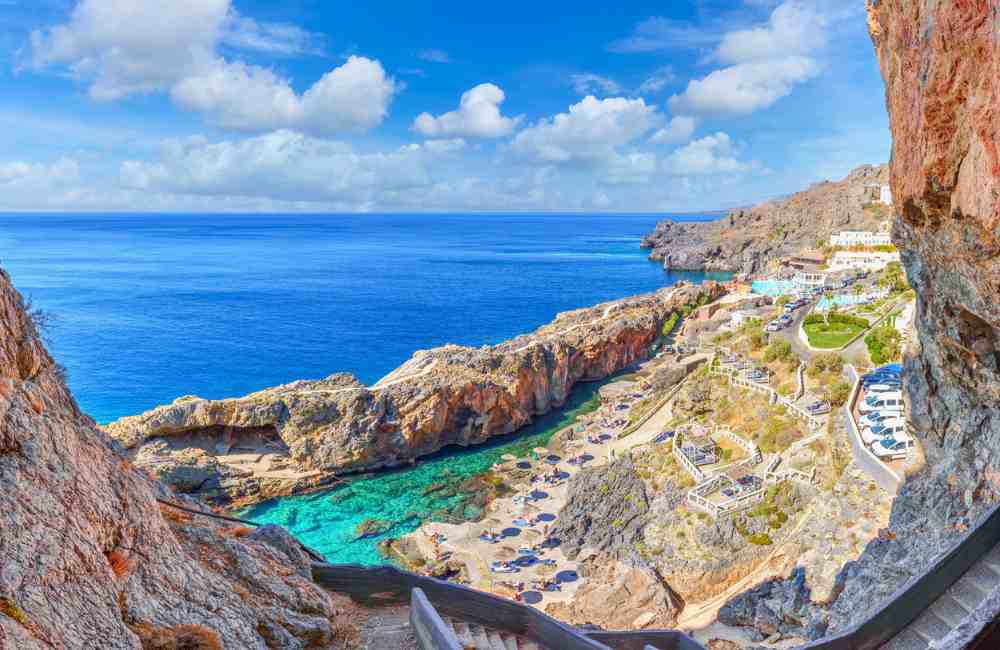
In this guide, you’ll find 50 things to do in Crete, organized by region—Chania, Rethymno, Heraklion, and Lasithi—so it’s easier to explore without bouncing all over the map. Some experiences are iconic, others are simple and local, but all of them show a different side of the island.
📍 Must-do: Balos Cruise 📍 Knossos Palace 📍 Check rental car rates for Crete 🚗
Crete is one of those places where you arrive with a plan… and quickly realize it’s not going to be enough. The island is big, wildly diverse, and packed with things to see and do, no matter what kind of traveler you are.
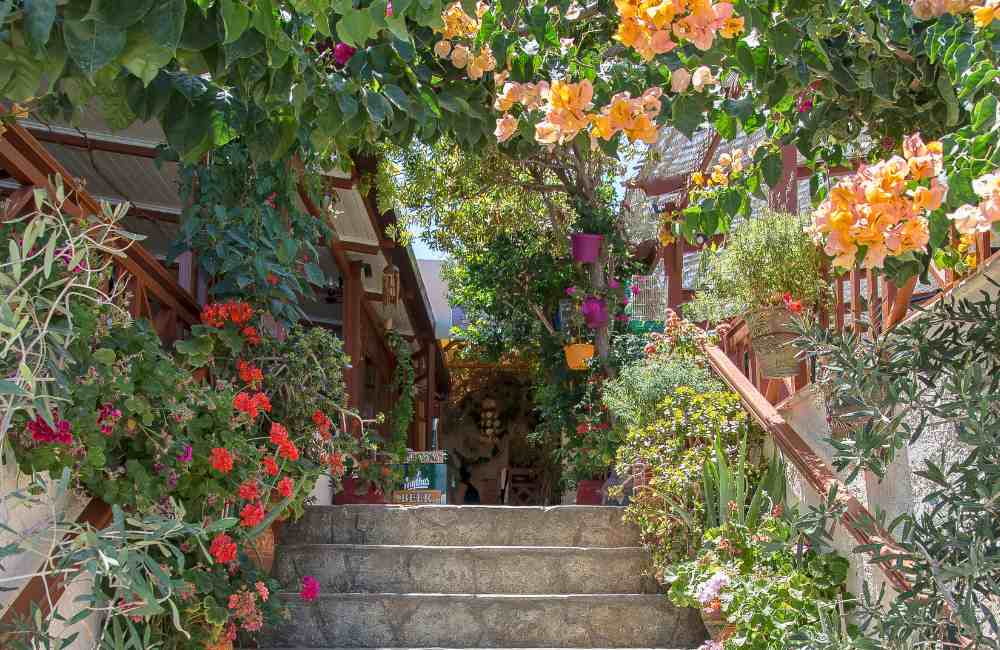
History buffs can wander ancient ruins, nature lovers can hike dramatic gorges, foodies can follow the scent of fresh bread and local cheeses, adventurers can dive into watersports or explore hidden villages, and anyone in need of rest can spend their days on sandy beaches.
The tricky part? Crete delivers.
The only real problem? There’s so much to do that choosing what to fit into one trip might be the hardest part.
50 Things to Do in Crete — From Someone Who Actually Lives Here
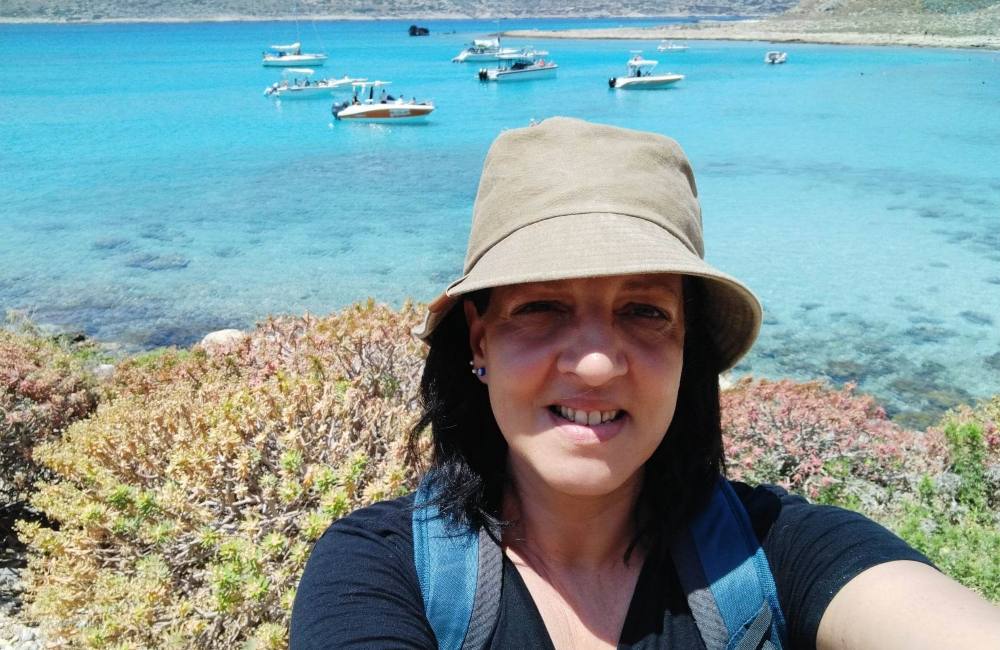
I’ve lived on Crete long enough to know it’s impossible to pick just a few things to do. That’s why this guide has 50 of my favorite experiences, from the spots I discovered as a tourist to the hidden gems I now visit as a local.
Crete isn’t just Greece’s largest island—it’s a place that sneaks under your skin. Living here has let me dive deeper than any guidebook ever could, from secret beaches and quiet villages to the best tavernas and local festivals.
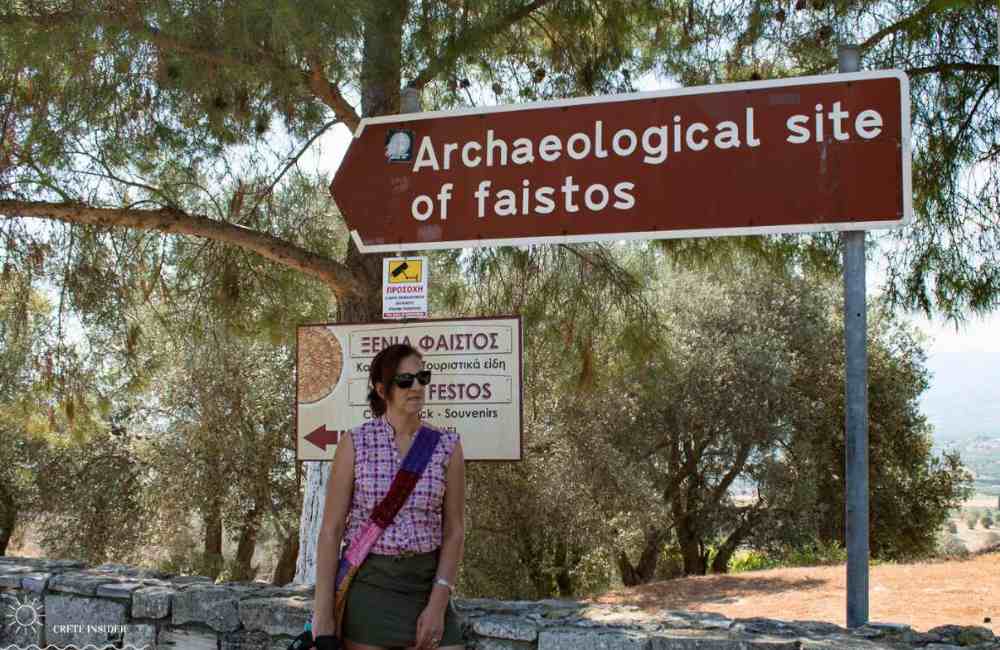
This isn’t a random list of “must-sees.” It’s a local’s guide to Crete, full of real, tested experiences that I love and that you shouldn’t miss. Trust me: once you start exploring, you’ll see why I can’t stop adding to this list.
How to use this guide
I’ve split this guide into five sets of 10 things to do in Crete to make exploring the island easy.
Start with the top 10 things to do in Crete—the must-see experiences you can hit across the island in a couple of weeks. Then dive into the region-by-region lists: 10 in Chania (my home turf), 10 in Heraklion, 10 in Rethymno, and 10 in Lasithi.
There’s way more to discover, so I’ve got full regional guides too if you want the deep dive:
Short on time? Stick to the first 10. Want a full week or two on the island? Mix and match mini-itineraries: a few days in each region, a few of your favorite spots, and you’ll see the best of Crete without rushing.
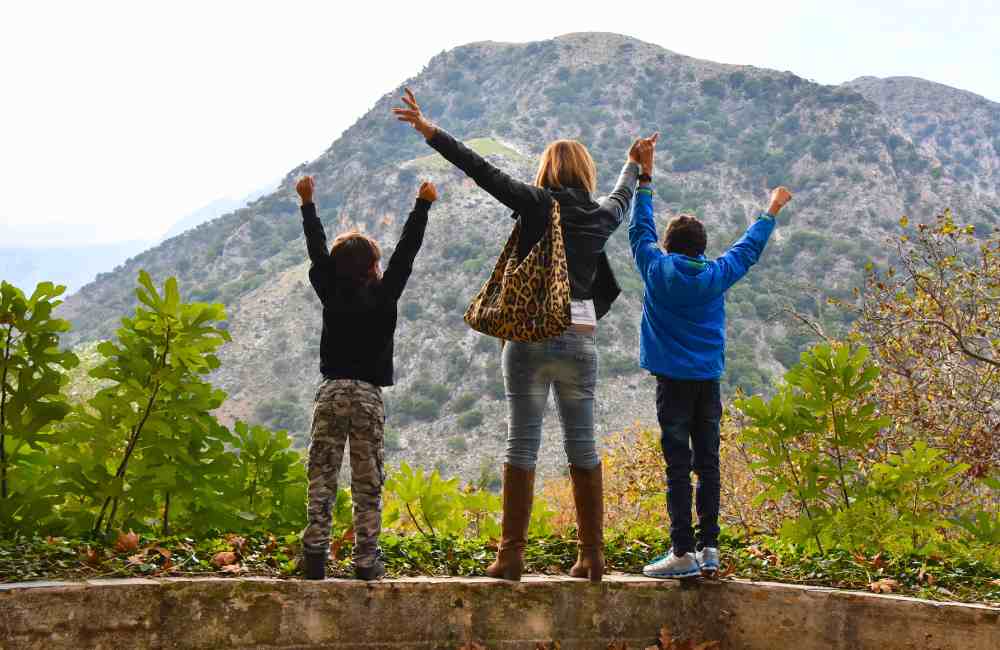
Crete’s top ten: 10 things that you must do in Crete
These are the most popular places to see on the island, and you should include at least a few of them during your time here. Take a look!
1. Ancient Minoan Civilization
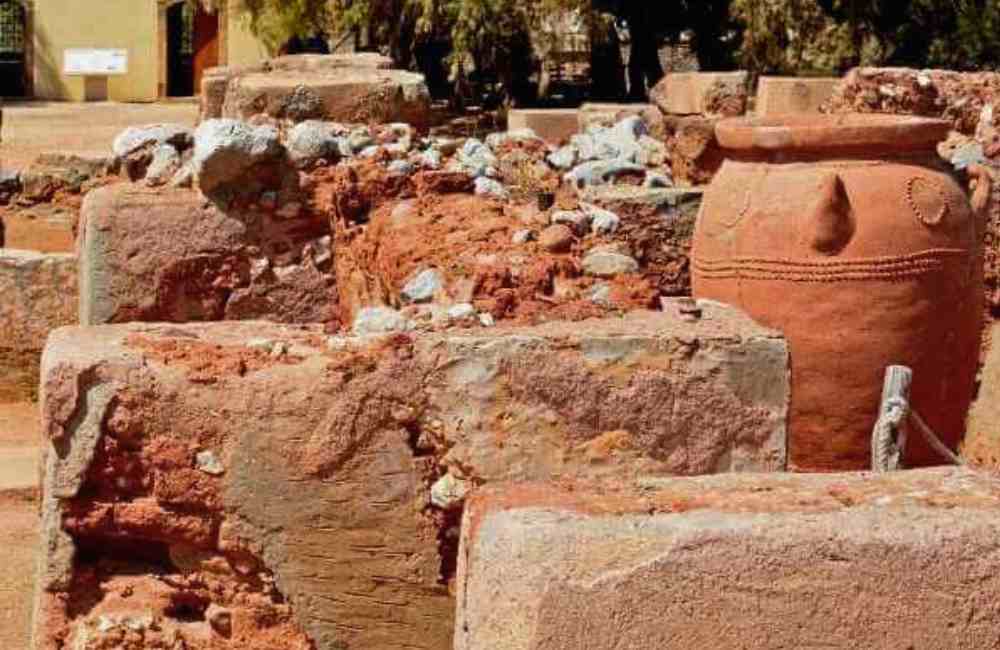
Crete was the heart of the ancient Minoan civilization, one of Europe’s earliest advanced cultures, and a place steeped in myth and fascinating stories. Walking through sites like the palace at Knossos near Heraklion or Ancient Malia, you can see ruins that reveal how sophisticated life was here thousands of years ago.
The island’s history doesn’t stop with the Minoans. From Hellenistic and Roman ruins to remnants of Byzantine, Venetian, and Ottoman rule, Crete is a living tapestry of civilizations. Visiting archaeological sites, museums, or even wandering old towns lets you connect with this past while understanding how it shaped the island’s culture and traditions.
2. Crete’s Southern Coast
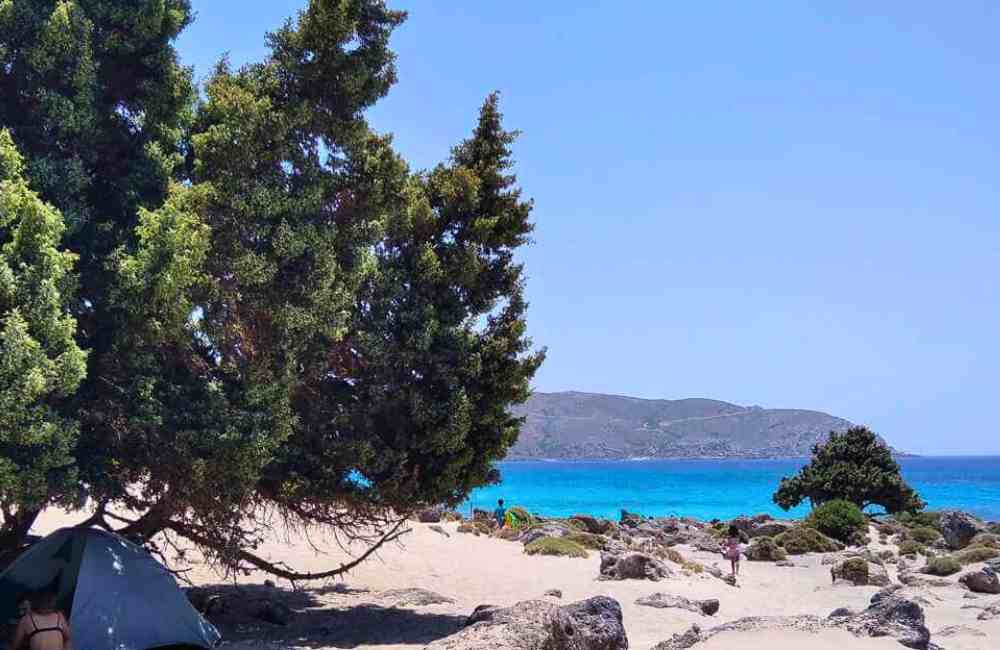
If you want stunning beaches without big crowds, head south. Crete’s southern coast faces the Libyan Sea and is home to some of the island’s most spectacular—and often secluded—beaches. This stretch of coastline feels like a world apart from the busy northern resorts.
Some beaches, like Preveli or Elafonisi, are well-known, while others are hidden and only a few travelers ever find. Hiking paths, boat trips, or a simple drive on winding coastal roads can lead you to pristine spots where it’s just you, the sea, and the sun.
Visiting the southern coast is a full experience of Crete’s natural beauty and sense of escape. If you’re planning a trip, these beaches should definitely make your list of must-dos.
3. Crete’s Beaches
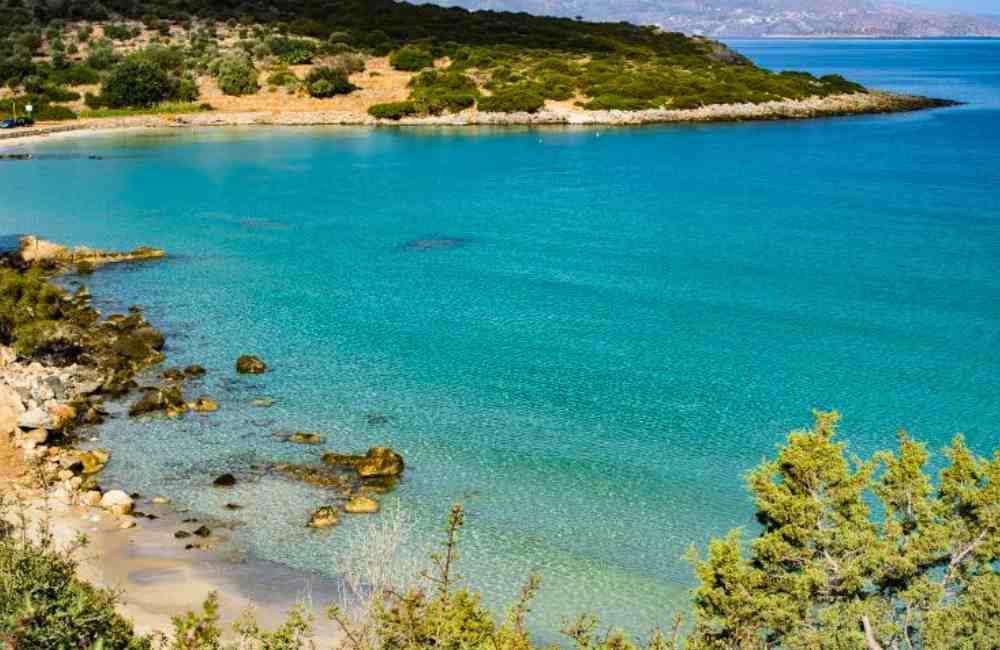
Crete is famous for its beaches—but don’t stop at Balos or Elafonisi just because everyone else goes there. Sure, they’re stunning, but the island is packed with hidden gems waiting to be explored.
My advice? Go beyond the postcards. Head to the south and east coasts for quieter coves, crystal-clear waters, and dramatic landscapes. Check out the rugged beauty of the Akrotiri Peninsula, or find a nudist-friendly beach if that’s your style. Traveling with kids? Crete has plenty of family-friendly beaches with shallow waters and safe swimming spots.
Crete’s beaches are an essential part of island life. Swimming, sunbathing, or exploring hidden coves—spending a day at a Cretan beach should be on every visitor’s list.
4. Islands Off Crete
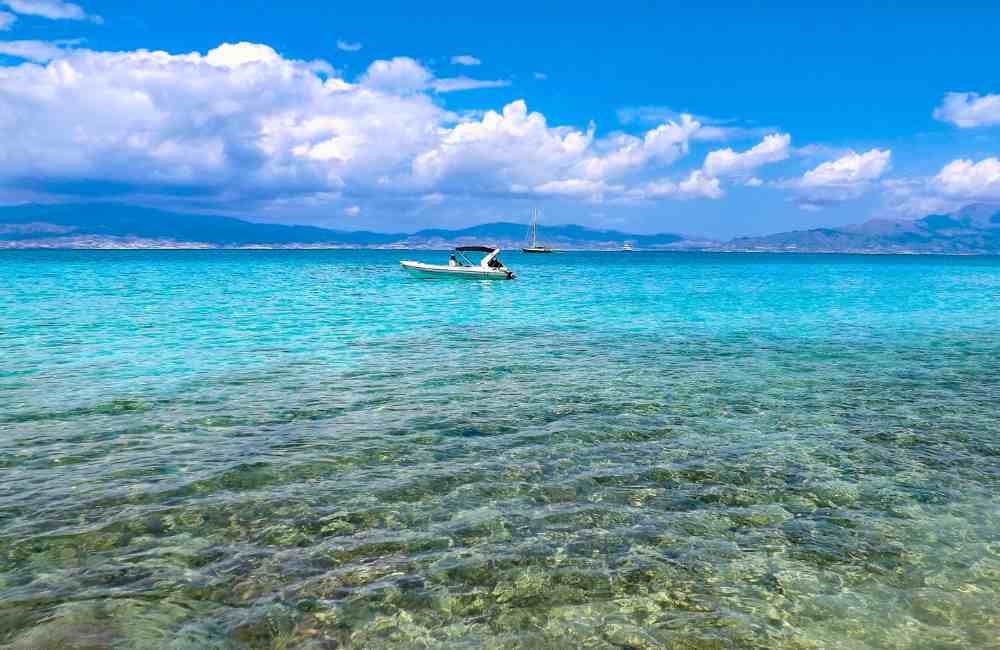
Crete isn’t just an island—it’s surrounded by tiny islands waiting to be explored. And a boat trip to one of them is a perfect way to spend a day, swim in crystal-clear waters, and escape the crowds. On the southern coast, the uninhabited Koufonisi and Chrissi islands offer pristine beaches and untouched landscapes—perfect for a day of swimming, sunbathing, and total relaxation.
Further west, Gavdos—Europe’s southernmost point—is a unique spot in the Chania region, closer to Africa than mainland Greece. Its wild, empty beaches make it a truly unforgettable experience.
Up north, off Heraklion, Dia Island is easy to reach from Heronissos or Agia Pelagia and perfect for snorkeling. Near Elounda, Spinalonga combines history and scenery, famous for its Venetian fortress and role as Greece’s last leper colony.
Finally, near Chania, a boat trip to Imeri Gramvousa pairs perfectly with a visit to Balos Beach, letting you combine adventure, history, and some of Crete’s most stunning scenery.
5. Cretan Raki
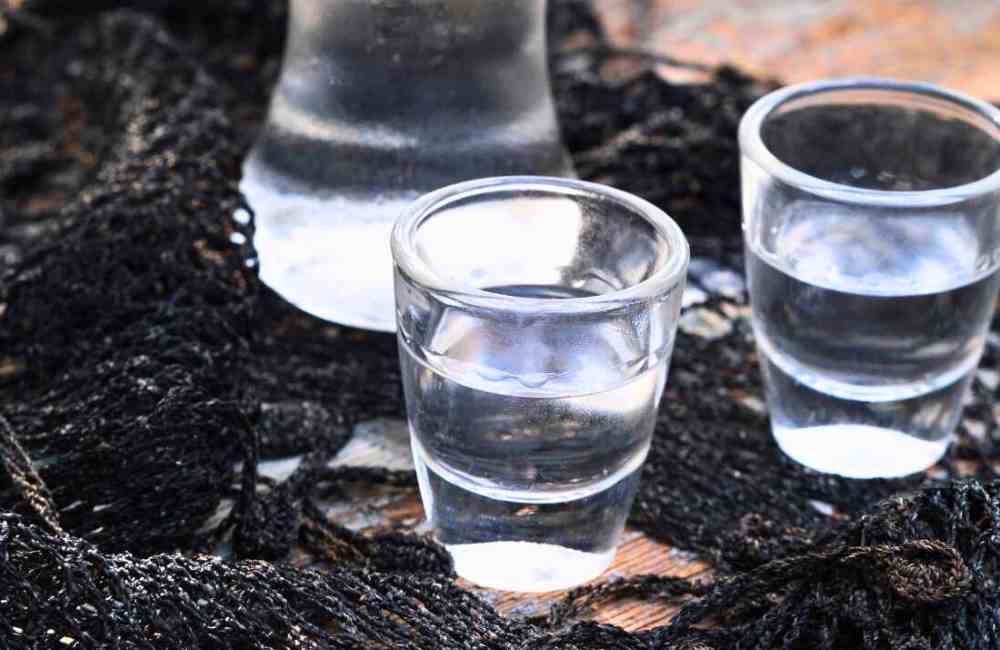
No trip to Crete is complete without making a toast with raki—the island’s iconic spirit. Known locally as tsikoudia, it’s a strong, clear drink produced in villages across the island and served before or after a meal—or sometimes both!
Raki is Cretan hospitality in a glass, a way locals welcome visitors, celebrate life, and say “thank you” without words. Chances are, even if you don’t plan on it, you’ll end up sharing a shot (or two) with friends, locals, or fellow travelers—it’s just part of the Crete experience.
Curious about how it’s made, the legends behind it, and the traditions surrounding it? Check out our full guide to Cretan raki—it’s a story as rich as the drink itself.
6. Outdoor Adventures
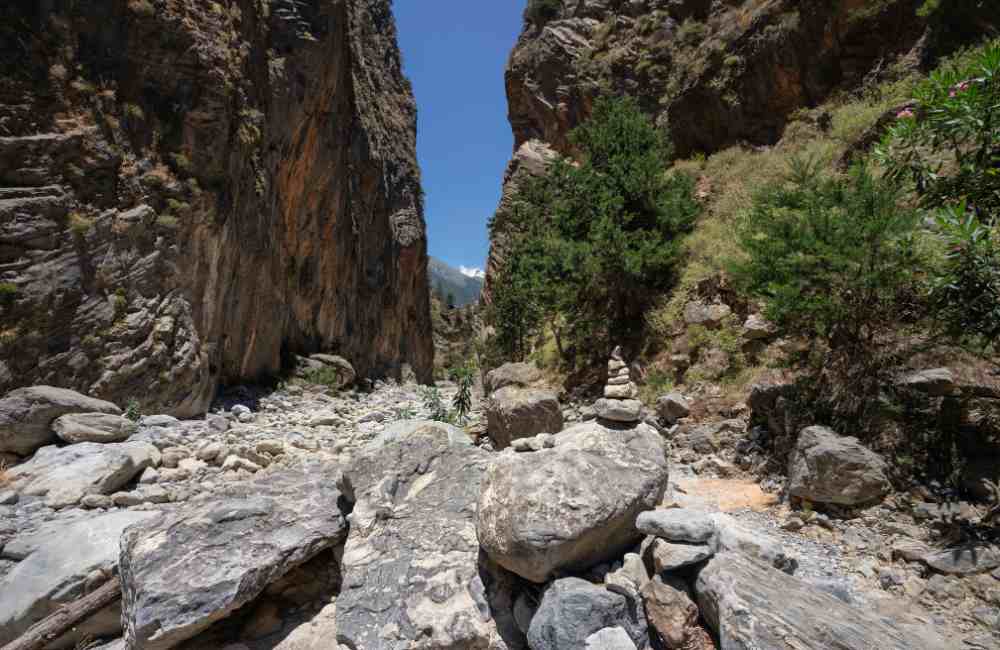
Crete isn’t just about beaches. With three mountain ranges averaging 2,400 meters, deep gorges, plateaus, rivers, waterfalls, and valleys, there’s no shortage of terrain to explore.
Hiking is a must—Samaria Gorge alone is one of Europe’s longest and most epic trails, but there are countless other ravines for every level. For thrill-seekers, Crete also offers rock climbing, canyoning, bungee jumping, and even horseback adventures through stunning landscapes.
The island’s water playground is just as impressive. You can try kayaking, windsurfing, paddleboarding, or dive into the underwater world with snorkeling and scuba diving. Crete is the perfect place to get your heart racing while taking in some of the island’s most spectacular scenery.
7. Cretan Cuisine
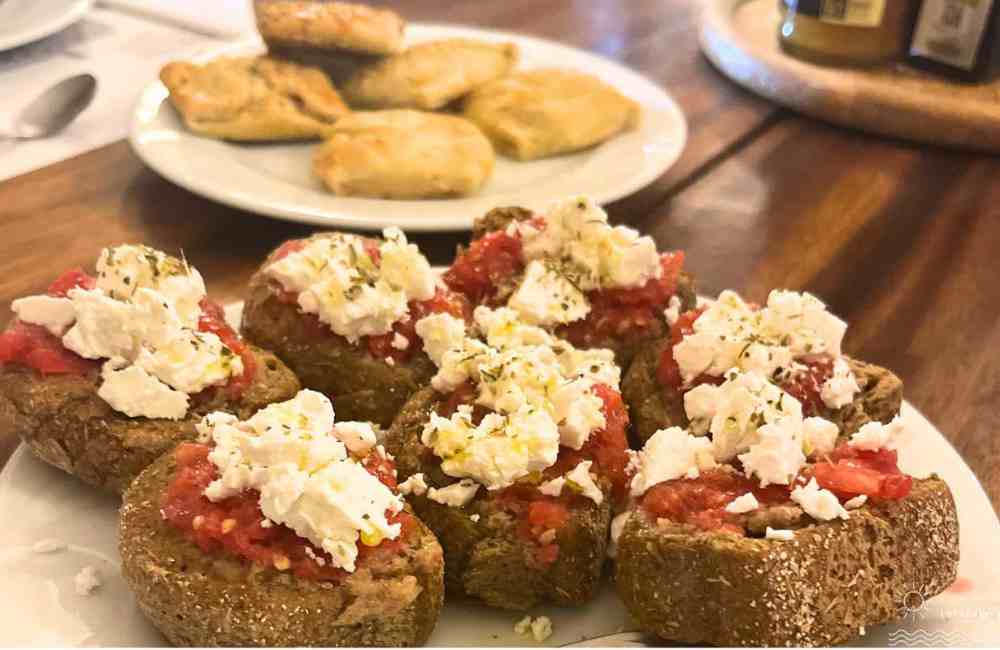
Crete is the birthplace of the famous Cretan diet, known for being healthy, fresh, and unbelievably tasty. Almost everywhere you go, you can find dishes made with seasonal, local ingredients—from crisp greens and ripe fruits to cheeses, yogurt, pulses, and, of course, extra virgin olive oil.
Even fast food like gyros here feels fresher and lighter than you’d expect.
What makes Cretan cuisine truly special isn’t just the food—it’s the way it’s eaten. Meals are meant to be shared, turning every lunch or dinner into a social experience. Simple, fresh ingredients combine with good company, laughter, and long conversations, making every bite taste better. Eating in Crete is a celebration of life, culture, and connection.
8. Small Hidden Villages
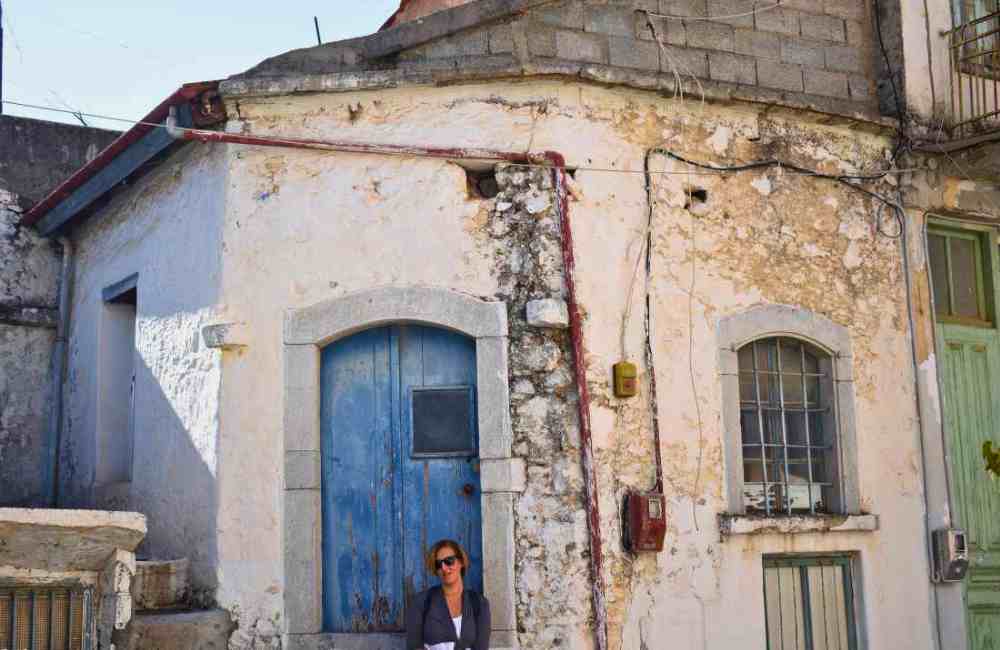
The real heart of Crete isn’t always on the beaches—it’s tucked away in the island’s small villages. Driving through winding roads and stopping without a plan is often the best way to discover authentic Cretan life. And when you do, pop into a local kafenio for a cup of Greek coffee, a shot of raki, and some lively conversation with the locals.
Some villages are well-known tourist spots, but many remain quiet and almost forgotten, untouched by the crowds. These are the places where traditions, festivals, and daily rituals feel unchanged, where life moves at a slower pace.
The best part? You don’t need a map—sometimes getting a little lost is the only way to find a charming hidden village.
9. Cretan Monasteries
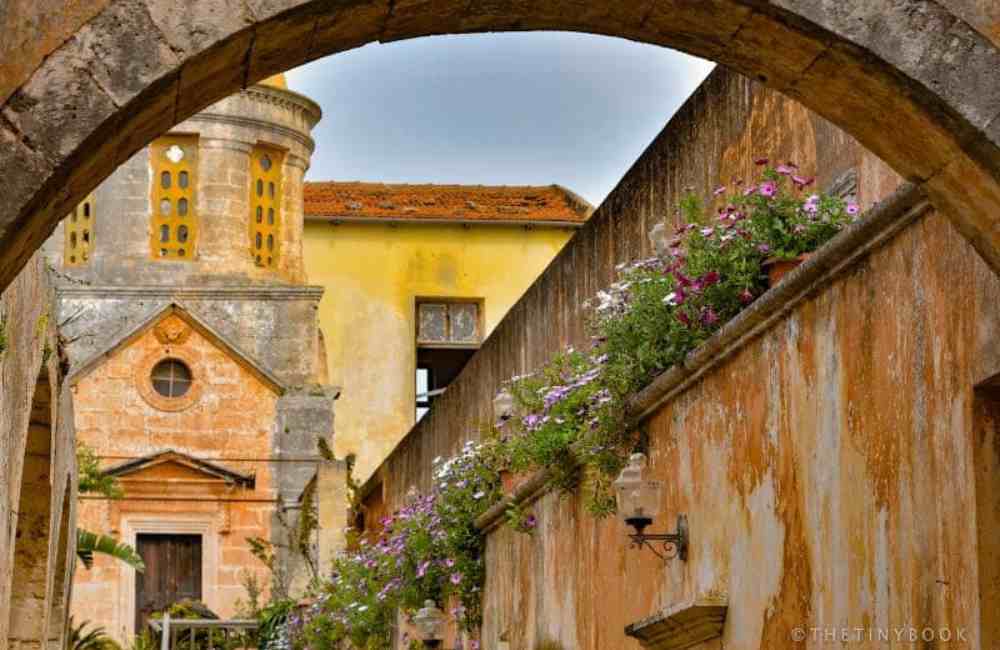
Crete’s monasteries aren’t just beautiful—they’re living pieces of history. For centuries, they stood as centers of faith, culture, and resistance, supporting locals during the Ottoman rule and even the Nazi occupation in World War II.
Many of these historic monasteries are hidden high in the mountains, tucked behind fortified walls and perched in strategic spots with breathtaking views of the sea or valleys below. Their locations weren’t chosen by chance—monasteries often doubled as lookout points to protect the island from pirates or invaders.
Admire their incredible architecture and soak in peaceful surroundings that feel worlds away from the busy beaches. Even a short stop leaves a lasting impression.
➜ Still curious? Good. That means you’re going to enjoy these:
10. Cretan Wine
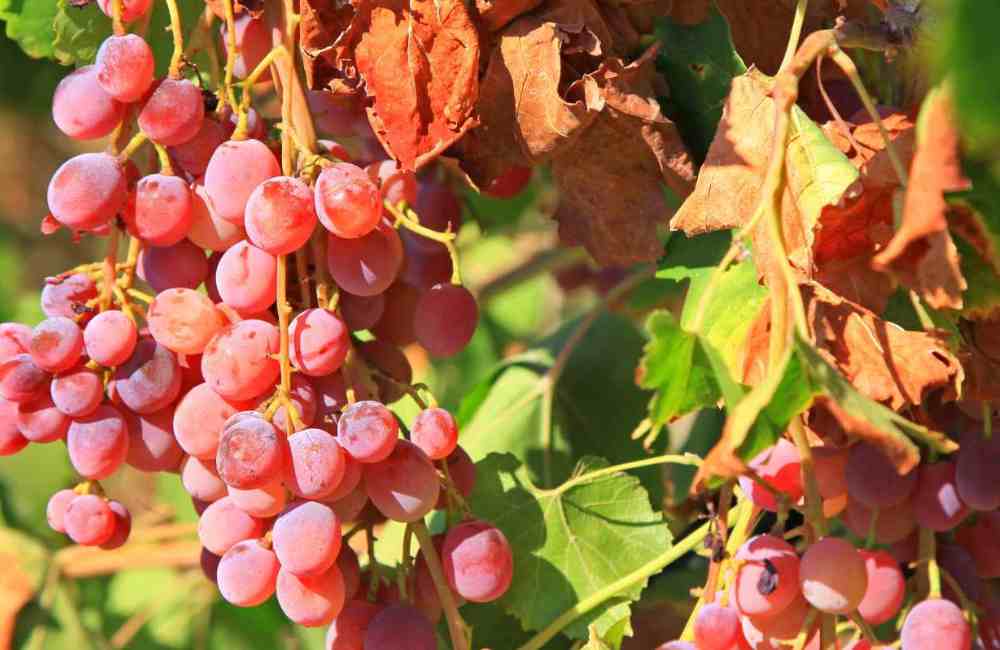
Wine tourism is a serious business in Crete! The island is dotted with dozens of wineries, from tiny family-run estates to larger producers, all crafting fantastic local wines. Many welcome visitors, offering tastings, tours, and even workshops where you can learn about Crete’s 13 native grape varieties.
The wine regions around Heraklion are a perfect place to explore: stop at a small vineyard, chat with the winemakers, and discover the story behind each bottle.
Tasting Cretan wine isn’t just about drinking—it’s a way to connect with the land and the people. The island’s sun-soaked slopes, unique soils, and centuries-old traditions create flavors you won’t forget.
⟶ LET’S NOW SEE THE TOP THINGS TO DO IN CRETE, IN EVERY REGION
Chania’s Top 10
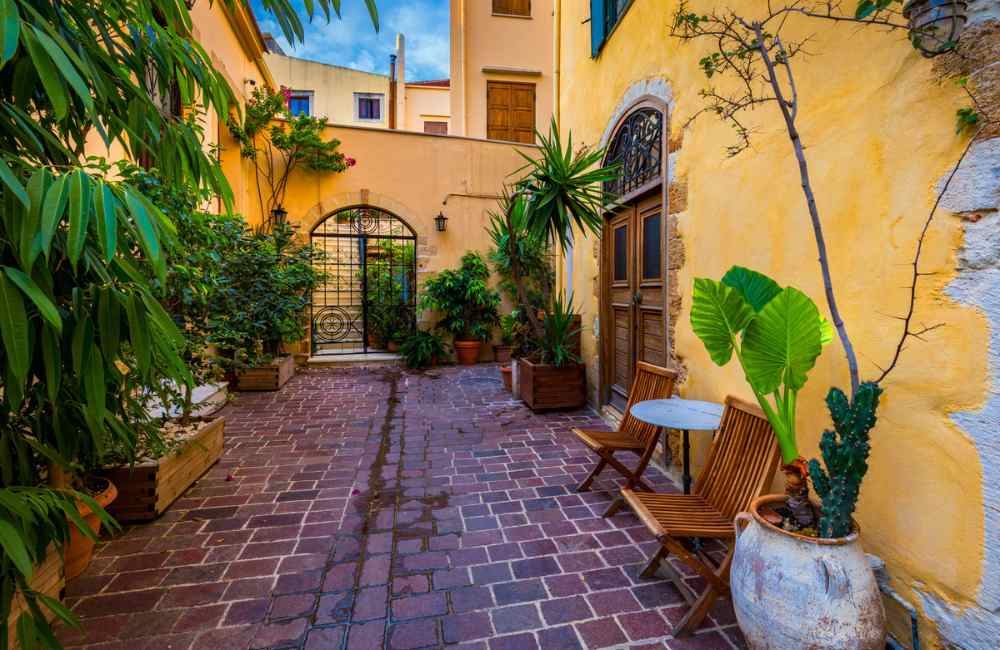
From charming old streets to stunning beaches, here are 10 must-do experiences in Chania that show the city—and its surroundings—at their very best.
>> PLAN YOUR CHANIA VISIT WITH THE BEST RESOURCES
11. Chania Old Town
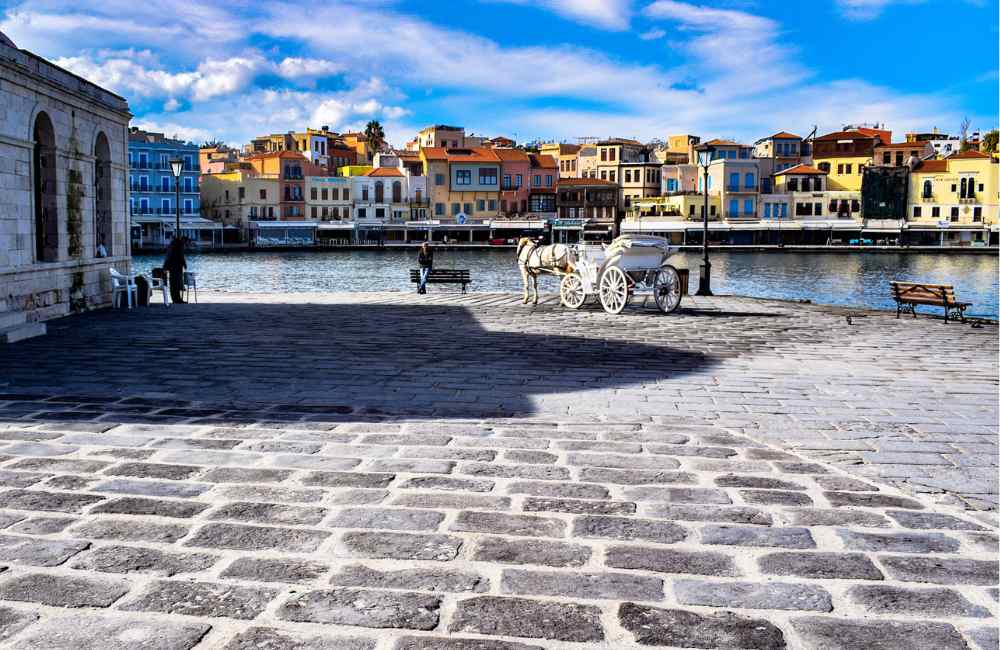
Chania, on Crete’s west coast, isn’t just a city—it’s a living history lesson. Its Old Town is a maze of cobblestone alleys, colorful Venetian houses, and historic buildings reflecting centuries of Venetian, Turkish, and Ottoman rule.
Minarets, bell towers, and an Orthodox cathedral share the skyline, while hidden gardens and quaint cafés invite you to slow down and explore. Don’t miss the romantic harbor, the Venetian dockyards, and the Egyptian lighthouse, all perfect for sunset photography.
Spending a few days in Chania’s Old Town is one of the island’s most unforgettable experiences.
12. Old Turkish Quarter (Splantzia)
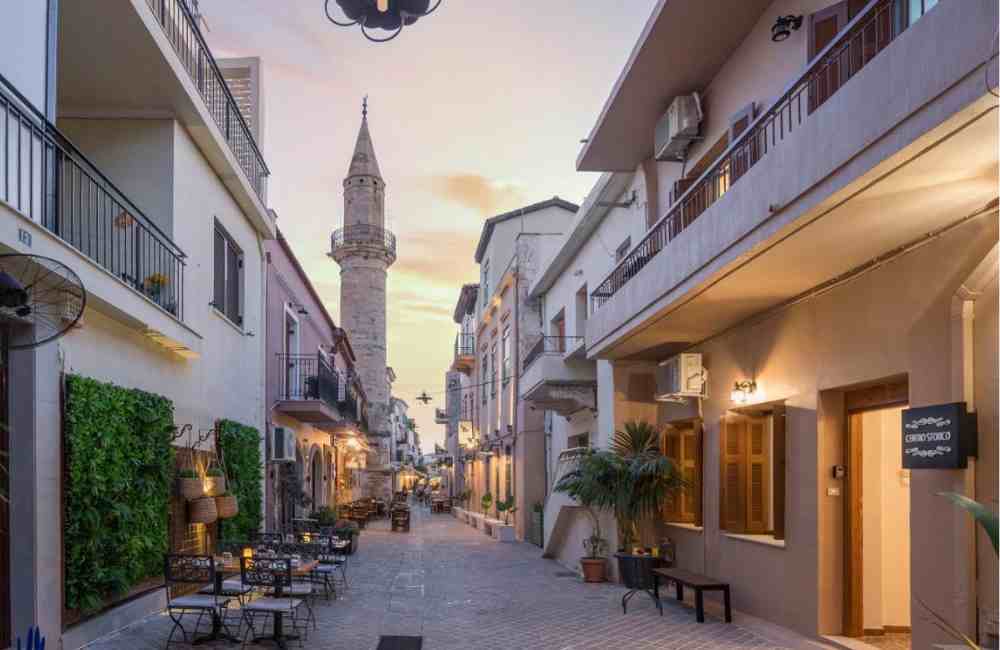
After wandering the Venetian alleys, the lighthouse, and the old synagogue, head to Splantzia, Chania’s historic Turkish quarter. Quiet, charming, and largely untouched by mass tourism, it feels like stepping back in time.
Here, locals come to their favorite spots: authentic kafenia for Greek coffee and raki, cozy cafés, artisan workshops, bookshops, and hidden restaurants serving traditional dishes. In this district, every corner has a story, and it offers one of the most atmospheric experiences in Chania.
Take your time, soak in the nostalgia, and explore the nooks and crannies that make this neighborhood a true local favorite.
13. Elafonisi Beach
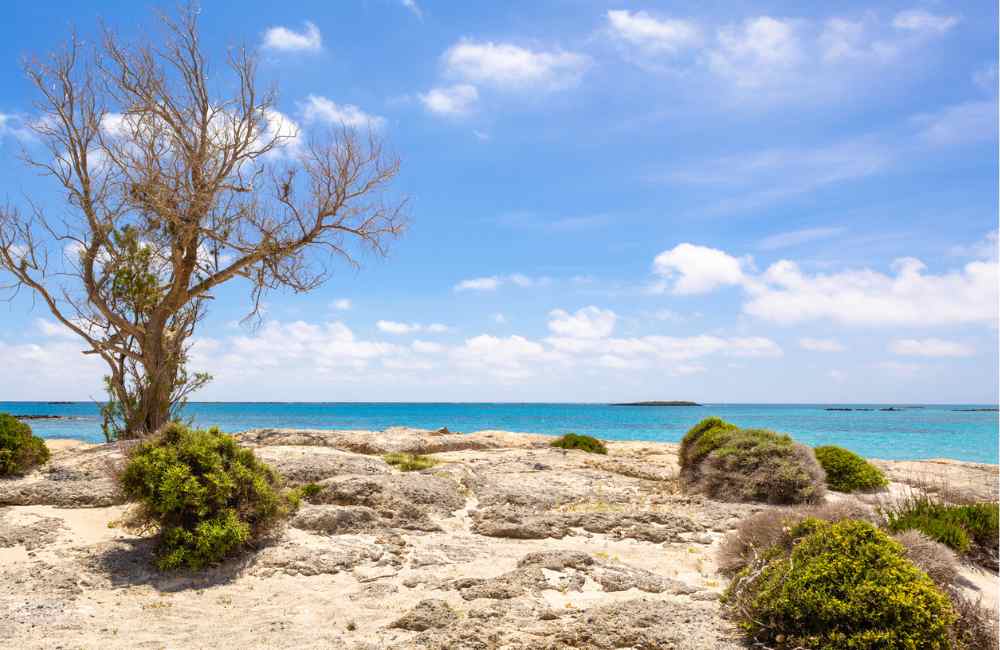
Crete’s most talked-about spot, and the place everyone wants to visit, is Elafonisi, Crete’s iconic pink sand beach, and it’s easy to see why. Shallow turquoise waters, soft sand tinged with pink, and a wild, untouched vibe make it a must-visit on the island’s southwestern tip.
Getting there is part of the adventure. One route takes you through a dramatic gorge, while the coastal road offers stunning seaside views, especially at sunset. Along the way, you can stumble upon hidden caves, a seaside monastery, or a charming village with a chestnut forest perfect for a traditional Cretan lunch.
A trip to Elafonisi isn’t just a beach day—it’s a full Crete experience in one journey.
➜ Plan ahead with a guide to the beach or book nearby accommodation if you want to linger longer and soak it all in. Check out this complete guide to visiting Elafonisi to prepare for the adventure.
14. Balos Beach & Lagoon
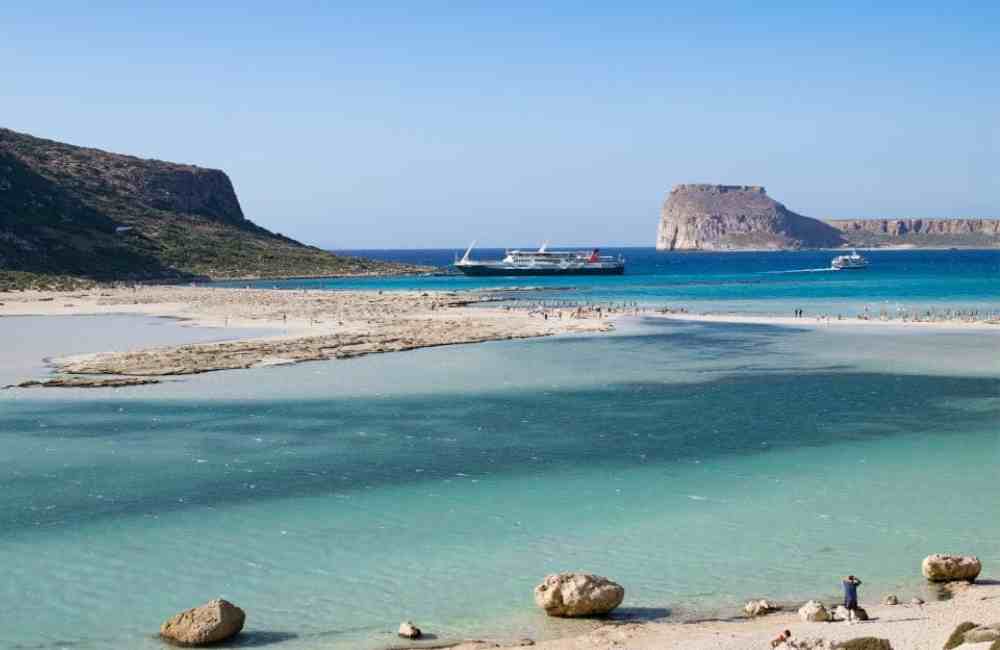
A trip to Balos is a must for anyone visiting the island. Crete’s most exotic beach offers a shallow coast, white sand, and the dramatic shape of Cape Tigani framing the lagoon. No wonder it’s one of the island’s most photographed spots!
Balos draws visitors from all over Crete—even from far-off Heraklion or Agios Nikolaos—because it’s simply unforgettable. But reaching it isn’t as easy as it used to be. Due to tourist restrictions and limited parking, driving has become tricky. Here’s more information to visit Balos.
15. Beaches in West Crete
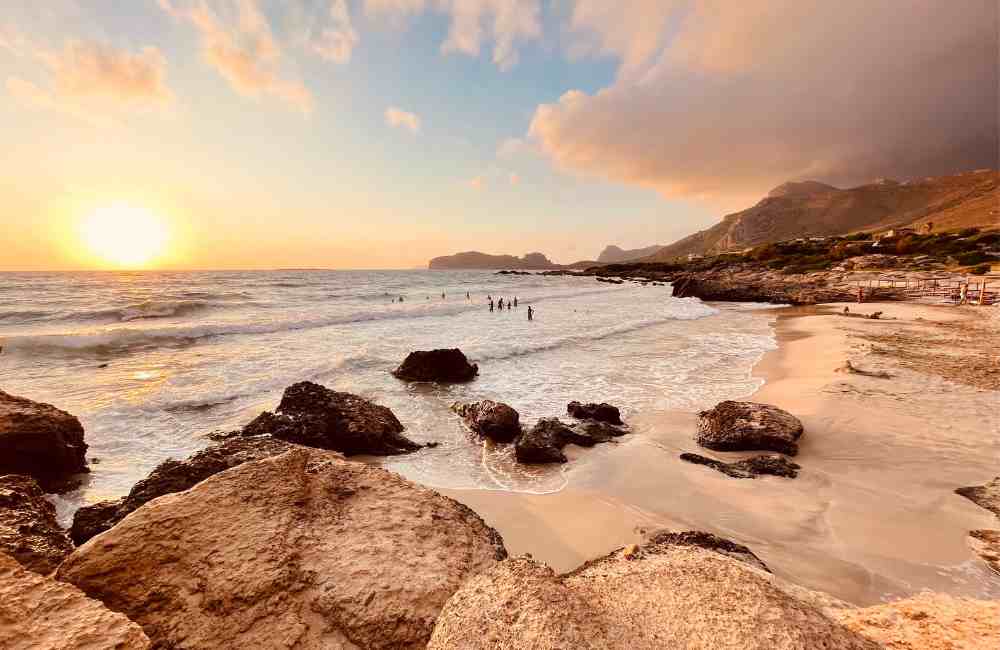
Chania region is home to some of Crete’s best beaches, many just minutes from the city center. No car? No problem—you can stroll from the Old Town to Nea Chora or Koum Kapi, or hop on a local bus to reach Agii Apostoli, Agia Marina, or Platanias.
For a bigger adventure, head west to Kissamos and Kolymbari, or drive east to explore the beaches of Apokoronas. Golden sand, turquoise waters, and hidden coves await—you don’t have to travel far to find your perfect spot.
16. Gorges in Chania
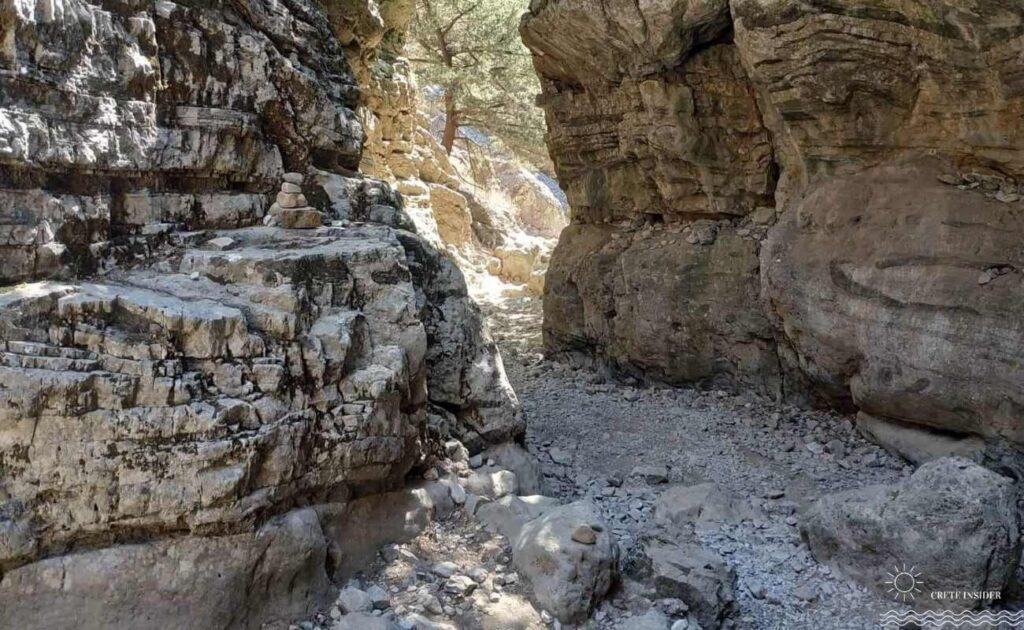
Chania, home to the dramatic White Mountains, is a paradise for hikers and adventure seekers. Its most famous gorge, Samaria, draws hundreds of visitors every year. Stretching 13 km (8 miles), the trail starts at Xyloskalos and winds through the national park, ending with a short 3 km walk to the boat back to the city.
Not into long hikes? No problem. Many gorges, like Therisos, Topolia, and parts of Imbros, can be admired from the road. For a moderate trek, try Imbros Gorge in Sfakia, a scenic 3–4-hour hike, or explore others like Aradaina, Agia Eirini, Deliana, and Therisos.
Chania’s gorges are a mix of breathtaking landscapes, hiking thrills, and easy-access viewpoints—perfect for every type of explorer.
17. Falasarna Beach
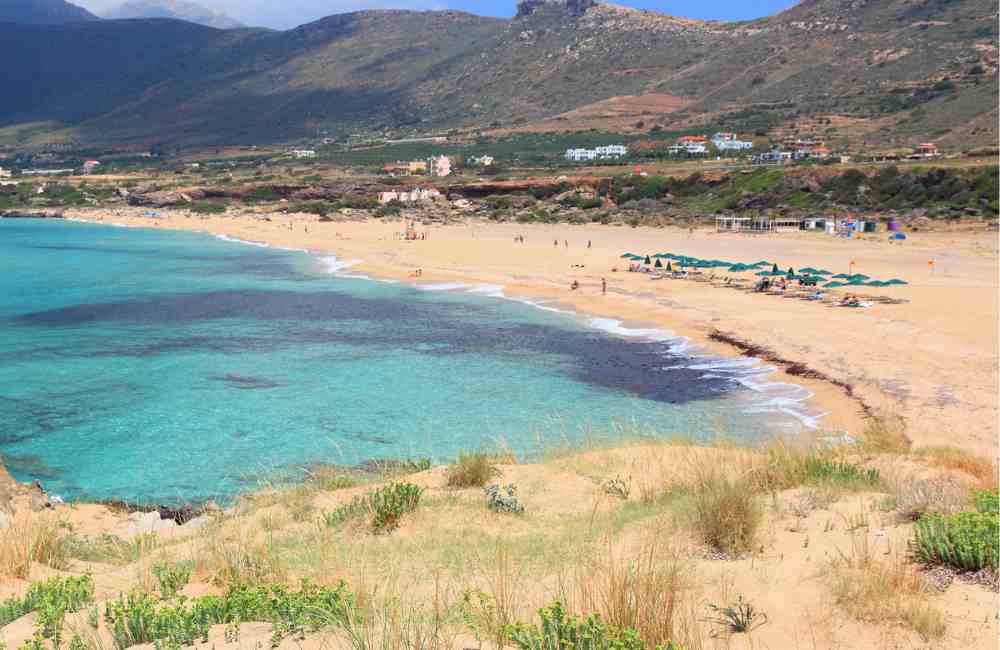
Falasarna, on Chania’s far west coast facing the Myrtoan Sea, is one of the region’s most stunning beaches. Just under an hour from Chania city, it’s perfect for a day trip or a lazy couple of days.
The wide, sandy bay is great for swimming, sunbathing, and beach games, making it ideal for families. When the wind picks up, it’s also a paradise for water sports like windsurfing or kiteboarding.
If you’re curious about history, Falasarna isn’t just sand and sea: nearby are the ancient ruins of Phalasarna and the former city of Polyrrenia, plus the Archaeological Museum in Kissamos.
➜ Plan ahead with these guides:
18. Akrotiri Peninsula

I chose Akrotiri as my home in Crete, and it’s easy to see why. Just a short drive from Chania, it feels peaceful, far from the summer crowds, yet packed with things to see and do. History lovers can visit three stunning monasteries or the Tombs of Venizelos at Profitis Elias, offering some of the best views over Chania’s old town.
But the real star of Akrotiri is its beaches. Seitan Limania went from hidden gem to Instagram sensation, while Stavros Beach famously starred in Zorba the Greek. Other quieter spots like Loutraki, Kalathas, and Tersanas offer sun, sand, and crystal-clear waters—perfect for swimming or just relaxing. Akrotiri blends history, beauty, and tranquility like few places on the island.
19. Botanical Park & Gardens of Crete

Nestled at the foothills of the White Mountains, near the Omalos Plateau, the Botanical Park & Gardens of Crete is a 20-hectare oasis that feels worlds away from the beaches and towns. Spend a few hours wandering winding paths filled with over 150 trees, herbs, medicinal plants, and fruit gardens, many used by locals for centuries.
The stroll is a feast for the senses: flowers, towering trees, and stunning mountain views surround you at every turn. At the end of the trail, a charming restaurant serves dishes made with fresh garden produce, where even a simple orange juice tastes extraordinary against the backdrop of Crete’s highest peaks.
20. Abandoned Tanneries
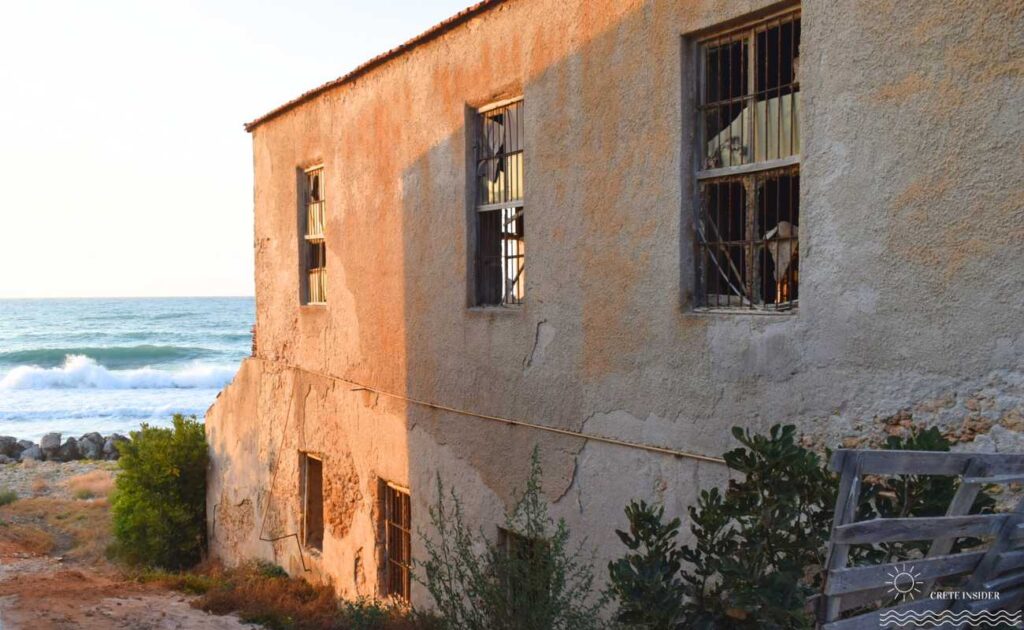
One of Chania’s most intriguing corners is Tabakaria, the old leather-working quarter near the city center and the elegant Chalepa neighborhood. This area tells a story of Crete’s past: during Saracen rule, the island absorbed new crafts, including tanning, coffee culture, and spice trading, leaving a legacy still visible today.
The abandoned tanneries, with their weathered buildings and waterfront views, are hauntingly beautiful, especially at sunset. Wandering here feels like stepping back in time, a quiet glimpse into the city’s forgotten trades.
Heraklion’s Top 10
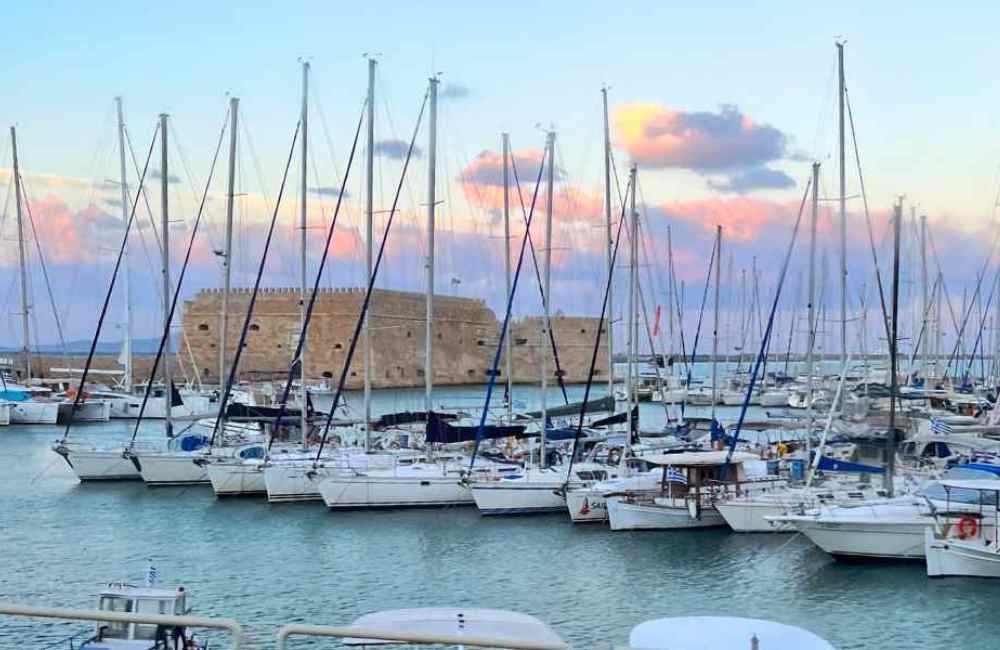
From ancient palaces to bustling markets, Heraklion has a mix of history, culture, and seaside charm that can’t be missed. Here are 10 must-do experiences in and around Crete’s capital that will show you the city—and its surroundings—at their very best.
>> RESOURCES TO PLAN A VISIT TO HERAKLION
21. Minoan Palace of Knossos

One place receives the most visitors to Crete year after year: Knossos, the legendary Bronze Age palace just 5 km south of Heraklion. Easily reached by car or public transport, it’s the island’s most famous archaeological site—and Greece’s second most visited after the Acropolis.
The palace you see today reflects Sir Arthur Evans’ restorations, blending history and interpretation to show how the Minoans might have lived. Even if you’re not a history buff, walking the labyrinthine halls, frescoed walls, and grand courtyards is unforgettable.
For families or those short on time, there are quick guided tours, while enthusiasts can spend hours exploring every detail. :
➜ To get the most out of your visit—including avoiding crowds, transport tips, and kid-friendly ideas, check a dedicated Knossos guide:
22. Heraklion Archaeological Museum
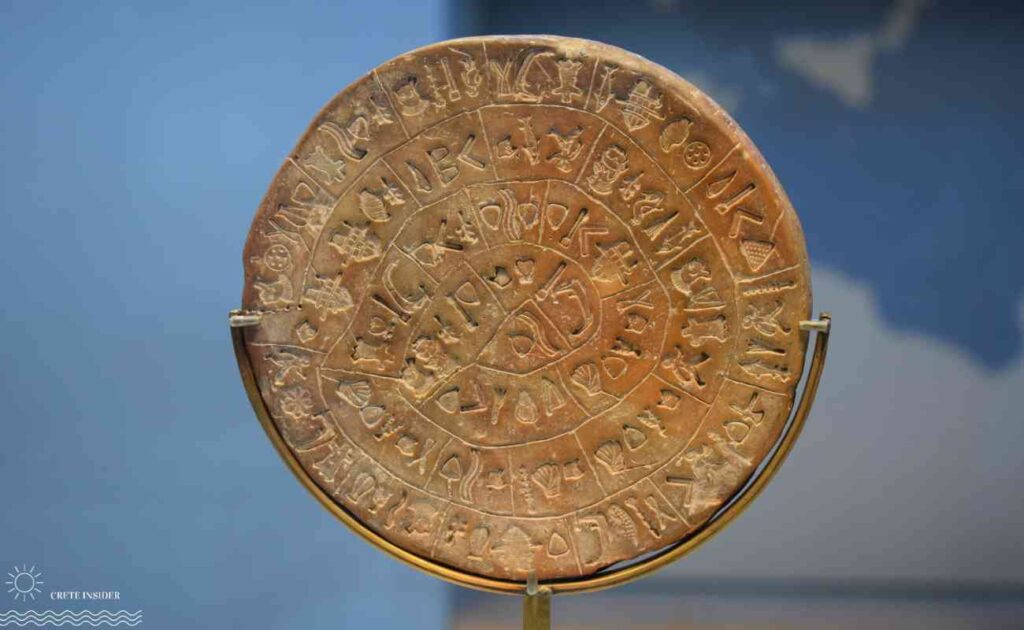
To get the full Minoan experience, pair your visit to Knossos with the Heraklion Archaeological Museum, in the city center. Housed in a former Venetian-Franciscan friary, it’s one of Europe’s most important museums, showcasing over 5,500 years of Cretan history—from the Neolithic era to the Roman period.
Inside, you’ll find fascinating treasures: pottery, jewelry, weapons, and quirky artifacts like ancient board games, erotic figurines, and personal items from across Crete. The museum’s crown jewel is the Phaistos Disc, a small clay disc etched with mysterious symbols, still puzzling archaeologists today.
23. The Capital
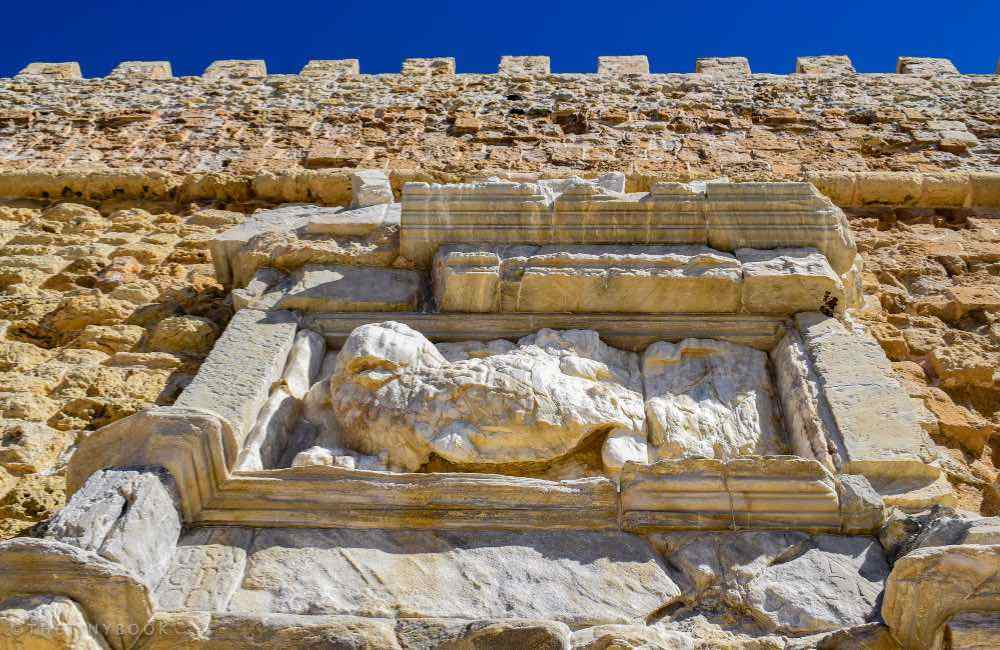
Many visitors see Heraklion as just a gateway to Knossos, but the island’s capital has plenty to surprise you. Beyond the archaeological sites, the city center is packed with stunning Venetian architecture, from the Loggia and Morosini Fountain to the imposing Koules Fortress by the harbor.
Historic churches like Agios Minas and the former Saint Mark’s Basilica—now the Municipal Art Gallery—add to the cultural mix.
Heraklion is also a lively, cosmopolitan city while its central location makes it a perfect base for exploring the rest of Crete, including nearby Lasithi and Rethymnon, while offering a city experience rich in history, food, and energy.
24. Matala, the Iconic Hippie Beach

The southern coast of Heraklion hides some of Crete’s most legendary beaches, and Matala is the crown jewel. Famous for its dramatic seaside caves and its hippie vibe in the 1960s and ’70s, the village still radiates a relaxed, bohemian energy that draws visitors from around the world.
From Matala, a short hike takes you to the stunning Red Beach, known for its striking cliffs and nudist-friendly spots. History lovers can explore nearby archaeological sites like Agia Triada, Gortyn, and the impressive Minoan Palace of Phaistos, Crete’s second most important palace.
A visit to Matala is a mix of sun, history, and bohemian spirit, making it one of Crete’s unforgettable experiences.
25. Heraklion’s Theme Parks
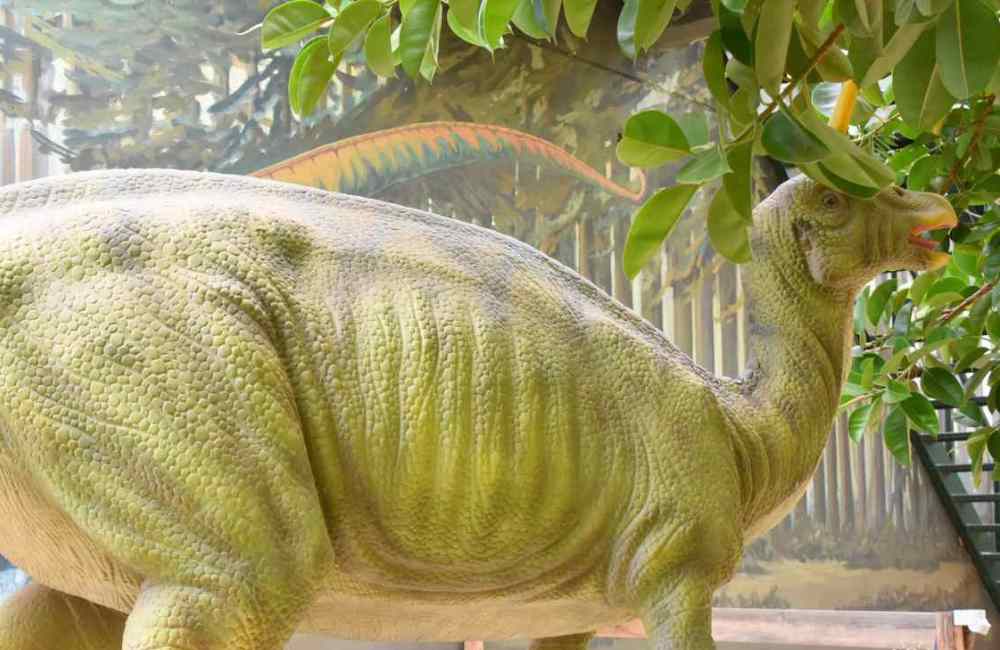
Heraklion isn’t just about ancient palaces and museums—it’s also Crete’s top hub for family fun. Just outside the city, you’ll find some of the island’s best theme parks, perfect for breaking up sightseeing with something lighter and more playful.
One of the highlights is CretAquarium, a compact but impressive space with interactive exhibits and a great introduction to Mediterranean marine life. Nearby, Dinosauria Park takes kids (and curious adults) on a journey back to prehistoric times, while Labyrinth Theme Park turns Greek mythology into hands-on fun.
For pure adrenaline, Heraklion also delivers with Watercity and Acqua Plus, two of Crete’s largest water parks. Slides, pools, and splash zones make this an easy win for families traveling with kids.
26. Clubbing in Hersonissos & Malia
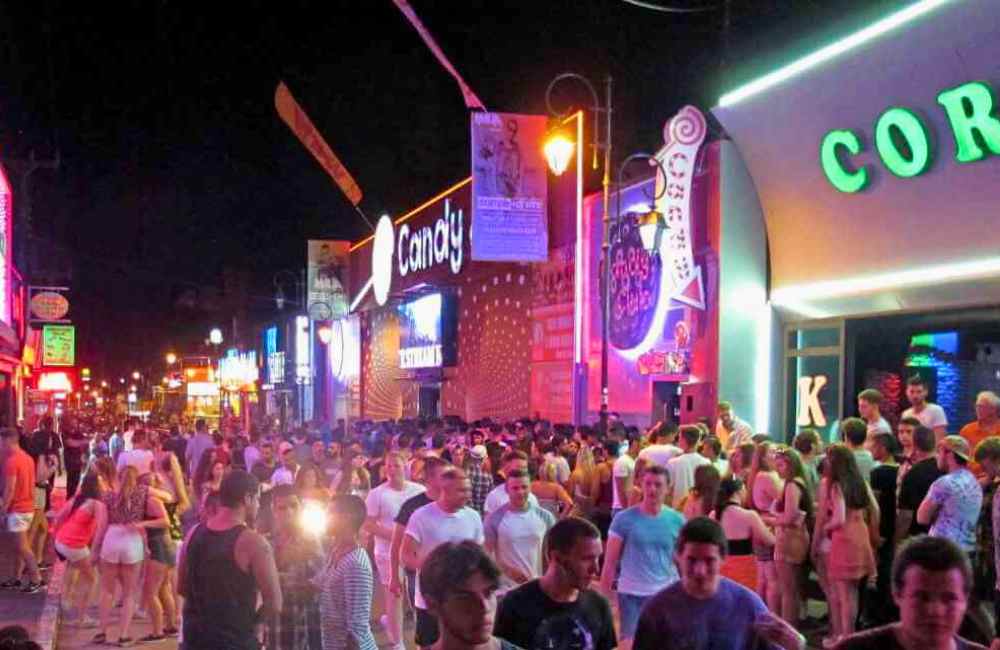
When the sun goes down, Heraklion’s party scene shifts east to Hersonissos and Malia, two seaside resorts just a short drive from the capital. This is where Crete’s nightlife turns loud, late, and unapologetically fun.
In Hersonissos, beach clubs like Club Sensation, New York Beach Club, and Palm Beach Club keep the music going until early morning. Over in Malia, the action is concentrated along Dimokratias Avenue, with legendary spots such as Dolphin and Reflex drawing crowds every summer night.
While most of Crete leans toward relaxed evenings and casual drinks, this stretch of the Heraklion coast is where the island’s true clubbing energy lives. If dancing until dawn is on your Crete wish list, this is the place to be.
27. Heraklion’s Wine Country
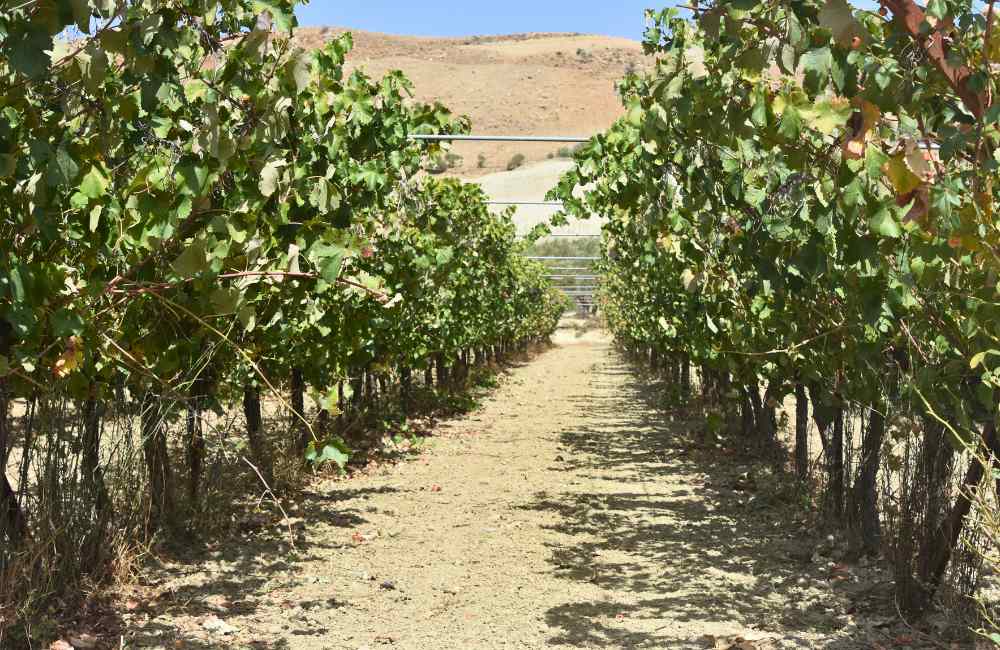
Heraklion sits at the heart of Crete’s wine scene. More than 65% of the island’s wineries are found here, spread across fertile areas like Peza, Archanes, and Dafnes—all officially protected wine regions (PDOs).
Wine tourism has taken off in recent years, and exploring these vineyards is one of the most rewarding things to do around Heraklion. You can keep it simple by visiting a small family-run winery, where tastings often come with warm hospitality and sometimes a homemade lunch straight from the kitchen.
Prefer something more structured? Larger estates offer guided vineyard tours, food-and-wine pairings, seminars, and curated tastings. However you choose to do it, discovering Heraklion’s wine country is an easy, delicious way to experience the island beyond the coast.
➜ Taste excellent Cretan wines at a well-reviewed winery near Heraklion that keeps prices refreshingly reasonable. Book here
28. Archaeological Palace of Malia
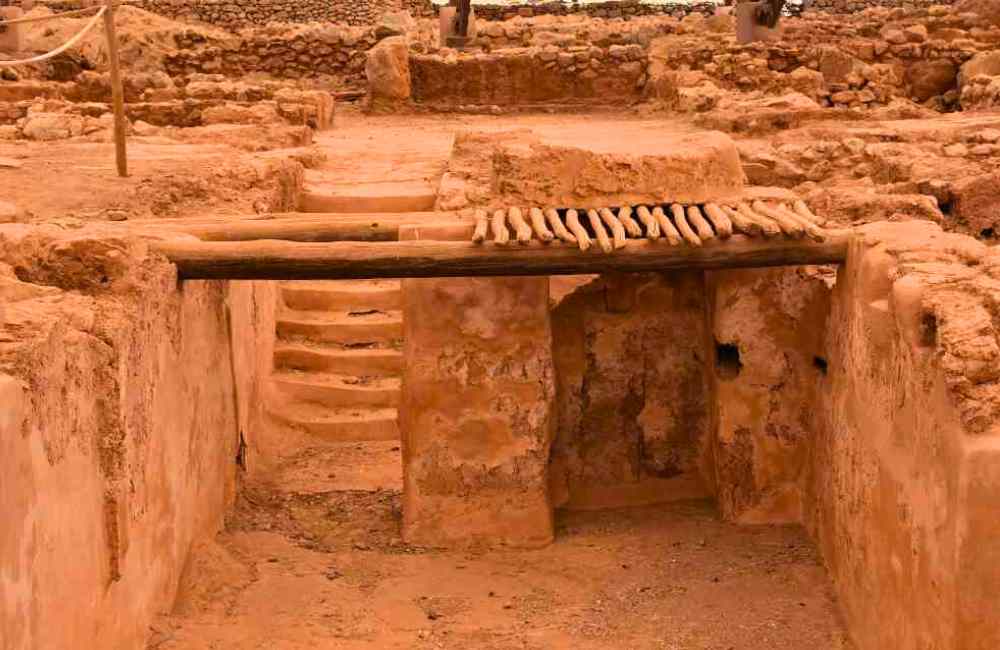
Just 30 minutes from Heraklion, on the island’s northern coast, the Minoan Palace of Malia is an archaeological site well worth a stop—especially if you want a deeper look into everyday life during the Minoan era.
Unlike Knossos, Malia feels more open and less reconstructed, making it easier to imagine how the palace once functioned. As you walk through the ruins, you’ll notice the vast storage areas and the enormous clay jars, or pithoi, once used to store oil, grain, and wine.
Don’t miss the stone staircases and the intriguing circular structure known as a kernos—a ritual stone with small cavities believed to have been used for offerings to the gods, asking for fertile land and generous harvests. A quieter, more reflective Minoan experience.
29. Water Sports on Heraklion’s North Coast
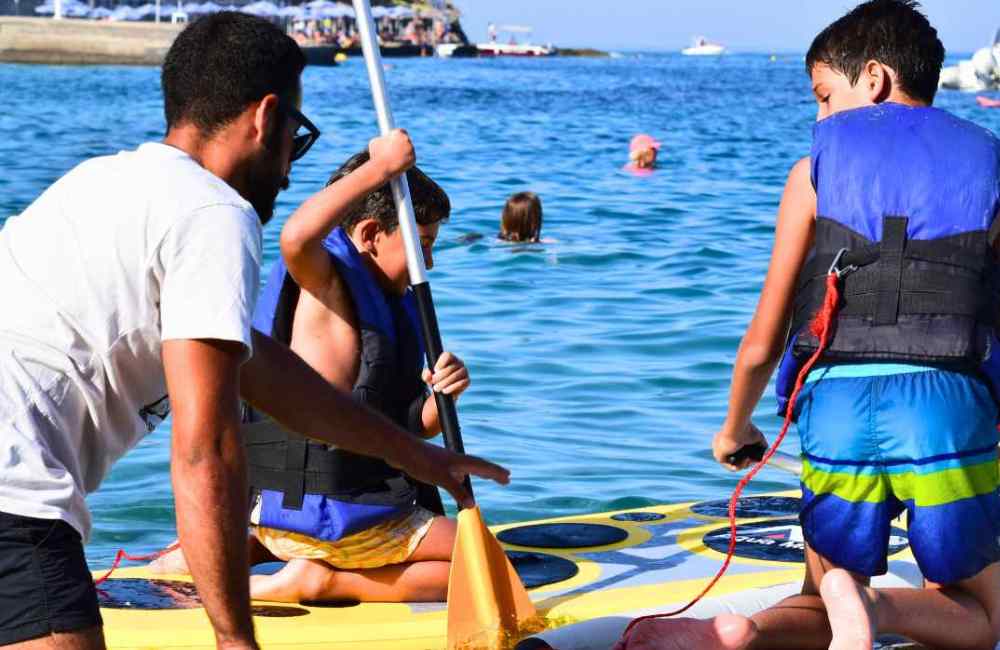
The northern coast of Heraklion is ideal for anyone who wants to mix sea time with a bit of adventure. Just a short drive west of the city, Agia Pelagia stands out for its relaxed atmosphere and a series of sheltered bays that are perfect for water sports.
Thanks to its calm waters, Agia Pelagia is a great place to rent kayaks, paddle boats, or small fishing boats, even if you don’t have much experience. Sailing along the coast lets you reach hidden coves and quiet beaches that are otherwise inaccessible by land.
You can also rent a small motorboat and try your hand at being your own captain for the day. It’s an easy, fun way to experience the coast differently—and one of my favorite add-ons to a short stay in Heraklion.
30. Heraklion’s Most Interesting Museums
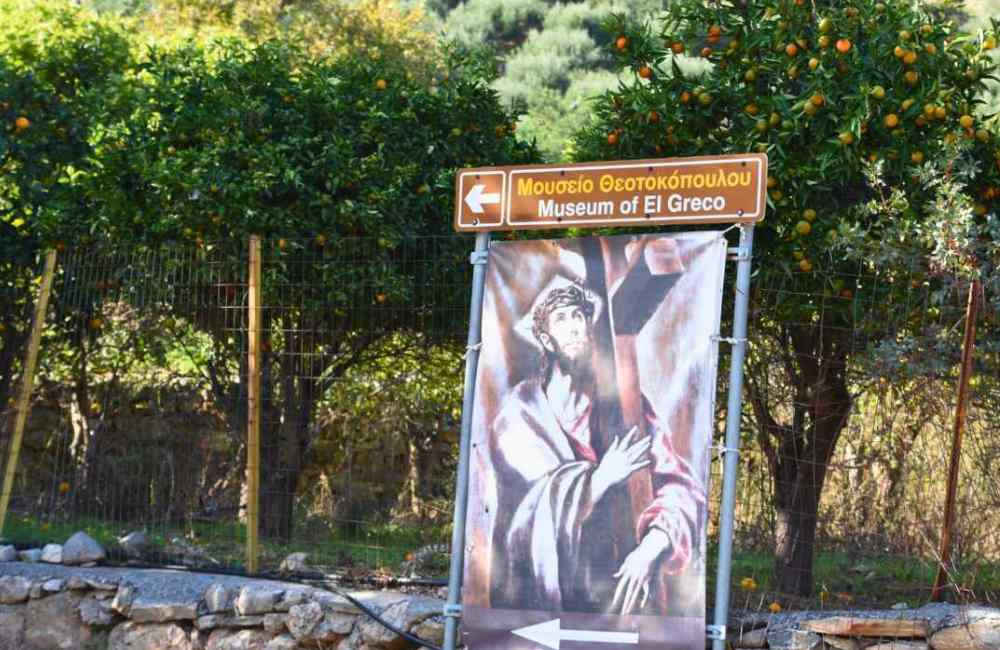
Heraklion isn’t just about Knossos—it’s also Crete’s museum capital, with collections that go well beyond classical archaeology. In the city, the Historical Museum of Crete and the Natural History Museum offer engaging, often interactive exhibits that work brilliantly for families and curious adults alike.
Smaller museums add even more character: the Museum of Visual Arts, the Musical Instruments Museum, and the excellent Museum of Ancient Greek Technology, where you’ll discover surprisingly advanced inventions created thousands of years ago.
Just outside the city, don’t miss the Lychnostatis Open-Air Museum near Hersonissos, the Kazantzakis Museum in Myrtia, the El Greco Museum in Fodele, or the Museum of Rural Life in Piskopiano. These lesser-known stops offer a deeper, more personal look at Cretan culture—well worth your time.
Rethymno’s Top 10
From a beautifully preserved Old Town to wild southern beaches and mountain villages, Rethymno blends history, culture, and laid-back island life like few places in Crete. Here are 10 must-do experiences in and around Rethymno that capture the spirit of the town—and its wider region—at their very best.
>> RESOURCES TO PLAN YOUR TIME IN RETHYMNO
31. Rethymno Old Town
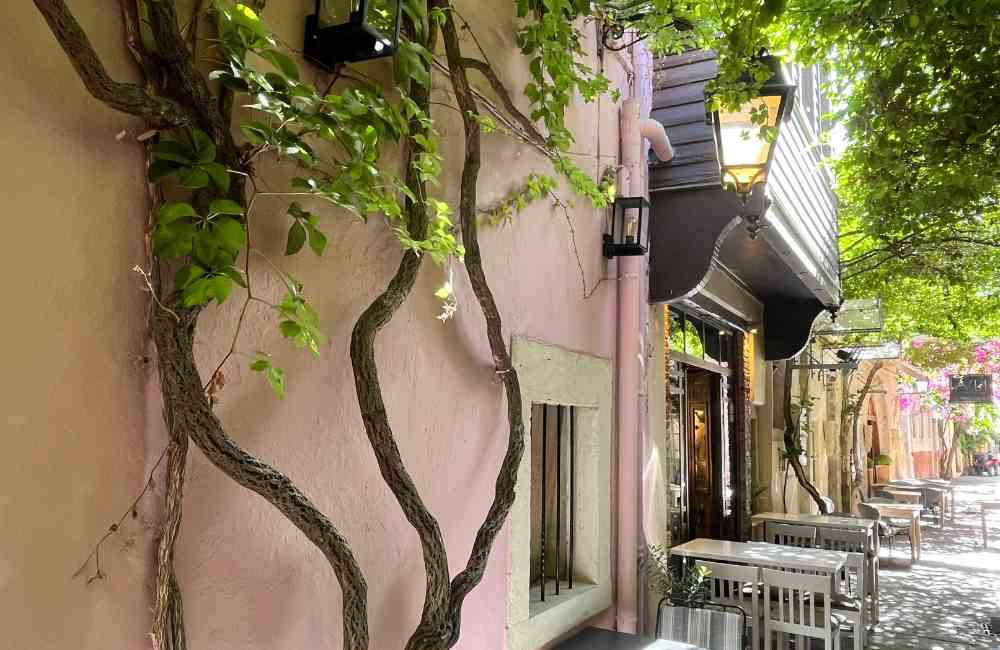
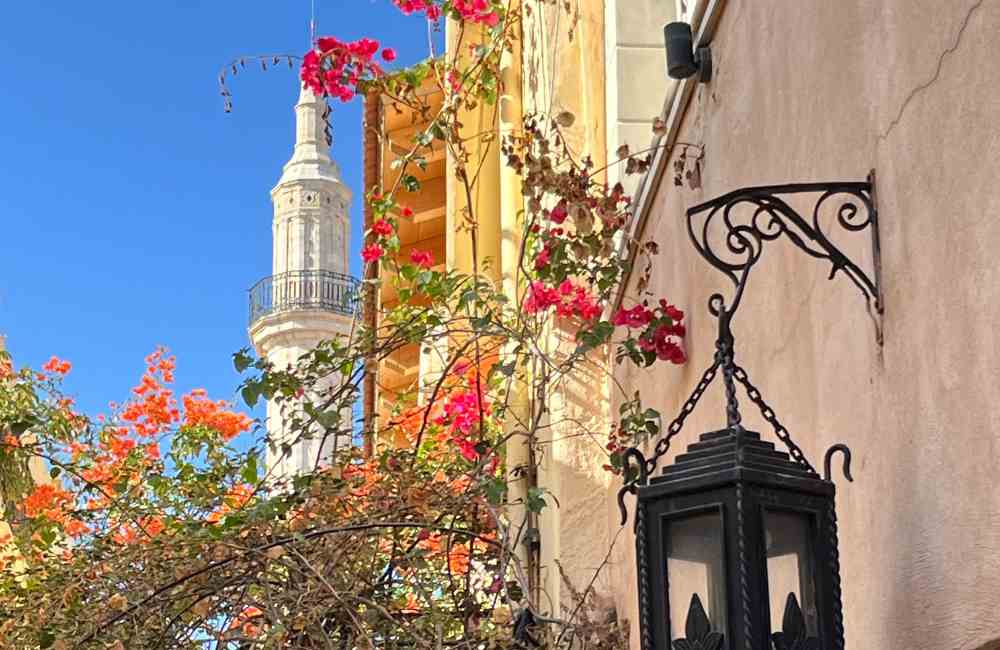
Rethymno’s Old Town is one of the most beautifully preserved historic centers in Crete, shaped by centuries of Venetian and Ottoman rule. Wander its narrow streets and you’ll spot elegant Venetian mansions, the charming Venetian harbor, and the iconic Rimondi Fountain, all reminders of the city’s time under the Republic of Venice.
Look up and the story continues. Ottoman-era mosques and slender minarets rise among churches and neoclassical buildings, giving Rethymno a layered, almost theatrical skyline. The massive Fortezza, perched above town, ties everything together with sweeping views over rooftops and sea.
Lively yet atmospheric, Rethymno Old Town blends history with everyday life—cafés, small shops, and hidden courtyards—making it one of the most rewarding places to explore on foot in Crete.
32. Arkadi Monastery
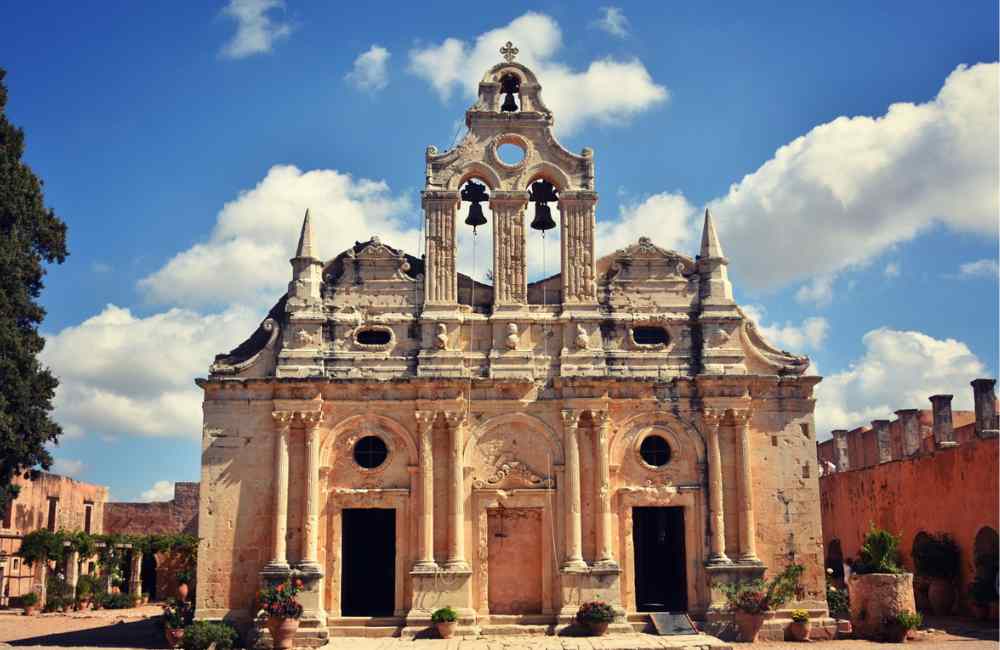
The Holy Monastery of Arkadi is one of Crete’s most powerful historical landmarks and a symbol of the island’s struggle for freedom. Located less than 25 km from Rethymno, it makes an easy and meaningful day trip.
Arkadi is best known for the tragic events of 1866, when more than 900 men, women, and children chose death over surrender during the Ottoman siege—an episode that left a deep mark on Cretan history. Today, this dramatic past contrasts sharply with the monastery’s serene courtyards, peaceful gardens, and elegant Baroque church at its heart.
Visiting Arkadi isn’t just about architecture; it’s about understanding the spirit of Crete. The scenic drive alone is worth the trip, especially if you’re looking for something memorable beyond the beach.
➜ Plan your monastery tour in Rethymnon with this detailed guide to the region’s top spiritual sites.
33. Boutique Wineries
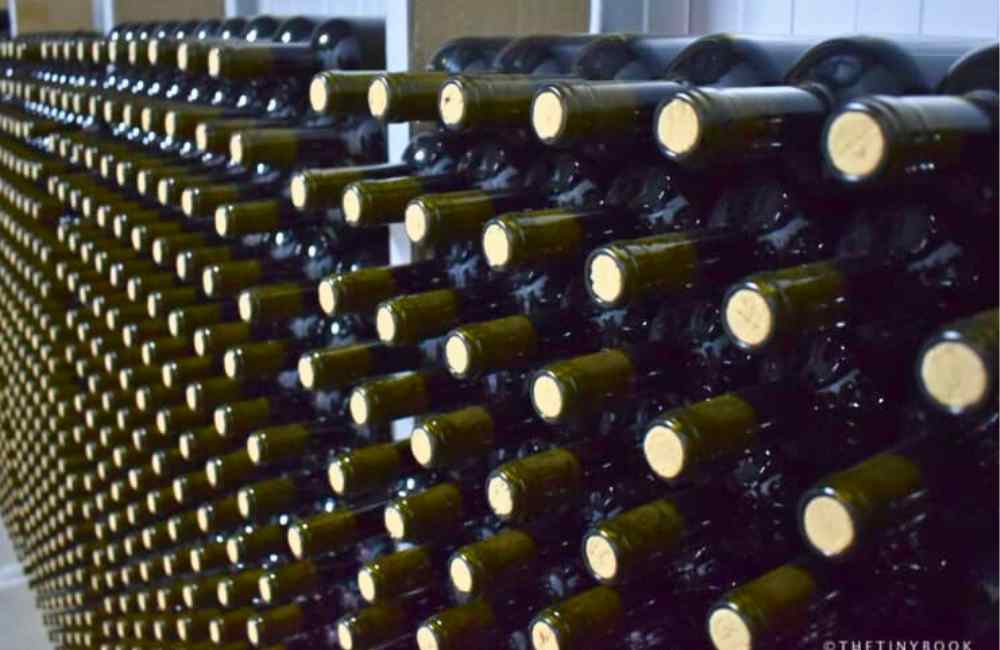
Rethymnon is home to Crete’s star grape, Vidiano, making it a must-visit destination for wine lovers. While there aren’t as many wineries as in Heraklion, Klados Winery offers a more intimate, artisan approach to winemaking.
Just 20 minutes from Rethymnon, near Panormos and Skepasti, Klados focuses on a small selection of native and international grapes, producing a handful of exceptional labels. It’s the perfect stop whether you’re staying in town or driving along Crete’s northern coast.
Pop it in your GPS [35.417203 N, 24.707398 E], and experience a slice of Rethymnon’s vinous excellence. Read about my visit for tips and tasting notes.
34. Amari Valley
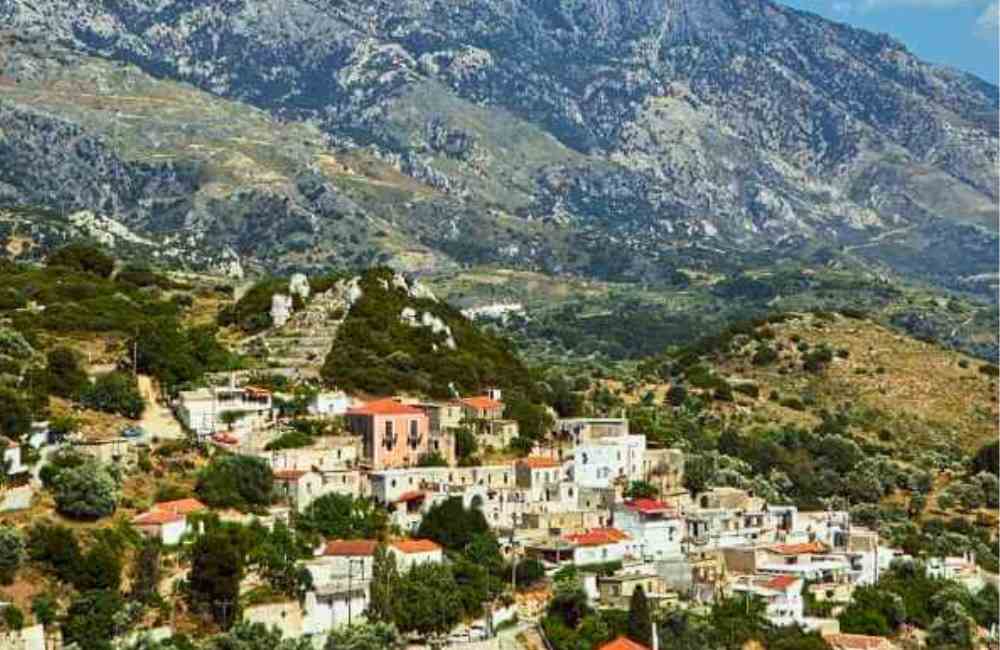
Nestled at the foot of Mount Psiloritis—Crete’s highest peak at 2,456 m and part of UNESCO’s Global Geoparks—the Amari Valley is a haven of traditional villages, lush gorges, and rich history.
The area played a key role during the Battle of Crete, and nearby villages on Mount Kedros suffered greatly during the German occupation in the tragic Holocaust of Amari. Today, the valley is a place of reflection, tradition, and natural beauty.
Spend a day wandering its charming villages, exploring Patsos Gorge, or tackling the hike to Psiloritis’ summit if you’re feeling adventurous. Don’t miss local experiences like raki distillation or baking bread in a traditional wood-fired oven—a true taste of rural Cretan life.
35. Archaeological Site of Eleftherna
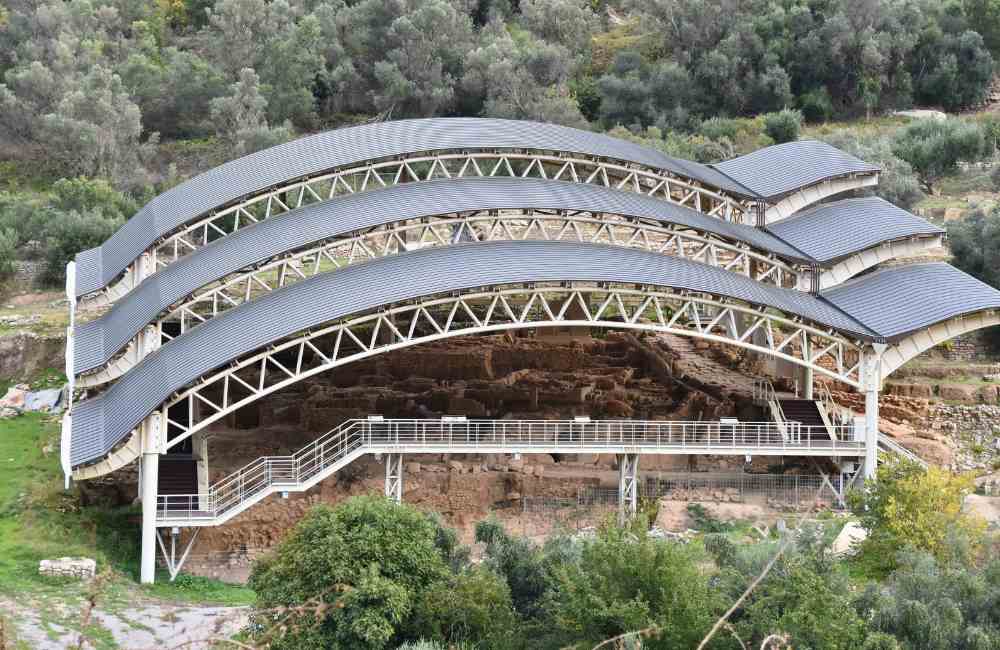
Just 30 km south of Rethymnon, the ancient city of Eleftherna is a fascinating stop for history lovers. Continuously inhabited from the early Minoan period to the Byzantine era, the site offers impressive ruins, including an ancient Christian basilica, and gives a real sense of Crete’s layered past.
Eleftherna pairs perfectly with a visit to the nearby pottery village of Margarites and the Holy Monastery of Arkadi, making for a full, culture-packed day trip away from the beaches.
For tips on planning your visit, exploring the ruins, and discovering hidden details, check out my full post on Crete’s archaeological sites—an insider guide for history enthusiasts.
36. Rethymnon’s Traditional Mountain Villages
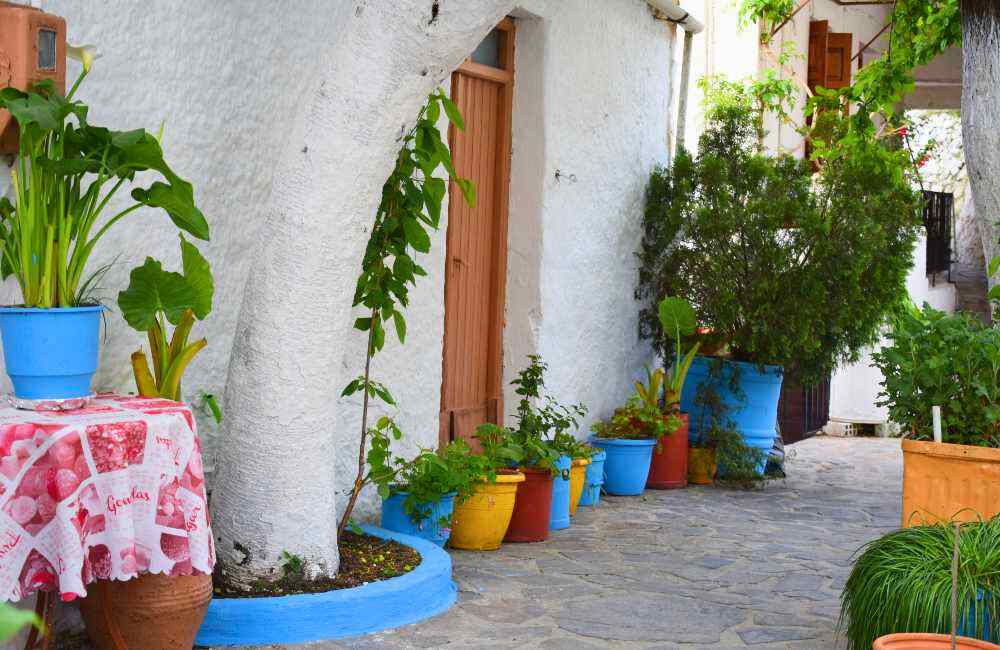
Rethymnon is dotted with charming mountain villages where Cretan traditions feel alive. Hidden among olive groves and foothills, these settlements offer a glimpse of island life far from the beaches.
Anogia, perched near Mount Psiloritis, is famous for its musicians and Cretan lyra players, while Spili charms with its Venetian fountain and peaceful main square. Tiny Asteri surprises visitors with the ornate Poliou House and Folklore Museum, Melidoni impresses with its stunning cave, and Margarites is a must for pottery lovers. Don’t miss Axos, home to a talented wood artisan and a small but fascinating wood-carving museum.
A day trip to any of these villages is a perfect escape off the beaten path, combining culture, craft, and the stunning mountain scenery that makes Crete so unique.
37. Rethymno’s Beaches
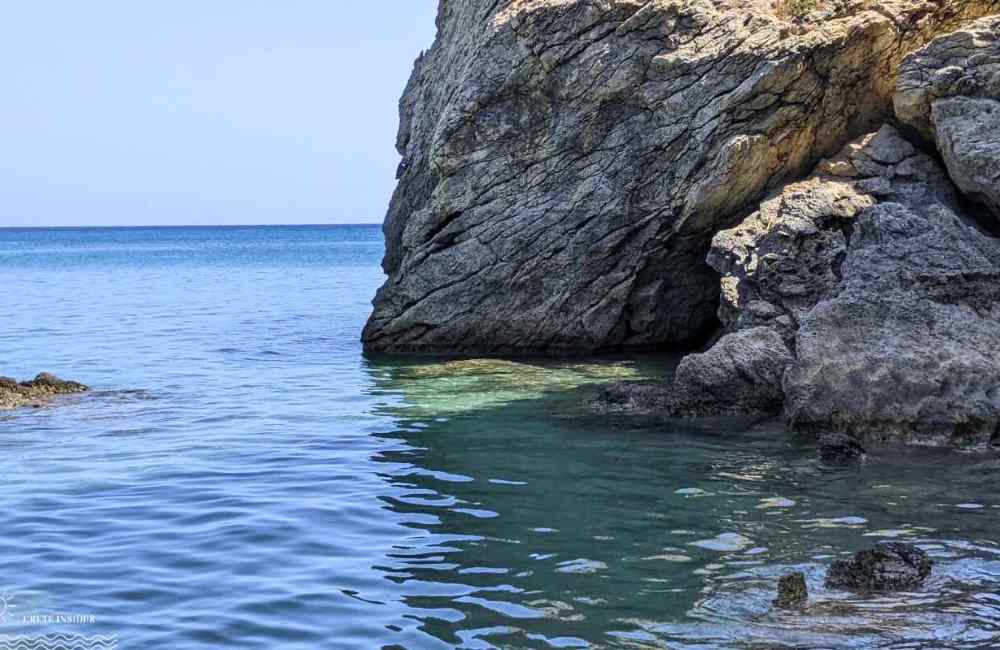
Rethymnon’s southern coast features incredible beaches, each with its own character. Plakias, Ligres, Preveli, Peristeres, and Triopetra offer sun, sand, and breathtaking views of the Libyan Sea. For a more secluded experience, Damnoni Beach, near Plakias, has long been a favorite spot for naturists.
Hidden coves like Ammoudi and Skinaria are perfect for scuba diving, thanks to local immersion schools offering lessons amid crystal-clear waters. Rethymnon’s beaches offer some of the island’s most memorable seaside experiences.
38. Preveli Palm Beach
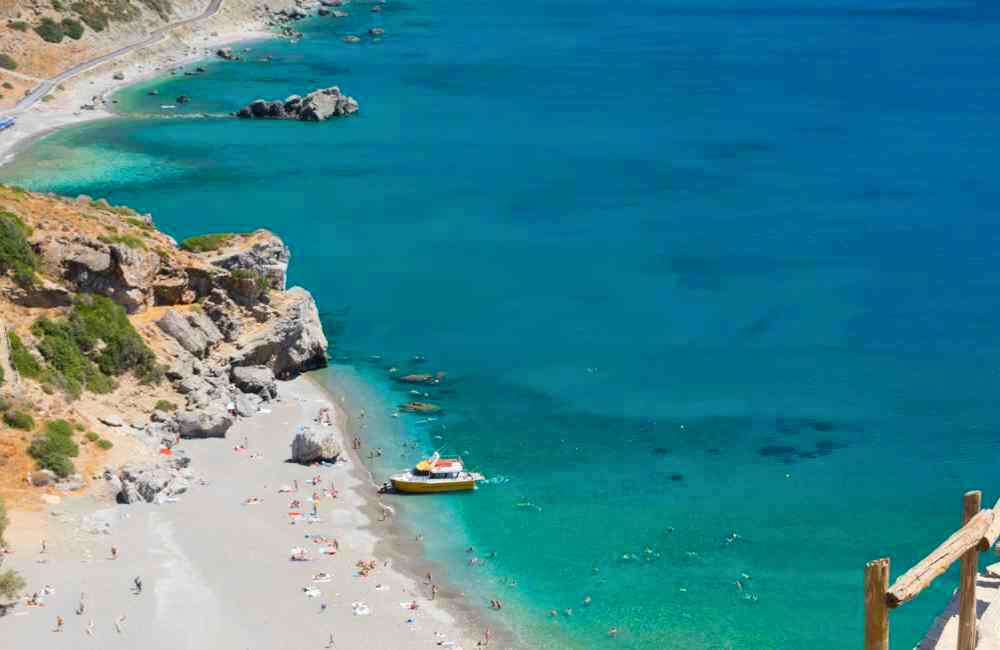
Preveli Beach is one of Rethymnon’s most exotic coastal gems, famous for its palm-fringed shore and stunning scenery. Located 35 km south of Rethymnon, it sits at the mouth of Kourtaliotako Gorge, where the Megalos Potamos River meets the sea.
A few years ago, a fire damaged part of the palm forest, but the area has bounced back, and the lush greenery still frames the river as it flows into the turquoise waters. Hiking down through the gorge to the beach is part of the adventure, making Preveli a perfect mix of nature, beauty, and a touch of the wild—an unmissable stop on the south coast.
39. Preveli Monastery Complex
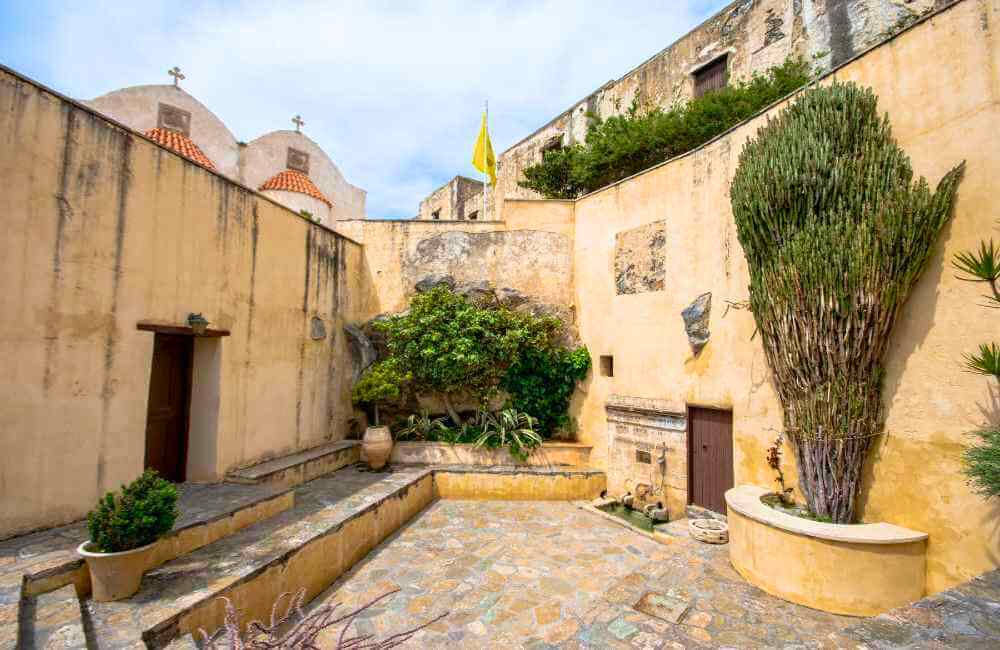
The Preveli Monastery is more than just a beautiful site—it’s a place steeped in history. The complex consists of two monasteries: Kato Monastiri (the lower monastery, now in ruins) and Piso Monastiri (the rear monastery, still active and open to visitors).
Preveli played a crucial role during the Battle of Crete in 1941, helping the local resistance, sheltering soldiers, and supporting the Allied forces. Alongside Arkadi, it remains one of Crete’s most significant religious and historical centers.
40. Mountain Springs in Argyroupoli
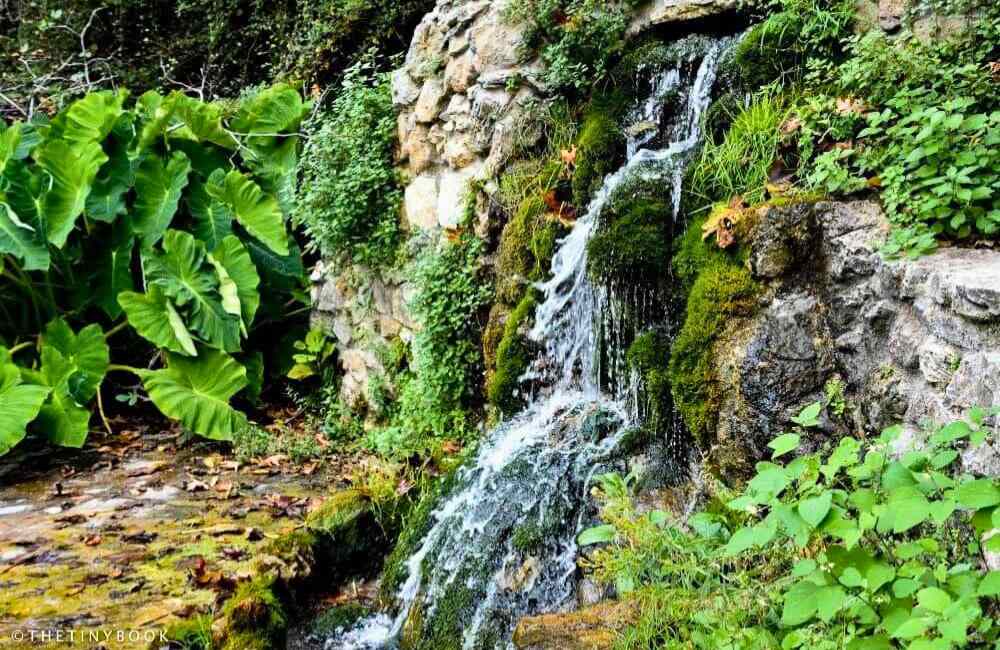
Just 27 km southwest of Rethymnon, the mountain village of Argyroupoli is a refreshing mix of history and nature. Built on the site of the ancient Roman city of Lappa, the area still reveals Roman aqueducts, baths, villas, mosaics, and artifacts that tell the story of its past glory.
Today, Argyroupoli is best known for its crystal-clear mountain springs, waterfalls, and lush greenery along the river Mouselas. Stroll past the flowing water, explore the cave with the church of Agios Ioannis, or enjoy a meal at one of the local tavernas surrounded by verdant gardens. It’s a perfect escape from the coast—a place where history, nature, and Cretan hospitality meet.
Lasithi’s Top 10
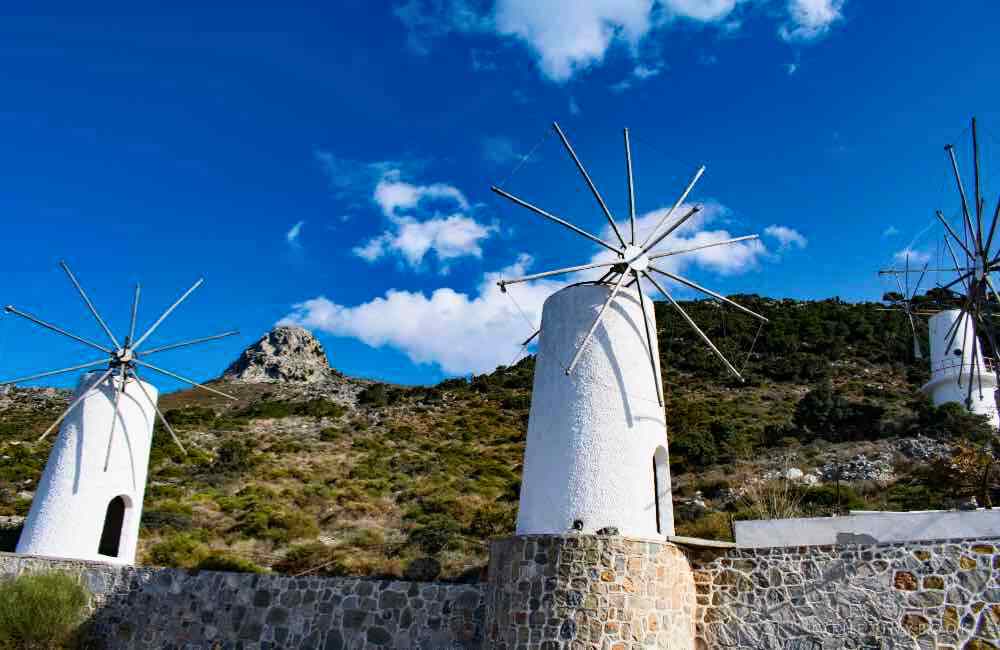
From the sparkling waters of Elounda and Agios Nikolaos to the peaceful villages tucked in the Dikti Mountains, Lasithi offers a mix of stunning beaches, charming towns, and authentic Cretan life. Here are 10 must-do experiences in and around Lasithi that show the region’s beauty, culture, and laid-back island vibe at their very best.
>> RESOURCES TO PLAN YOUR TIME IN LASITHI
41. Agios Nikolaos
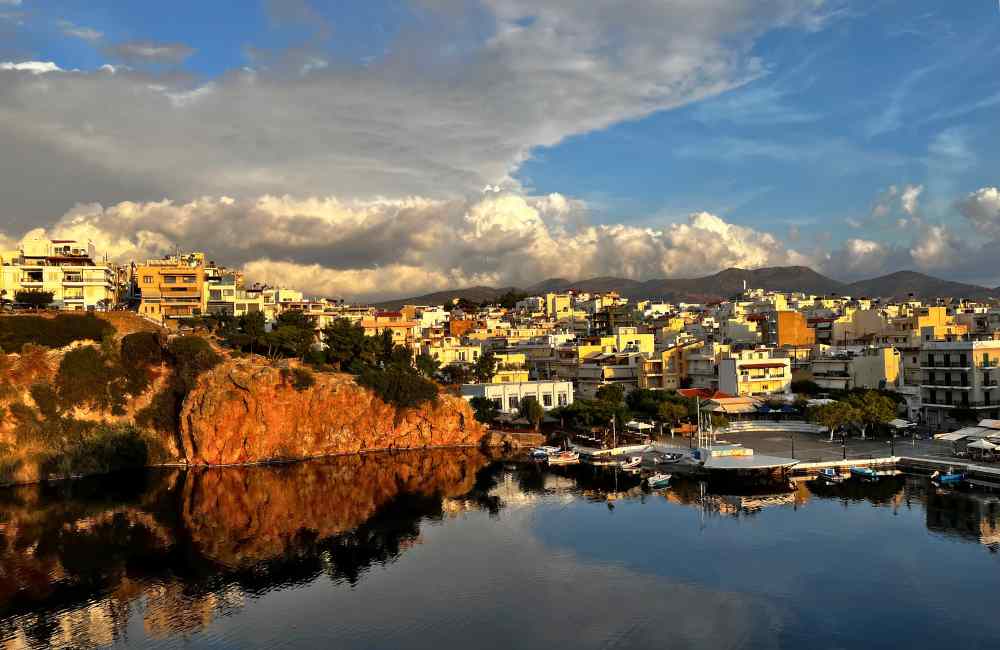
Agios Nikolaos is the main town of Lasithi, located on the northern coast along the Mirabello Gulf. It’s a great place to stay while exploring the region, with plenty of hotels, restaurants, and things to see and do.
The town is famous for Lake Voulismeni, which connects to the sea. The area around the lake is full of bars and restaurants, perfect for a coffee, drink, or casual meal. Take a walk through the streets to check out the staircases decorated by local artists and students, and visit some of the town’s historic churches, like the Byzantine Saint Nicholas, which gave the city its name.
A variety of beaches are just a short drive away, both east and west, making it easy to combine town life with some time by the sea.
42. The Lasithi Plateau
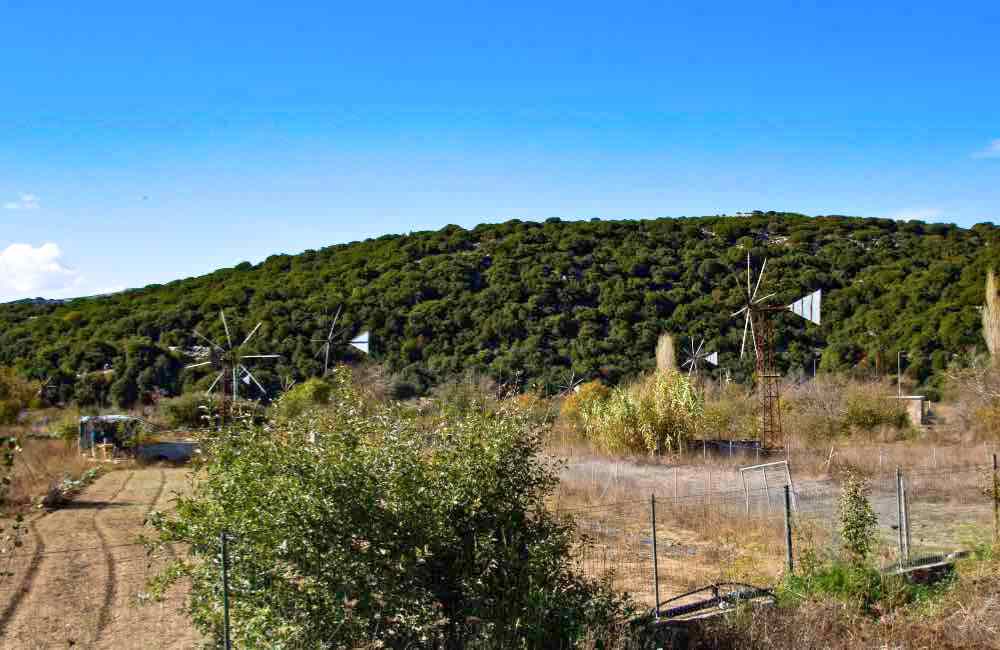
The Lasithi Plateau is one of the most scenic spots in the region. A 23-kilometer drive takes you through small mountain villages set against stunning peaks, where everyday life in Crete moves at its own pace.
Along the way, you can stop for a traditional homemade Cretan lunch made with fresh local ingredients. Tzermiado is a must-see, with its classic kafenia, charming houses, and a small central church. Agios Giorgos is home to a Folk Museum showcasing local crafts and traditions.
Don’t miss Psychro, where you can explore the Dikteon Cave (Cave of Zeus), or visit the old stone mills in Kera. The plateau is perfect for a day of exploring villages, history, and Cretan culture off the beaten path.
➜ Jump into adventure—explore hidden mountain villages, the legendary Cave of Zeus, and rugged Lasithi landscapes on this unforgettable off-road safari tour!
43. Psychro Cave
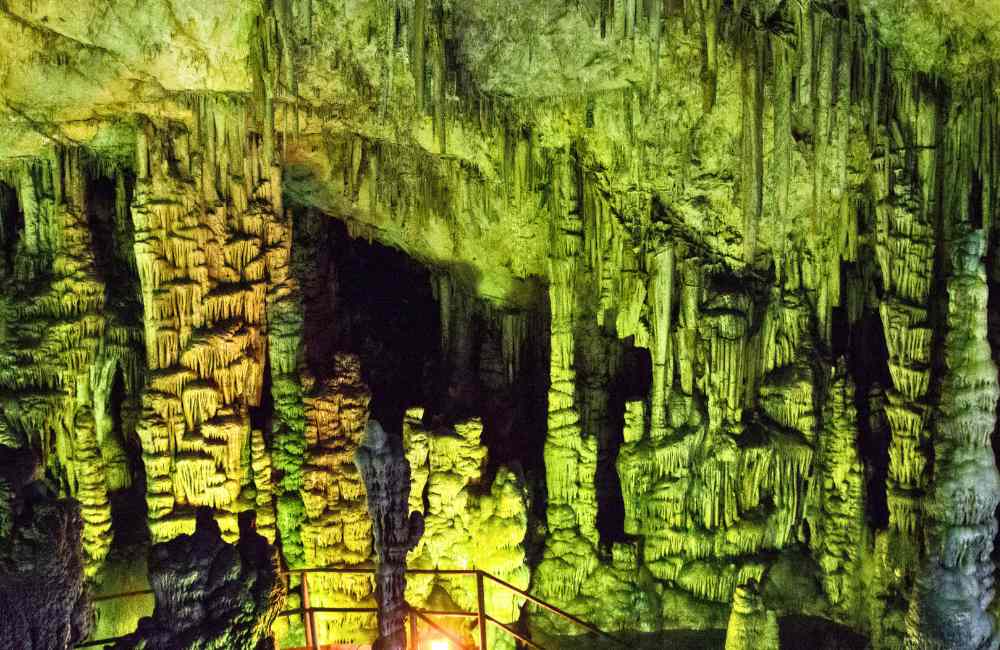
The Cave of Zeus, also called Dikteon Andron and Psychro Cave, is one of Lasithi Plateau’s highlights and makes a perfect day trip. This ancient Minoan worship site was rediscovered by locals in the late 19th century.
After a short but steep 20-minute walk up the hill, you’ll reach the cave entrance and can explore its impressive chambers. Walking inside, it’s easy to imagine the myths and rituals that once took place here.
Right across from the cave, enjoy a lunch with stunning views of the plateau and its iconic windmills—a moment to take in both history and scenery. Check this guide to Psychro Cave for visiting hours, tips, and the fascinating stories behind Crete’s legendary birthplace of Zeus.
44. Spinalonga – The Former Leper Colony
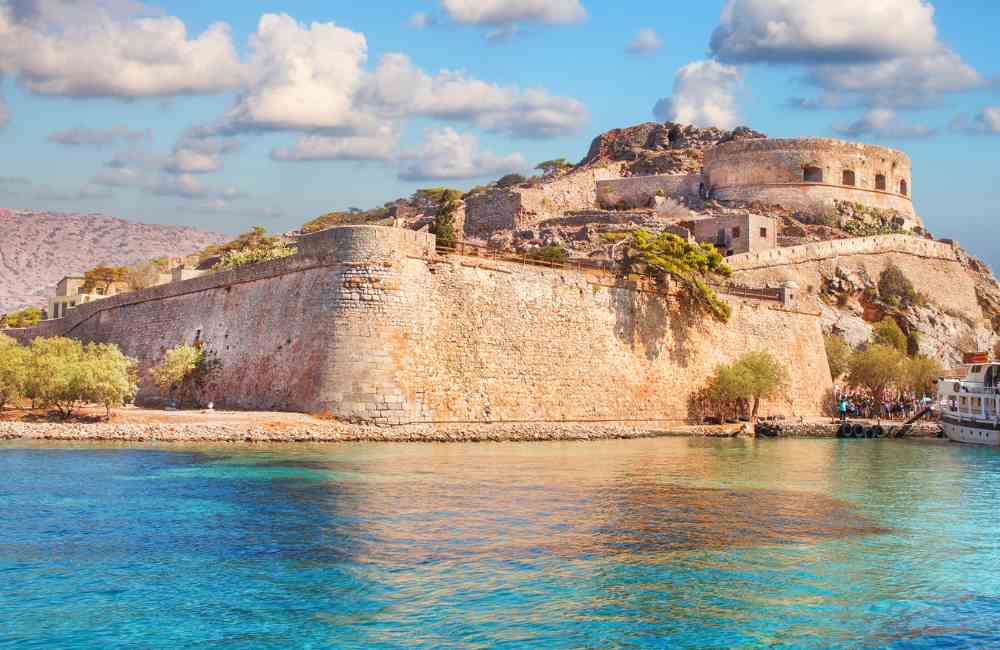
Spinalonga, a small island off Crete’s northeastern coast, is a must-visit, even on a day trip from Heraklion. Its history is both fascinating and haunting—it served as a leper colony during the 19th century.
You can reach the island by boat from Plaka, Elounda, or Agios Nikolaos, with the sail offering beautiful views of the coast. Once there, explore the Venetian fortress that once defended the island and walk through the old streets where residents lived under strict isolation.
This Spinalonga trip from Elounda offers great value for money!
Before its role as a leper colony, Spinalonga was controlled by the Venetians until the early 18th century. Today, it’s an archaeological site and part of UNESCO’s tentative World Heritage list, recognized for its unique architecture, history, and urban layout. Check this guide for tips to plan your visit.
45. Vai Beach
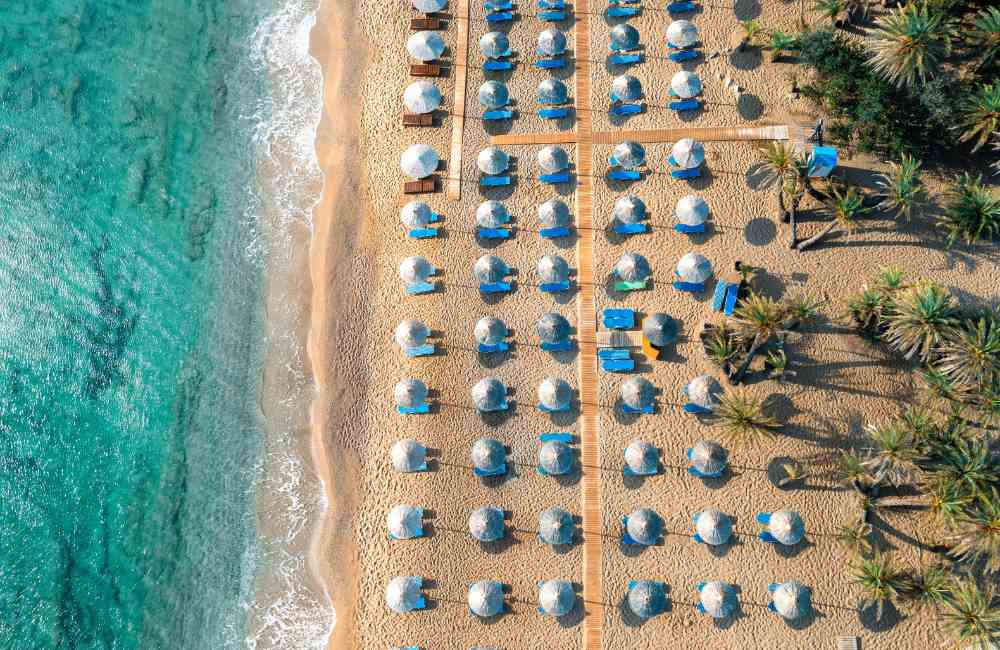
Vai Beach, on Crete’s far eastern coast, is one of the island’s most iconic beaches—and for good reason. Beyond its golden sand and calm, clear waters, the real star is the largest natural palm forest in Europe, stretching for kilometers just before the beach.
Despite its remote location near Sitia, Vai is easy to visit and well set up for a comfortable day by the sea. The combination of soft sand, turquoise water, and the shade of the palm grove makes it perfect for swimming, relaxing, or just taking in the unique scenery. A trip here feels like stepping into a tropical corner of Crete.
46. Wine Tasting at Toplou Monastery
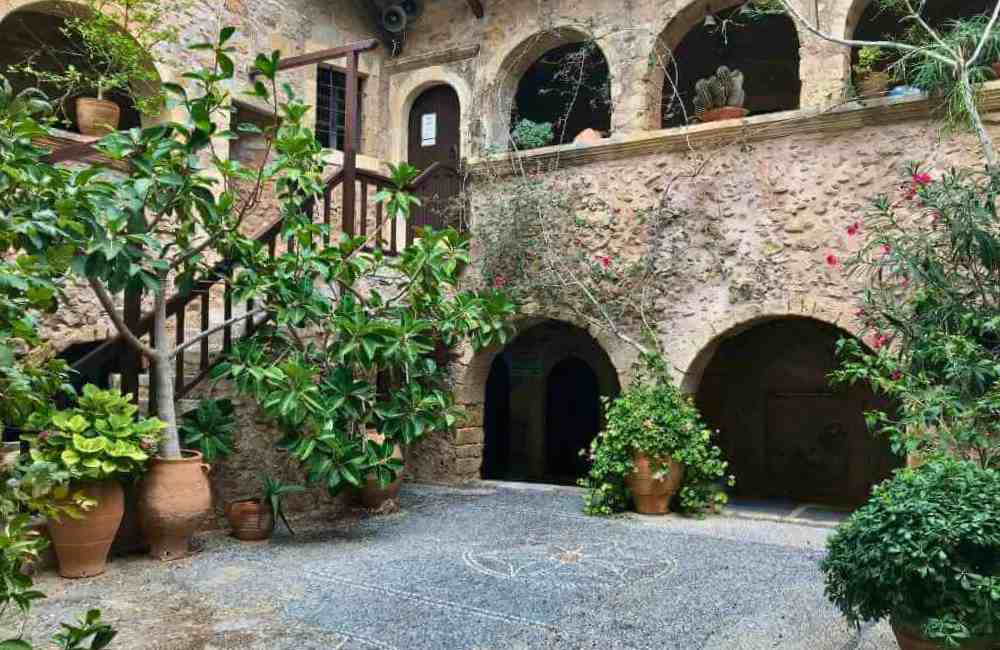
Just a short drive from Vai Beach, the Holy Monastery of Toplou is a fascinating stop in Lasithi. Built in the 15th century on the site of an older church, this fortified monastery also played a key role in Crete’s resistance during the German occupation.
Visitors can explore the on-site museum, which displays weapons, helmets, and even a hidden radio used by the resistance. After soaking up history, head to the monastery’s winery to sample Toplou’s wines, raki, and extra virgin olive oil—all made on the premises. It’s a perfect mix of history, culture, and tasting local flavors, making it one of the most rewarding stops in eastern Crete.
47. Ierapetra
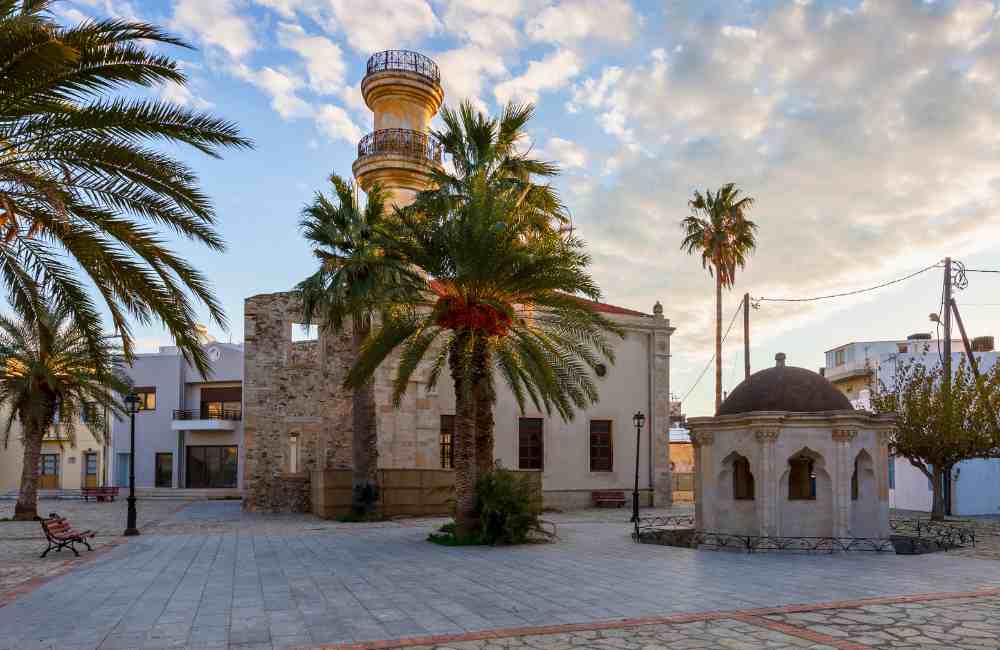
Ierapetra may not be a regional capital, but it’s Crete’s fourth largest city and the only significant town on the southern coast. It’s the perfect base for exploring remote beaches like Xerokampos, Myrtos, Makrygialos, and Agia Fotia.
The area around Ierapetra also has some beautiful gorges, many of them easy enough for a relaxed hike. In town, wander through the historic streets to discover the Venetian fortress, a former mosque with a lovely courtyard fountain, and a tiny hidden house by the port—famous for the story that Napoleon once spent the night there incognito.
Ierapetra combines history, local life, and access to Crete’s quieter southern coast, making it a great spot for off-the-beaten-path adventures.
48. Chrissi Island
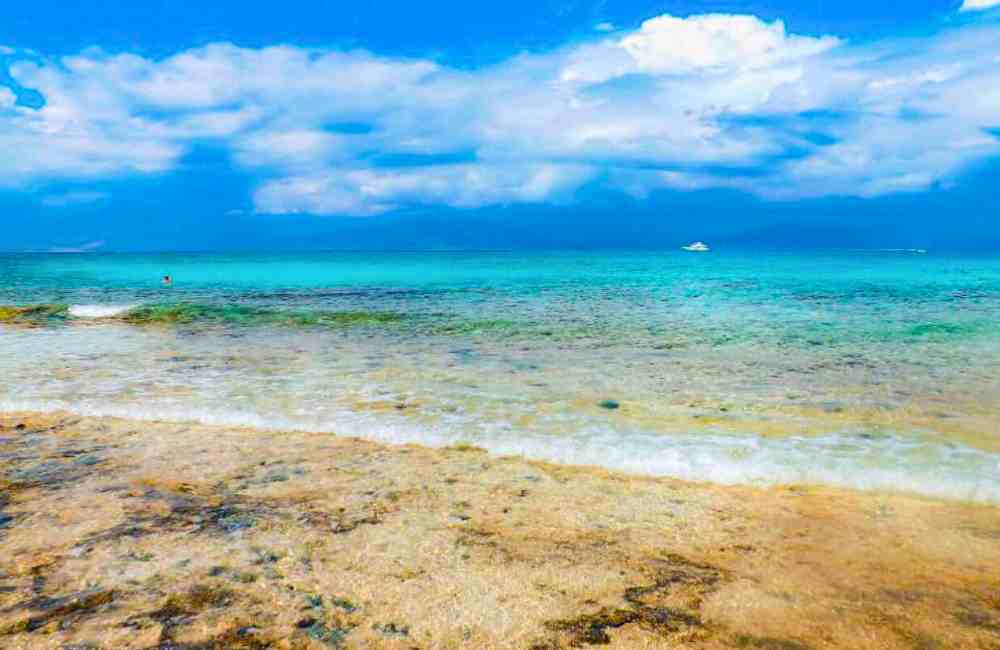
Chrissi, also called Gaiudouronisi, is a tiny, uninhabited island off Crete’s southern coast, about an hour by boat from Ierapetra (or Makrygialos). It’s a protected nature reserve, so no overnight stays are allowed, but a day trip here is pure magic.
The island stretches roughly 7 km and is only 2 km wide, offering crystal-clear waters, quiet coves, and a main beach with umbrellas, sunbeds, and a small beach bar. Walk from the harbor on the south side to the northern shores to see the best spots.
Chrissi’s juniper forests, golden sand, and turquoise sea make it an unforgettable destination for nature lovers and anyone looking to escape the crowds.
49. Elounda and Olous
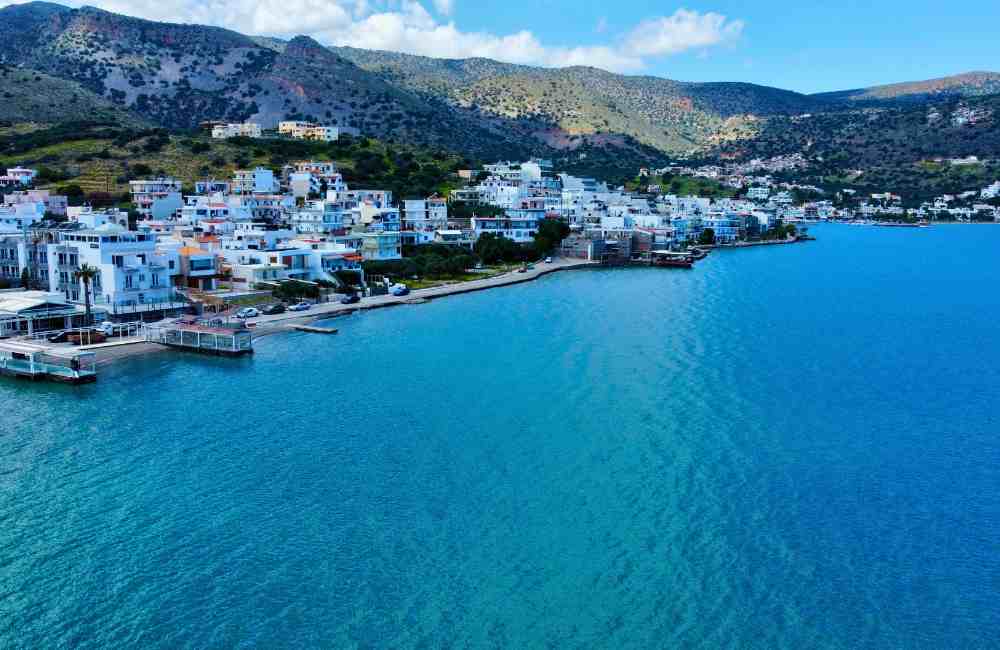
Elounda is the most famous resort in Lasithi, sitting on the Mirabello Gulf just across from the island of Spinalonga. The village is calm and charming, with a small, tranquil beach where the water is so smooth it feels more like a lake than the sea.
Nearby Plaka is a quiet fishing village worth a stroll, while Elounda itself is known for its high-end resorts—some of the priciest in Greece—often with private beach access straight from your room. Don’t miss the chance to see Olous, the sunken Minoan settlement right off the coast. On clear days, its ruins are visible beneath the water, adding a fascinating glimpse into Crete’s ancient past.
50. Xerokampos Beach
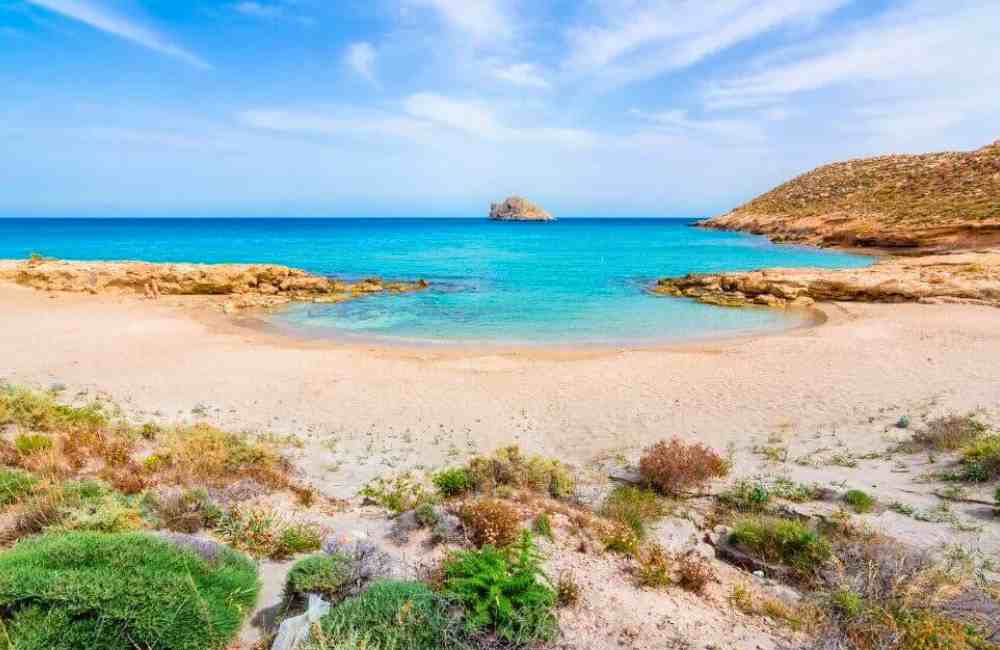
Xerokampos is one of Crete’s most remote and untouched corners. The area offers a string of mostly deserted beaches with crystal-clear waters and a mix of sand, pebbles, and rocky shores.
Getting there takes time—roads were rough until recently, it’s far from airports, and accommodation is limited—but the few tavernas serve excellent local food. For those seeking solitude and nature, Xerokampos is one of the best spots in East and South Crete.
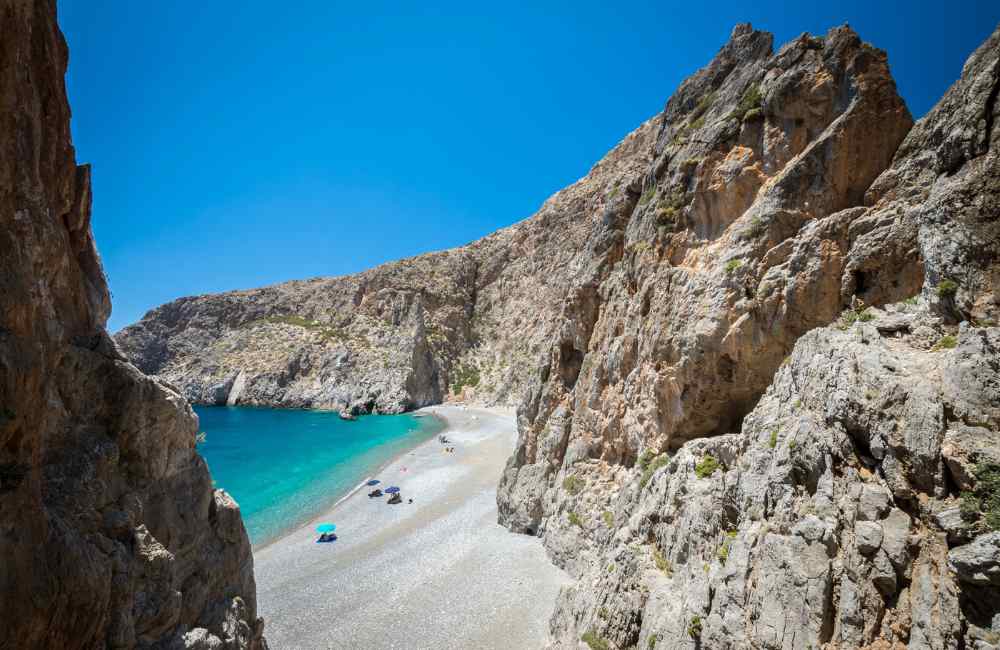
If you reached the end of this article, you have noticed already that Crete is an island full of surprises. Experiencing it through the eyes of someone who lives here gives you the chance to see its heart, explore beyond the tourist trail. Come and visit, you will truly fall in love with the island!

Are you visiting Crete Soon?
Join my Facebook group for more tips, or plan your Crete itinerary with me!
Pin for Later!
Things to Do in Crete According to a Local!


Gabi, the Crete Insider
Hi, I’m Gabi — your go-to local expert in Crete! I’ve been living in Chania, Crete since 2016, and I’ve turned my love for the island into a full-time passion — guiding travelers, writing for travel media, and curating local experiences.
I co-authored DK Eyewitness Top 10 Crete and other guides. I run the blogs The Tiny Book, Greece Planner, and My Cretan Recipe. Through this platform I help travelers design unforgettable trips to Crete.
→ Book your 1:1 consultation with a local to plan your Crete escape
🚘 Trusted Car Rental in Crete
CAR RENTAL IN CRETE ~ Enjoy peace of mind by hiring a car from a local company. Rethymnon Cars offers excellent cars, full insurance with no excess, no credit card deposit, and no extras.


